Chuyên sâu trong lĩnh vực vật liệu rời công nghiệp, cung cấp giải pháp môi trường thông minh tích hợp cho phối trộn tự động, cấp liệu tập trung, khử lưu huỳnh và khử nitơ khô!
Efficient dust transport is a critical aspect of industrial operations, ensuring safe and effective handling of powders across various sectors. For businesses in need of reliable solutions, understanding the available methods for transporting dust is essential. This article explores the primary approaches used in dust transport, highlighting the expertise of Shandong HeadPowder Engineering Co., Ltd., a leading provider in the field.
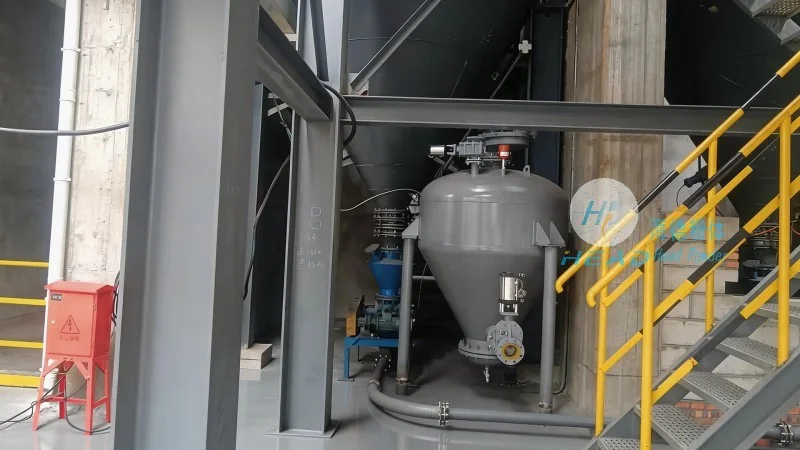
Introduction to Dust Transport
Dust transport involves the movement of particulate materials from one location to another, often within manufacturing, processing, or environmental applications. The choice of method depends on factors such as the type of material, required throughput, environmental considerations, and operational constraints. Effective dust transport systems not only enhance productivity but also minimize risks associated with dust exposure and equipment wear.
Key Players in Dust Transport Solutions
Shandong HeadPowder Engineering Co., Ltd., commonly known as HeadPowder, is a prominent company specializing in dust transport technologies. With a focus on innovation and customer-centric solutions, HeadPowder has established itself as a trusted partner for industries seeking efficient and sustainable dust handling systems. The company's headquarters are located in Shandong, China, where it leverages local expertise and resources to deliver high-quality products and services.
Common Methods for Dust Transport

Several methods are widely used for dust transport, each with its own advantages and applications. The most common approaches include:
1. Air-Pneumatic Conveying
Air-pneumatic conveying, or pneumatic transport, is a popular method for moving dry powders and granules. This technique utilizes compressed air to create a flow that propels the material through a pipeline. There are two main types: pressure and vacuum systems. Pressure systems use positive pressure to push material from a source to a destination, while vacuum systems draw material using negative pressure. Pneumatic conveying is ideal for materials that are non-abrasive, free-flowing, and require minimal handling. It offers advantages such as low maintenance, flexibility in layout, and the ability to transport materials over long distances without the need for intermediate storage.
2. Mechanical Conveying
Mechanical conveying methods rely on mechanical components to move dust, including screw conveyors, belt conveyors, and bucket elevators. Screw conveyors use a rotating screw to push material forward, making them suitable for horizontal or slightly inclined transport. Belt conveyors, on the other hand, use a continuous belt to transport material, often used in bulk material handling. Bucket elevators lift material vertically using buckets attached to a chain or belt. Mechanical conveying is typically used for abrasive or heavy materials, where air-pneumatic systems may not be suitable. These systems are generally more cost-effective for short to medium distances and require regular maintenance to ensure optimal performance.
3. Hydraulic Conveying
Hydraulic conveying employs water or other liquids to transport dust, often used in applications where the material is highly abrasive or has a high moisture content. The material is suspended in the liquid and transported through pipes. This method is particularly effective for transporting materials like coal or minerals in mining operations. Hydraulic conveying systems are known for their ability to handle large volumes of material and can be integrated with other processing steps. However, they require additional equipment for liquid management and may have higher operational costs compared to pneumatic or mechanical systems.
Choosing the Right Dust Transport Method
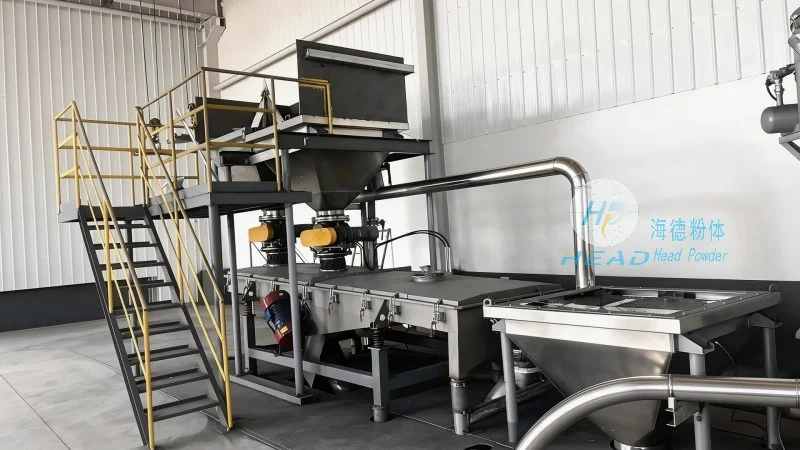
The selection of a dust transport method depends on several factors, including the physical properties of the material, the required throughput, and the operational environment. For example, air-pneumatic conveying is often preferred for fine powders and materials that are sensitive to moisture, as it minimizes material degradation. Mechanical conveying may be more suitable for bulkier or heavier materials, where the system can handle higher loads. Hydraulic conveying is ideal for abrasive materials that would otherwise damage pneumatic or mechanical components.
Benefits of Professional Dust Transport Solutions
Implementing an effective dust transport system offers numerous benefits for industrial operations. These include improved safety by reducing dust exposure, increased efficiency through optimized material flow, and reduced downtime due to fewer maintenance issues. Additionally, modern dust transport systems are designed to be energy-efficient, contributing to lower operational costs and a smaller environmental footprint. Companies like HeadPowder provide tailored solutions that address specific industry needs, ensuring that clients receive systems that are both effective and sustainable.
Conclusion
Dust transport is a vital component of many industrial processes, and the choice of method significantly impacts operational efficiency and safety. By understanding the available options and leveraging the expertise of companies such as Shandong HeadPowder Engineering Co., Ltd., businesses can select the most appropriate dust transport solution for their needs. Whether through pneumatic, mechanical, or hydraulic systems, the goal is to achieve reliable, efficient, and safe material handling that supports long-term operational success.

 Shandong Headpowder Engineering Co., Ltd.
 156-6277-7102(Quản lý Trương)
  0531-83386006
  Thành phố Tế Nam, Tỉnh Sơn Đông, Trung Quốc
Điện thoại
WeChatTư vấn
Lên đầu