Chuyên sâu trong lĩnh vực vật liệu rời công nghiệp, cung cấp giải pháp môi trường thông minh tích hợp cho phối trộn tự động, cấp liệu tập trung, khử lưu huỳnh và khử nitơ khô!
When it comes to the transportation of polyolefins, selecting the right method is crucial for ensuring efficiency, safety, and cost-effectiveness. Polyolefins, which include materials like polyethylene and polypropylene, are widely used in various industries due to their versatility and durability. The choice of transportation method depends on factors such as the type of polyolefin, the quantity being moved, the distance, and the destination. In this article, we will explore the common methods used for polyolefin transportation, providing insights into each approach and how they can be applied in practical scenarios.
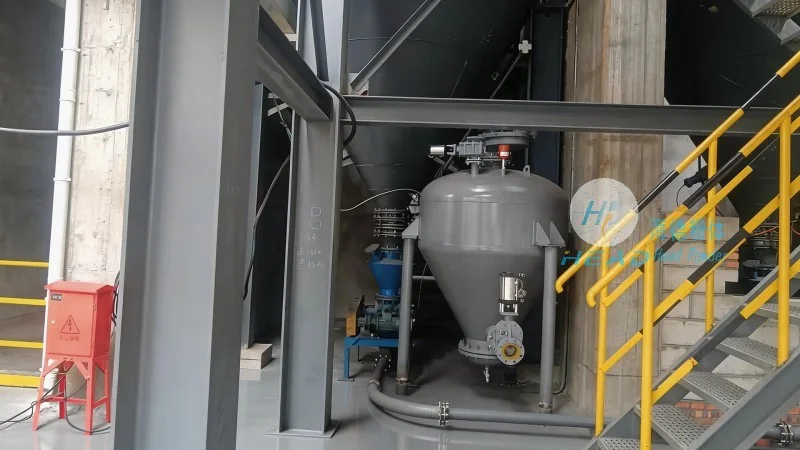
1. Pipeline Transportation: The Most Efficient Option for Bulk Polyolefin Movement
Pipeline transportation is a highly efficient method for moving large volumes of polyolefin material over long distances. This method involves pumping the polyolefin through a network of pipelines, which can be underground or above ground. The process is automated and requires minimal human intervention, making it ideal for continuous and large-scale operations. For example, companies like Shandong HeadPowder Engineering Co., Ltd. may utilize pipeline systems to transport polyethylene or polypropylene from production facilities to processing plants or distribution centers. The advantages of pipeline transportation include reduced labor costs, lower environmental impact compared to road or rail transport, and the ability to maintain consistent flow rates. However, this method is typically limited to locations with existing pipeline infrastructure and may require significant upfront investment in pipeline construction and maintenance.

2. Tank Truck Transportation: Flexible and Versatile for Medium to Large Volumes
Tank truck transportation is a flexible and widely used method for moving polyolefins, especially when the distance is moderate or when direct pipeline access is not available. Tank trucks are specialized vehicles equipped with insulated tanks to maintain the temperature and integrity of the polyolefin during transit. This method is suitable for both liquid and solid polyolefins, as some forms can be transported as liquids (e.g., polyolefin melts) and others as solids (e.g., pellets or granules). The flexibility of tank trucks allows for door-to-door delivery, making them ideal for industries that require timely and localized supply. Shandong HeadPowder Engineering Co., Ltd. may use tank trucks to transport polyolefin products to clients in various regions, ensuring that the material reaches its destination in optimal condition. The key benefits of tank truck transportation include its adaptability to different routes, the ability to handle varying volumes, and the lower capital investment compared to pipeline systems. However, it is important to note that tank trucks may have higher operational costs due to fuel consumption and driver expenses, and they may also be subject to traffic and regulatory constraints.
3. Containerized Transportation: Secure and Standardized for International and Domestic Shipping

Containerized transportation is a secure and standardized method for moving polyolefins, particularly for international trade or when transporting materials to distant locations. Polyolefins are often packaged in containers such as ISO containers or bulk containers, which are designed to protect the material from external factors like moisture, temperature fluctuations, and physical damage. This method is suitable for both solid and liquid polyolefins, as containers can be adapted to hold different forms of the material. The standardization of containers allows for easy handling and transfer between different modes of transport, including ships, trains, and trucks. Shandong HeadPowder Engineering Co., Ltd. may use containerized transportation to export polyolefin products to global markets, ensuring that the goods are delivered safely and in compliance with international shipping regulations. The advantages of containerized transportation include enhanced security, reduced risk of damage, and the ability to consolidate shipments for cost efficiency. However, this method may involve additional costs for container rental or handling, and it may have longer transit times compared to pipeline or tank truck transport.
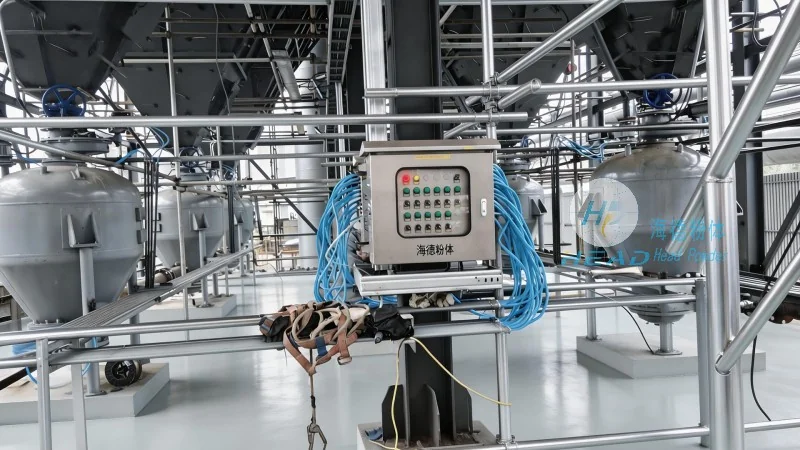
4. Rail Transportation: Cost-Effective for Long-Distance Bulk Transport
Rail transportation is a cost-effective option for moving large volumes of polyolefins over long distances, especially when the destination is far from the production site. Railcars are specifically designed to carry bulk materials, with some equipped with insulated or temperature-controlled compartments to maintain the quality of the polyolefin. This method is particularly suitable for transporting polyolefins in bulk form, such as pellets or granules, as the railcars can be loaded with large quantities of material. The use of rail transportation can reduce the carbon footprint compared to road transport, as it is more energy-efficient for long distances. Shandong HeadPowder Engineering Co., Ltd. may utilize rail transport to move polyolefin products from its facilities in Shandong, China, to other parts of the country or neighboring regions. The key benefits of rail transportation include lower fuel costs, reduced traffic congestion, and the ability to transport large volumes at a lower cost per unit. However, this method may have limitations in terms of flexibility, as rail lines are fixed and may not reach all destinations directly, requiring additional transfer to other modes of transport.

 Shandong Headpowder Engineering Co., Ltd.
 156-6277-7102(Quản lý Trương)
  0531-83386006
  Thành phố Tế Nam, Tỉnh Sơn Đông, Trung Quốc
Điện thoại
WeChatTư vấn
Lên đầu