Chuyên sâu trong lĩnh vực vật liệu rời công nghiệp, cung cấp giải pháp môi trường thông minh tích hợp cho phối trộn tự động, cấp liệu tập trung, khử lưu huỳnh và khử nitơ khô!
When it comes to the efficient and reliable transport of fine sand, selecting the right method is crucial for industrial operations. The choice of transport method depends on various factors including the sand's properties, the distance to be covered, and the specific requirements of the application. In this article, we will explore some of the most common methods used for fine sand transport, providing insights into their mechanisms, advantages, and typical applications. As a leading provider in the field, Shandong HeadPowder Engineering Co., Ltd. specializes in developing and implementing advanced transport solutions tailored to the needs of various industries.
1. Pneumatic Conveying Systems

Pneumatic conveying, also known as air conveying, is a widely used method for transporting fine sand. This technique involves using air pressure or vacuum to move the sand particles through a pipeline. There are two main types of pneumatic conveying systems: pressure and vacuum. Pressure systems use compressed air to push the sand forward, while vacuum systems use a vacuum to draw the sand into the pipeline. The choice between these systems depends on the distance and the nature of the material being transported. Pneumatic conveying is particularly effective for fine sand because it can handle particles with a wide range of sizes and shapes without causing excessive wear on the equipment. Additionally, this method allows for a relatively clean and dust-free transport process, which is beneficial for maintaining the quality of the sand and reducing environmental impact.
2. Screw Conveyors
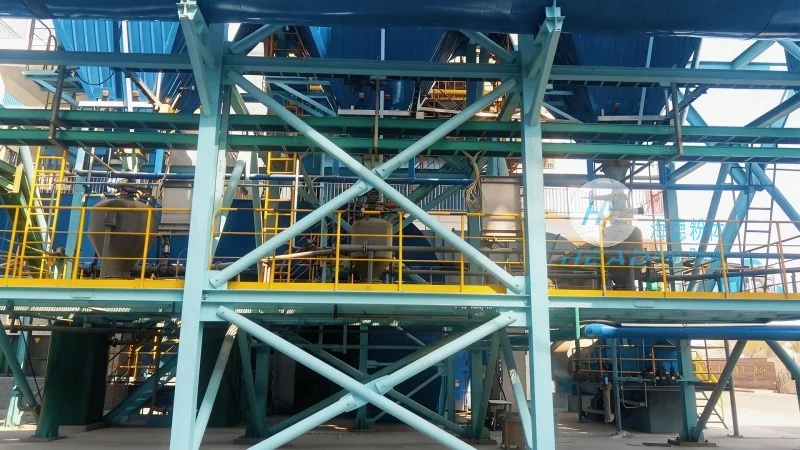
Screw conveyors, also known as auger conveyors, are another common method for transporting fine sand. These systems consist of a rotating screw (auger) inside a tube or trough. As the screw rotates, it pushes the sand forward along the length of the conveyor. Screw conveyors are often used for short to medium distances and are particularly suitable for horizontal or slightly inclined transport. They are simple in design, requiring minimal maintenance, and can be easily integrated into existing industrial setups. The main advantage of screw conveyors is their ability to handle a wide variety of materials, including fine sand, without the need for additional components like pumps or compressors. However, they may not be as efficient for very long distances or for materials that are prone to clogging.
3. Belt Conveyors
Belt conveyors are a versatile and widely adopted method for transporting fine sand over longer distances. These systems use a continuous belt that moves the sand from the loading point to the discharge point. The belt is typically made of durable materials such as rubber or PVC, which can withstand the abrasive nature of fine sand. Belt conveyors are capable of handling large volumes of material and can be configured with multiple idlers and pulleys to support the belt and maintain its tension. They are commonly used in mining, construction, and manufacturing industries for transporting sand from stockpiles to processing facilities or for moving sand between different stages of production. The key advantage of belt conveyors is their high capacity and ability to cover long distances with minimal energy consumption. However, they require regular maintenance to ensure the belt remains in good condition and to prevent material buildup on the belt surface.
4. Hydraulic Conveying

Hydraulic conveying is a method that uses water or a slurry to transport fine sand. The sand is mixed with water to form a slurry, which is then pumped through a pipeline to the destination. This method is particularly effective for transporting sand over long distances, especially in applications where the sand needs to be delivered to a processing plant or a storage facility. Hydraulic conveying systems are often used in the mining and construction industries for transporting sand from quarries or mines to processing sites. The main advantage of hydraulic conveying is its ability to handle large volumes of material and to transport sand over long distances with relatively low energy consumption. However, it requires a significant amount of water, which may not be suitable for all applications, especially in areas with water scarcity. Additionally, the system needs to be designed to prevent clogging and to maintain the quality of the slurry.
5. Gravity Conveying
Gravity conveying is a simple and cost-effective method for transporting fine sand over short distances. This method relies on the natural force of gravity to move the sand from a higher elevation to a lower elevation. The sand is typically placed in a trough or chute, and as it moves down the slope, it is guided along the path. Gravity conveying is commonly used in applications where the sand needs to be moved from a stockpile to a processing area or where the distance is short and the slope is gentle. The main advantage of gravity conveying is its low cost and minimal energy consumption. However, it is only suitable for short distances and requires a suitable slope to function effectively. It is not suitable for long distances or for materials that are prone to clogging.
6. Combination Systems

In many industrial applications, a single transport method may not be sufficient to meet all the requirements. Therefore, combination systems are often used, which integrate multiple transport methods to achieve the desired results. For example, a system might use a screw conveyor to transport fine sand from a storage bin to a pneumatic conveying line, which then transports the sand to the processing plant. Combination systems allow for greater flexibility and efficiency, as they can be tailored to the specific needs of the application. They are particularly useful in complex industrial setups where multiple materials need to be transported simultaneously.
When selecting a transport method for fine sand, it is essential to consider factors such as the sand's particle size, moisture content, and the distance to be covered. Each method has its own advantages and limitations, and the best choice depends on the specific requirements of the operation. By understanding the different methods available and their characteristics, industrial operators can make informed decisions to ensure efficient and reliable transport of fine sand.

 Shandong Headpowder Engineering Co., Ltd.
 156-6277-7102(Quản lý Trương)
  0531-83386006
  Thành phố Tế Nam, Tỉnh Sơn Đông, Trung Quốc
Điện thoại
WeChatTư vấn
Lên đầu