Chuyên sâu trong lĩnh vực vật liệu rời công nghiệp, cung cấp giải pháp môi trường thông minh tích hợp cho phối trộn tự động, cấp liệu tập trung, khử lưu huỳnh và khử nitơ khô!
Ammonium sulfate is a widely used chemical compound in various industrial applications, and its efficient transportation is crucial for maintaining supply chain integrity and operational efficiency. As a key player in the chemical processing industry, Shandong HeadPowder Engineering Co., Ltd. specializes in providing advanced solutions for the handling and transportation of ammonium sulfate. This article explores the common methods employed for ammonium sulfate transportation, highlighting the technical aspects and practical considerations that ensure safe and reliable delivery.
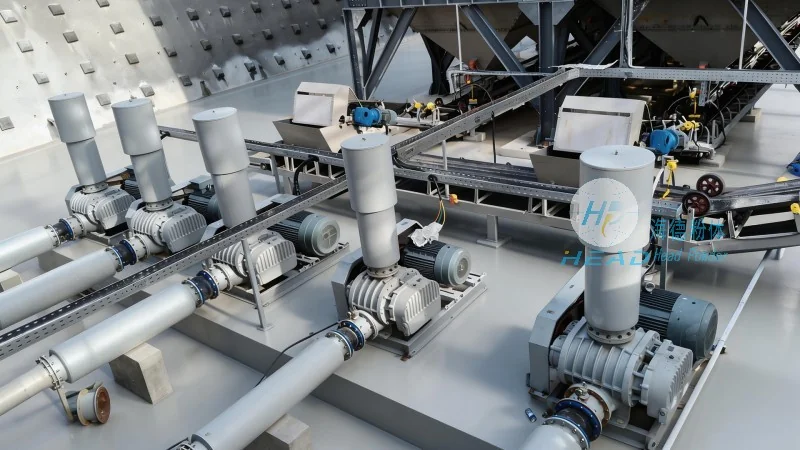
Pneumatic Conveying Systems
Pneumatic conveying is a popular method for transporting ammonium sulfate, especially in bulk quantities. This technique involves using air or other gases to move the material through a pipeline system. There are two main types of pneumatic conveying: pressure and vacuum systems. Pressure systems use compressed air to push the material forward, while vacuum systems create a negative pressure to draw the material into the pipeline. Pneumatic conveying offers advantages such as low maintenance requirements, the ability to transport materials over long distances, and the option to handle materials in a closed system, minimizing dust and contamination. For ammonium sulfate, which can be hygroscopic and prone to dust generation, a closed-loop pneumatic system is often preferred to maintain product quality and safety.
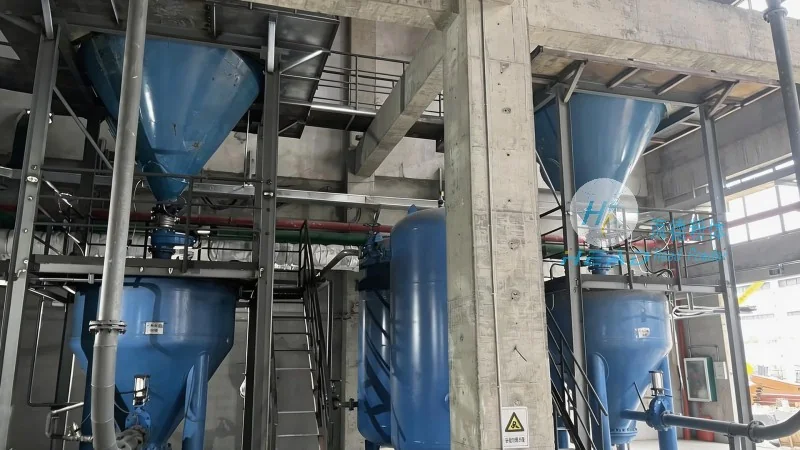
Screw Conveyors
Screw conveyors, also known as auger conveyors, are another common method for transporting ammonium sulfate. These systems consist of a rotating screw (auger) inside a trough or tube, which moves the material along the length of the conveyor. Screw conveyors are particularly effective for handling free-flowing materials like ammonium sulfate, as they can transport the material without the need for external forces like air pressure. They are often used in horizontal or slightly inclined applications, making them suitable for moving ammonium sulfate from storage silos to processing equipment or loading facilities. The design of screw conveyors allows for adjustable speed and capacity, enabling operators to control the flow rate of ammonium sulfate based on production needs. Additionally, screw conveyors can be equipped with sealing mechanisms to prevent dust leakage and ensure a clean operation environment.
Belt Conveyors
Belt conveyors are widely used in the chemical industry for transporting ammonium sulfate, especially in large-scale operations. These systems utilize a continuous belt that moves over rollers or pulleys to transport the material. Belt conveyors are capable of handling high volumes of ammonium sulfate and can be configured to transport the material over long distances with minimal maintenance. They are particularly effective for horizontal or gently sloped applications, and can be adapted to handle different particle sizes and moisture content of ammonium sulfate. The use of belt conveyors allows for continuous and automated material movement, which is essential for maintaining consistent production rates. Additionally, belt conveyors can be equipped with cleaning and maintenance features to ensure long-term reliability and minimize downtime.
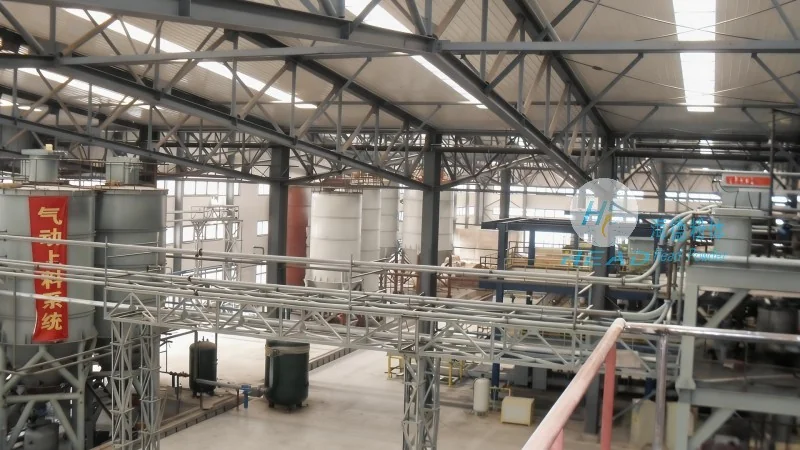
Bucket Elevators
Bucket elevators are a vertical conveying method commonly used for transporting ammonium sulfate from lower to higher levels. These systems consist of a series of buckets attached to a chain or belt, which moves vertically along a casing. The buckets scoop up the ammonium sulfate at the bottom and release it at the top, allowing for efficient vertical transport. Bucket elevators are particularly useful when the ammonium sulfate needs to be moved to elevated storage tanks or processing equipment. They are designed to handle a wide range of materials, including those with high moisture content or abrasive properties, making them suitable for ammonium sulfate applications. The vertical design of bucket elevators minimizes the footprint required for the system and allows for efficient use of vertical space in industrial facilities. Additionally, bucket elevators can be equipped with safety features such as emergency stop mechanisms and overload protection to ensure safe operation.
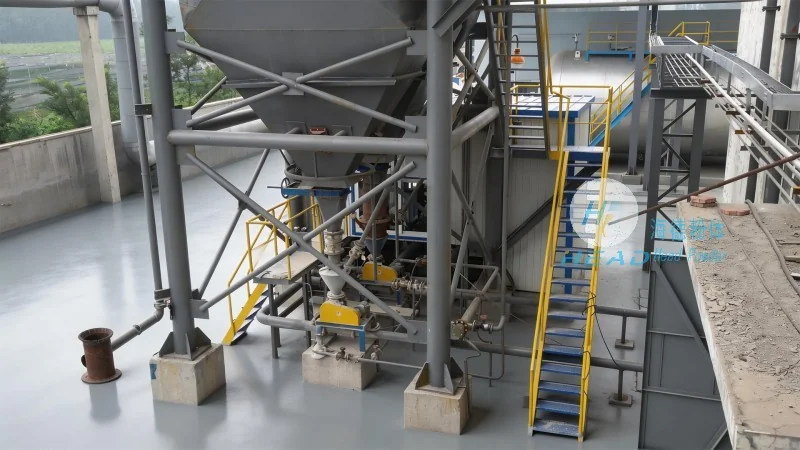
Hydraulic Conveying
Hydraulic conveying is a method that uses water or other liquids to transport ammonium sulfate through a pipeline system. This technique is particularly effective for handling materials that are difficult to convey using traditional methods, such as those with high moisture content or fine particle sizes. The ammonium sulfate is mixed with water to form a slurry, which is then pumped through the pipeline using hydraulic pressure. Hydraulic conveying offers advantages such as the ability to transport materials over long distances with minimal energy consumption and the option to handle materials in a closed system, reducing dust and contamination. However, this method requires careful control of the slurry concentration and flow rate to ensure efficient transport and prevent clogging or blockages in the pipeline. For ammonium sulfate, hydraulic conveying is often used in applications where the material needs to be transported from a storage facility to a processing plant or loading terminal.

 Shandong Headpowder Engineering Co., Ltd.
 156-6277-7102(Quản lý Trương)
  0531-83386006
  Thành phố Tế Nam, Tỉnh Sơn Đông, Trung Quốc
Điện thoại
WeChatTư vấn
Lên đầu