Chuyên sâu trong lĩnh vực vật liệu rời công nghiệp, cung cấp giải pháp môi trường thông minh tích hợp cho phối trộn tự động, cấp liệu tập trung, khử lưu huỳnh và khử nitơ khô!
When it comes to the efficient handling and transportation of synthetic fibers, selecting the right conveying method is crucial for optimizing production processes and ensuring product quality. Synthetic fibers, such as polyester, nylon, and acrylic, are widely used in textiles, automotive, and industrial applications, making reliable conveying systems essential for manufacturers. This article explores the common methods used for synthetic fiber conveying, highlighting the key considerations and benefits of each approach.
Key Factors Influencing Synthetic Fiber Conveying Choices
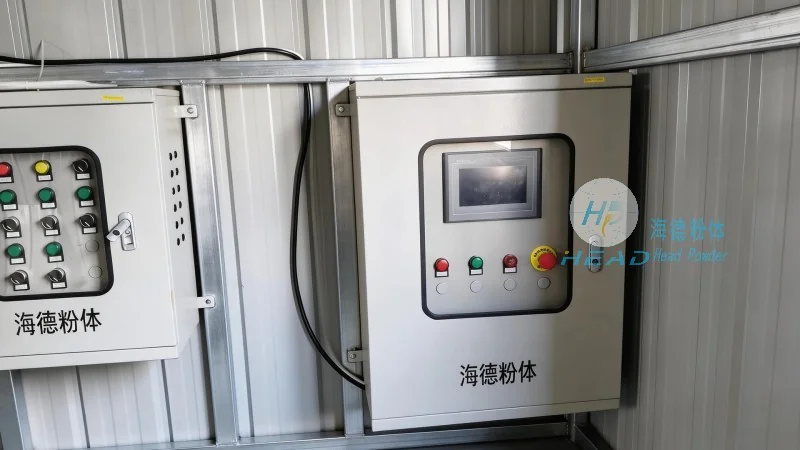
Before delving into specific conveying methods, it's important to understand the factors that influence the selection process. The type of synthetic fiber (e.g., short or long fibers, fine or coarse), the required conveying capacity, the environment (indoor or outdoor), and the overall production line layout all play significant roles. Additionally, factors like cost, maintenance requirements, and the need for dust control or environmental compliance must be considered. These elements help determine whether a particular conveying method is suitable for a given application.
1. Belt Conveyors for Synthetic Fiber Handling

Belt conveyors are one of the most common and versatile methods for synthetic fiber conveying. They consist of a continuous loop of material (often rubber or PVC) that moves over rollers or a flat surface, transporting the fibers from one point to another. This method is particularly effective for handling loose or bulk synthetic fibers, as the belt can be designed to accommodate various fiber types and sizes. Belt conveyors offer several advantages, including high capacity, low maintenance, and the ability to handle a wide range of fiber loads. They are also suitable for both horizontal and inclined conveying, making them adaptable to different production line configurations. For instance, in textile manufacturing, belt conveyors are often used to transport raw fibers to spinning machines or to move finished products through quality control stages. The smooth operation of belt conveyors ensures minimal fiber breakage and maintains the integrity of the material, which is critical for maintaining product quality.
2. Screw Conveyors for Synthetic Fiber Transport
Screw conveyors, also known as auger conveyors, are another popular choice for synthetic fiber conveying. These systems use a rotating screw (auger) inside a cylindrical housing to move fibers forward. The screw's rotation creates a pushing action, which propels the fibers along the conveyor. Screw conveyors are ideal for handling dry, free-flowing synthetic fibers and are commonly used in applications where vertical or inclined transport is required. They are particularly effective for conveying fine fibers or powders, as the screw design can prevent material buildup and ensure consistent flow. One of the key benefits of screw conveyors is their compact design, which allows for integration into existing production lines without significant space constraints. Additionally, screw conveyors are relatively low-cost and easy to maintain, making them a cost-effective solution for many manufacturers. However, they may not be suitable for very fine or abrasive fibers, as the screw and housing can experience wear over time. Proper material selection for the screw and housing is essential to ensure longevity and efficient operation.

3. Pneumatic Conveying Systems for Synthetic Fiber Handling
Pneumatic conveying systems use air or other gases to transport synthetic fibers through a network of pipes or ducts. This method is particularly useful for handling fine or dusty fibers, as it can minimize dust exposure and maintain a clean working environment. Pneumatic systems can be categorized into two main types: pressure and vacuum. Pressure systems use compressed air to push the fibers forward, while vacuum systems use suction to draw the fibers into the system. Both types offer advantages for synthetic fiber conveying, depending on the specific application. Pneumatic conveying is highly effective for long-distance transport and can handle fibers with varying moisture content. It is commonly used in industries such as automotive and aerospace, where precise control over fiber distribution is critical. One of the main benefits of pneumatic systems is their ability to transport fibers in a closed system, which reduces dust emissions and improves safety. However, pneumatic conveying can be more complex to install and maintain compared to other methods, as it requires proper air filtration and pressure regulation. Additionally, the cost of compressed air and the potential for fiber degradation due to friction must be considered.
4. Bucket Elevators for Vertical Synthetic Fiber Conveying
For applications requiring vertical transport of synthetic fibers, bucket elevators are a reliable choice. These systems consist of a vertical or inclined conveyor with a series of buckets attached to a chain or belt. As the conveyor rotates, the buckets scoop up the fibers and lift them to the desired height, then discharge them at the top. Bucket elevators are particularly effective for handling bulk synthetic fibers and are commonly used in applications where vertical movement is necessary, such as in textile mills or chemical plants. One of the key advantages of bucket elevators is their high capacity and ability to handle large volumes of material. They are also relatively low maintenance, as the buckets and chain are designed to withstand heavy loads. However, bucket elevators require more space than other conveying methods and may not be suitable for very fine or delicate fibers, as the buckets can cause some breakage. Proper bucket design and material selection are essential to minimize fiber damage and ensure efficient operation.

 Shandong Headpowder Engineering Co., Ltd.
 156-6277-7102(Quản lý Trương)
  0531-83386006
  Thành phố Tế Nam, Tỉnh Sơn Đông, Trung Quốc
Điện thoại
WeChatTư vấn
Lên đầu