

Common Wheat Conveying Methods
HeadPowder Engineering Co., Ltd., a leading manufacturer based in Shandong, China, specializes in providing efficient solutions for wheat conveying. With years of experience in the industry, the company has developed a range of advanced equipment tailored to meet the diverse needs of agricultural and food processing operations. This article explores the common methods used for wheat conveying, highlighting the key technologies and equipment that ensure optimal performance and reliability.
Overview of Wheat Conveying Methods
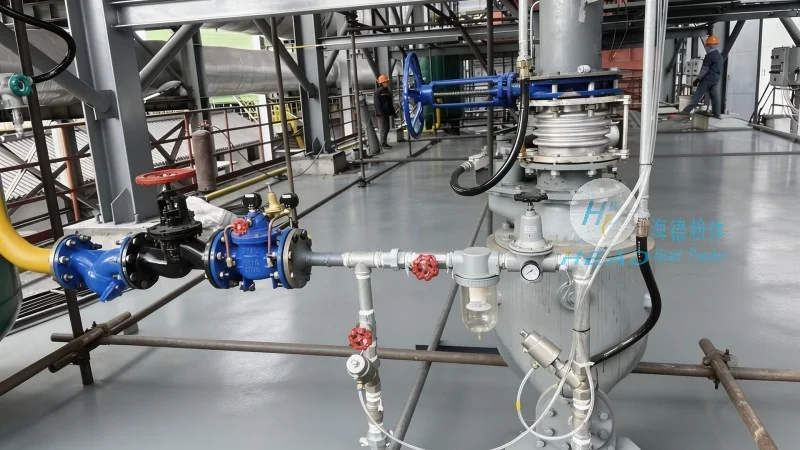
Wheat conveying is a critical process in agricultural and industrial settings, involving the movement of wheat from storage facilities to processing units or distribution centers. The efficiency of this process directly impacts productivity and operational costs. There are several common methods employed for wheat conveying, each with its own advantages and applications. Understanding these methods helps in selecting the most suitable equipment for specific operational requirements.
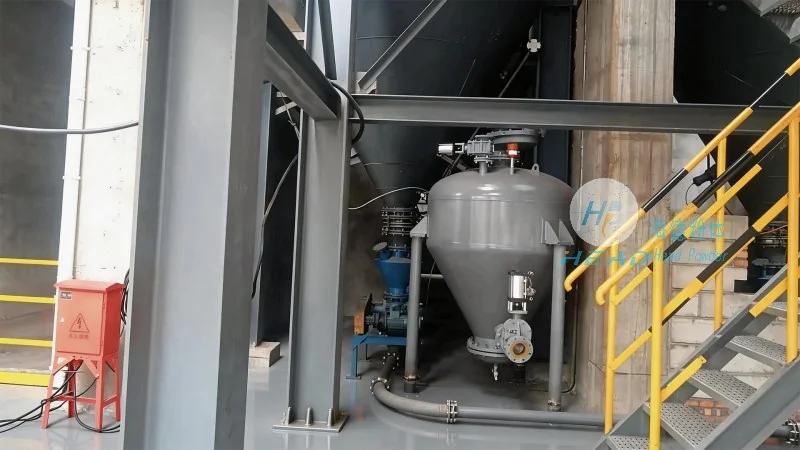
1. Gravity Conveying Systems
Gravity conveying systems utilize the natural force of gravity to move wheat along inclined chutes or troughs. This method is simple, cost-effective, and requires minimal energy input. The wheat is typically stored in a hopper or silo and flows down the inclined surface due to gravity. The design of the chute, including its angle and material, is crucial for maintaining the flow rate and preventing blockages. Gravity conveyors are ideal for short-distance transport and are commonly used in on-farm storage and small-scale processing facilities.
2. Mechanical Conveying Equipment
Mechanical conveying systems rely on mechanical power to move wheat. These systems are highly versatile and can handle various capacities and distances. The primary types of mechanical conveyors used for wheat include belt conveyors, screw conveyors, and bucket elevators. Belt conveyors use a continuous belt to transport wheat horizontally or at a slight incline, making them suitable for long-distance and high-volume transport. Screw conveyors, also known as augers, use a rotating screw to push wheat forward through a cylindrical tube. They are compact and effective for vertical or horizontal transport, often used in processing plants for feeding and batching. Bucket elevators, or chain conveyors, use a chain with buckets to lift wheat vertically and then discharge it at the top. This method is efficient for vertical transport and is commonly used in large-scale grain handling operations.
3. Pneumatic Conveying Systems
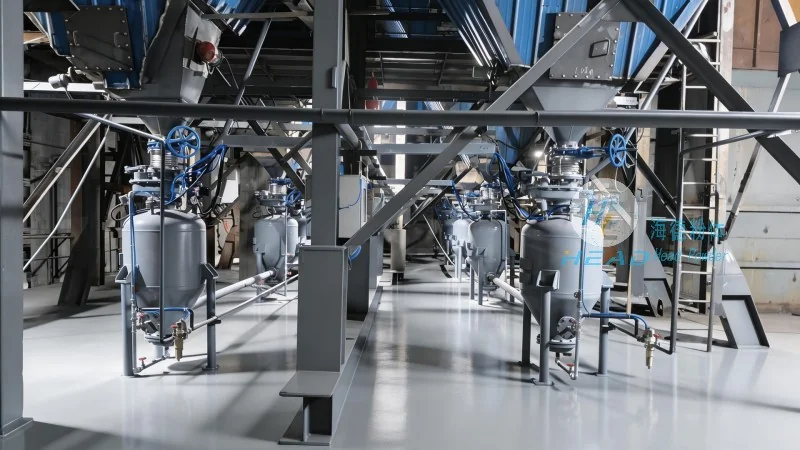
Pneumatic conveying systems use air pressure to transport wheat through a pipeline. This method is particularly effective for handling fine or powdery materials and can cover longer distances with less maintenance compared to mechanical systems. There are two main types of pneumatic conveyors: pressure and vacuum systems. Pressure systems use compressed air to push wheat through the pipeline, while vacuum systems use a vacuum to draw wheat into the line. The choice between pressure and vacuum depends on the distance, material characteristics, and operational requirements. Pneumatic conveyors are ideal for applications requiring dust control and minimal product degradation, such as in food processing and packaging.
4. Combination Systems
In many industrial settings, a combination of the above methods is used to optimize the conveying process. For example, a gravity chute may feed into a mechanical conveyor, which then connects to a pneumatic system for final transport. This integrated approach allows for efficient handling of wheat from storage to processing, minimizing energy consumption and maximizing throughput. The design of combination systems requires careful planning to ensure smooth transitions between different equipment and to maintain consistent flow rates.
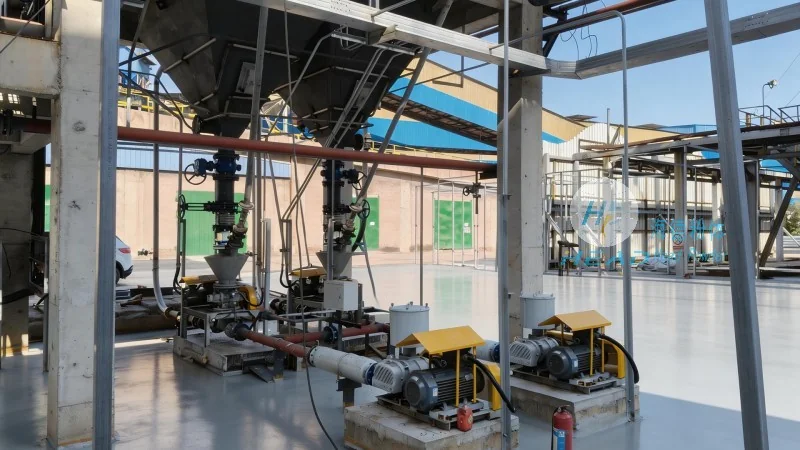
Key Considerations for Selecting Wheat Conveying Methods
When selecting a wheat conveying method, several factors must be considered to ensure optimal performance and cost-effectiveness. These include the distance of transport, the volume of wheat to be moved, the required speed of operation, and the characteristics of the wheat (e.g., moisture content, particle size). Additionally, the space available for installation, the need for dust control, and the overall budget are important considerations. HeadPowder Engineering Co., Ltd. offers customized solutions that address these factors, providing tailored equipment that meets the specific needs of each client.