Chuyên sâu trong lĩnh vực vật liệu rời công nghiệp, cung cấp giải pháp môi trường thông minh tích hợp cho phối trộn tự động, cấp liệu tập trung, khử lưu huỳnh và khử nitơ khô!
When it comes to the efficient handling and transportation of carbon materials, understanding the available methods is crucial for optimizing industrial processes. Carbon materials, including graphite, carbon black, and other carbon-based substances, are widely used in various industries such as manufacturing, energy, and chemical production. The choice of transport method depends on factors like material properties, volume, distance, and operational requirements. This article explores the common methods used for carbon material transportation, highlighting their applications and benefits.
1. Pneumatic Conveying Systems

Pneumatic conveying, also known as air conveying, is a widely used method for transporting carbon materials, especially in applications where dust control and contamination prevention are critical. This system utilizes air pressure to move powders or granules through a pipeline. There are two main types: pressure and vacuum systems. Pressure systems use compressed air to push material from the source to the destination, while vacuum systems draw material using a vacuum pump. Pneumatic conveying is ideal for transporting fine carbon powders like carbon black or graphite, as it minimizes material degradation and ensures a clean transfer process. The technology is particularly effective for long-distance transport and can handle high volumes with minimal maintenance. Companies like Shandong HeadPowder Engineering Co., Ltd. specialize in designing and implementing pneumatic conveying solutions tailored to the specific needs of carbon material handling.
2. Belt Conveyors
Belt conveyors are a classic and reliable method for transporting bulk carbon materials, such as carbon fibers or larger carbon-based products. These systems consist of a continuous belt that moves over rollers or pulleys, carrying the material from one point to another. Belt conveyors are suitable for both horizontal and inclined transport, making them versatile for various industrial settings. They are particularly effective for high-volume, continuous material flow, as they can handle large quantities without frequent stops. The design of the conveyor system, including the type of belt material and the speed, can be customized to accommodate different carbon material characteristics. For instance, conveyor belts made of special materials can prevent material sticking or degradation during transport. HeadPowder, as a leading provider in the field, offers customized belt conveyor solutions that ensure efficient and safe carbon material transport.
3. Pipeline Transportation

Pipeline transportation is a method commonly used for transporting liquid or slurry forms of carbon materials, such as carbon slurry or carbon-based liquids. This method involves pumping the material through a closed pipeline system, similar to how oil or gas is transported. Pipelines are highly efficient for long-distance transport and can handle large volumes with minimal energy consumption. The system typically includes pumps, valves, and control equipment to regulate the flow and pressure. Pipeline transportation is ideal for continuous operation and can be integrated with other processing steps, such as filtration or mixing. It is particularly useful for transporting carbon materials that are in a liquid or semi-liquid state, ensuring a consistent and controlled flow. Shandong HeadPowder Engineering Co., Ltd. provides pipeline systems designed to meet the specific requirements of carbon material transportation, ensuring reliability and efficiency.
4. Bucket Elevators

Bucket elevators are used for vertical or inclined transport of carbon materials, especially in applications where the material needs to be lifted to a higher level. These systems consist of a belt or chain with attached buckets that move vertically or at an angle, lifting the material from a lower to a higher position. Bucket elevators are suitable for transporting bulk carbon materials like carbon black or carbon fibers, and they can handle high volumes with minimal space requirements. The design of the elevator, including the bucket size and spacing, can be customized to accommodate different material characteristics. For example, larger buckets may be used for coarser carbon materials, while smaller buckets are suitable for fine powders. HeadPowder offers bucket elevator solutions that ensure efficient vertical transport of carbon materials, contributing to overall process efficiency.
5. Screw Conveyors
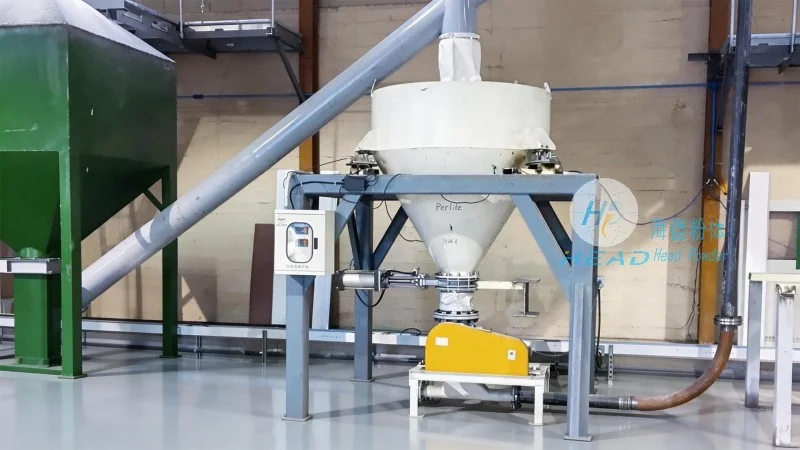
Screw conveyors, also known as auger conveyors, are used for the horizontal or slightly inclined transport of carbon materials, particularly in applications where the material needs to be moved over short distances. These systems consist of a rotating screw (auger) inside a tube or housing, which pushes the material forward. Screw conveyors are effective for transporting granular or powdery carbon materials and can be used in both closed and open configurations. They are simple in design, requiring minimal maintenance, and can handle a wide range of material types. The speed and pitch of the screw can be adjusted to control the flow rate and prevent material buildup. HeadPowder provides screw conveyor solutions that are tailored to the specific needs of carbon material transport, ensuring smooth and reliable operation.
6. Hydraulic Conveying
Hydraulic conveying is a method used for transporting carbon materials in a slurry form, where the material is mixed with water or other liquids to create a pumpable mixture. This system uses hydraulic pumps to move the slurry through pipelines, similar to pipeline transportation but with the added capability of handling more viscous or abrasive materials. Hydraulic conveying is particularly effective for transporting carbon materials that are difficult to handle by other methods, such as high-density carbon powders or those with high moisture content. The system typically includes mixing tanks, pumps, and filtration equipment to ensure consistent slurry properties. Shandong HeadPowder Engineering Co., Ltd. specializes in hydraulic conveying systems that ensure efficient and reliable transport of carbon materials in slurry form, meeting the demands of various industrial applications.
Conclusion and Company Overview
Choosing the right carbon material transport method is essential for optimizing industrial processes and ensuring efficiency. Each method has its own advantages and is suitable for different applications. Pneumatic conveying is ideal for fine powders, belt conveyors for bulk materials, pipelines for liquids, bucket elevators for vertical transport, screw conveyors for short-distance transport, and hydraulic conveying for slurry materials. Companies like Shandong HeadPowder Engineering Co., Ltd. play a crucial role in providing customized transport solutions that meet the specific needs of carbon material handling. With their expertise and experience, HeadPowder helps industries achieve efficient, reliable, and cost-effective carbon material transportation, contributing to overall process optimization. The company is based in Shandong, China, and offers a range of transport solutions tailored to the requirements of various industrial sectors.

 Shandong Headpowder Engineering Co., Ltd.
 156-6277-7102(Quản lý Trương)
  0531-83386006
  Thành phố Tế Nam, Tỉnh Sơn Đông, Trung Quốc
Điện thoại
WeChatTư vấn
Lên đầu