Chuyên sâu trong lĩnh vực vật liệu rời công nghiệp, cung cấp giải pháp môi trường thông minh tích hợp cho phối trộn tự động, cấp liệu tập trung, khử lưu huỳnh và khử nitơ khô!
When it comes to the efficient handling and transportation of cement additives, selecting the right conveying method is crucial for optimizing production processes and ensuring consistent material quality. As a leading provider in the industry, Shandong HeadPowder Engineering Co., Ltd. specializes in delivering reliable solutions tailored to the diverse needs of cement manufacturing facilities. This article explores the various methods for cement additive conveying, highlighting the key features and applications of each approach.
Understanding Cement Additives and Their Role in Conveying
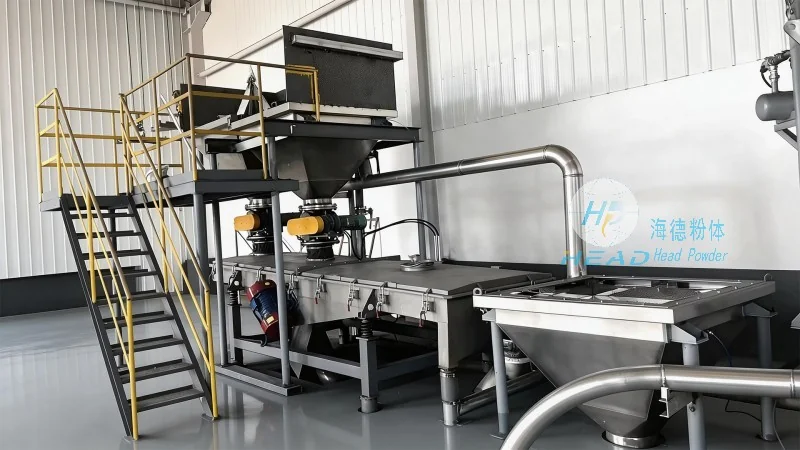
Cement additives, such as fly ash, slag, and limestone, are essential components in modern cement production. These materials are often introduced into the mixing process to enhance performance, reduce energy consumption, and improve the overall quality of the final product. The effective conveyance of these additives directly impacts the efficiency of the cement production line, making it imperative to choose a conveying system that matches the specific characteristics of the material and the operational requirements of the plant.
Common Methods for Cement Additive Conveying
There are several established methods for transporting cement additives, each with its own advantages and suitability for different scenarios. The primary options include screw conveyors, belt conveyors, and pneumatic conveying systems. Each method offers unique benefits in terms of material handling, system complexity, and operational flexibility.

Screw Conveyors: A Versatile Solution for Bulk Material Transport
Screw conveyors, also known as auger conveyors, are widely used for the horizontal or slight inclined transport of cement additives. These systems consist of a rotating helical screw blade enclosed within a U-shaped or tubular housing. As the screw rotates, it pushes the material forward, allowing for a continuous and controlled flow. Screw conveyors are particularly effective for handling dry, free-flowing materials like fly ash and limestone, as they can maintain a consistent speed and pressure without the need for additional components. The design of screw conveyors also allows for easy integration with other equipment, such as mixers and storage silos, making them a popular choice in cement production facilities. Additionally, these systems are relatively low-maintenance and can operate in various environmental conditions, contributing to their widespread adoption in the industry.
Belt Conveyors: High-Capacity and Long-Distance Transport
Belt conveyors are another common method for conveying cement additives, especially when longer distances or higher material volumes are involved. These systems utilize a continuous belt that moves over rollers or pulleys, transporting the material from one point to another. Belt conveyors are capable of handling large quantities of material at high speeds, making them ideal for applications where bulk material transport is required. They are particularly effective for transporting materials like slag and other heavy additives, as the belt can support significant loads without compromising performance. The modular design of belt conveyors allows for easy expansion and customization, enabling manufacturers to adapt the system to changing production needs. Furthermore, belt conveyors are known for their durability and low operational costs, making them a cost-effective solution for long-term use in cement production facilities.

Pneumatic Conveying Systems: Efficient and Flexible Material Handling
Pneumatic conveying systems use air or other gases to transport cement additives through a network of pipes or ducts. These systems are particularly suitable for handling fine or dusty materials, such as fly ash and gypsum, which may be difficult to transport using mechanical systems. The operation of pneumatic conveyors involves creating a pressure differential between the inlet and outlet of the system, which draws the material into the pipe and moves it to the desired location. Pneumatic conveying systems offer high flexibility, as they can be easily reconfigured to accommodate different material types or operational changes. They also provide a closed system, which helps to minimize dust emissions and maintain a clean working environment. However, pneumatic conveyors may require more energy compared to mechanical systems and can be more complex to install and maintain, especially for large-scale applications.
Choosing the Right Conveying Method: Factors to Consider
When selecting a conveying method for cement additives, several factors must be taken into account to ensure optimal performance and efficiency. The first consideration is the physical properties of the material, including its particle size, moisture content, and flowability. Materials with high moisture content or cohesive properties may require specialized equipment, such as screw conveyors with special coatings or pneumatic systems with air conditioning to prevent clogging. The second factor is the distance and layout of the production facility, as different systems are better suited for short or long distances. For example, screw conveyors are ideal for short horizontal or slight inclined distances, while belt conveyors are more suitable for longer horizontal or inclined runs. The third factor is the required capacity and speed of the system, as this will determine the size and power of the equipment needed. Additionally, the cost of installation, maintenance, and operation should be considered, as these factors can significantly impact the overall economics of the conveying system.
Conclusion: Partnering with HeadPowder for Reliable Conveying Solutions
Efficient cement additive conveying is essential for maintaining the productivity and quality of cement production processes. By understanding the various methods available and considering the specific needs of the facility, manufacturers can select the most appropriate conveying system. Shandong HeadPowder Engineering Co., Ltd. offers a range of conveying solutions tailored to the unique requirements of cement production, ensuring reliable and efficient material handling. Whether you need a screw conveyor, belt conveyor, or pneumatic system, HeadPowder provides high-quality equipment and expert guidance to help you optimize your cement production line. With our commitment to quality and customer satisfaction, HeadPowder is your trusted partner for all your cement additive conveying needs.

 Shandong Headpowder Engineering Co., Ltd.
 156-6277-7102(Quản lý Trương)
  0531-83386006
  Thành phố Tế Nam, Tỉnh Sơn Đông, Trung Quốc
Điện thoại
WeChatTư vấn
Lên đầu