Chuyên sâu trong lĩnh vực vật liệu rời công nghiệp, cung cấp giải pháp môi trường thông minh tích hợp cho phối trộn tự động, cấp liệu tập trung, khử lưu huỳnh và khử nitơ khô!
Textile fiber conveyance is a critical process in the textile manufacturing industry, ensuring efficient movement of raw materials from storage to processing units. The choice of conveyance method significantly impacts production efficiency, material quality, and operational costs. This article explores the primary methods used for textile fiber conveyance, highlighting the key factors that influence their selection and application.
Overview of Textile Fiber Conveyance

Textile fibers, such as cotton, polyester, and wool, require specialized handling due to their lightweight, irregular shapes, and varying moisture content. Conveyance systems must be designed to minimize fiber breakage, maintain uniformity, and prevent contamination. The most common methods include mechanical conveyors, pneumatic (air) conveyors, and gravity-based systems. Each method has distinct advantages and is suited to different production environments and material characteristics.
Mechanical Conveyors: A Traditional Approach
Mechanical conveyors are among the oldest and most widely used systems for textile fiber transport. These systems rely on mechanical components like belts, chains, and rollers to move materials. The most common types include belt conveyors, screw conveyors, and chain conveyors. Belt conveyors are ideal for transporting loose fibers over short to medium distances, while screw conveyors are effective for vertical or inclined movement, often used in feed systems for processing machinery. Chain conveyors, equipped with flights or buckets, are suitable for handling bulkier or more abrasive fibers. A key advantage of mechanical conveyors is their ability to operate in dusty or humid environments, making them a reliable choice for many textile facilities. However, they may require more maintenance and can be less efficient for fine fibers, as the mechanical components can cause friction and fiber damage.
Pneumatic Conveyors: The Air-Based Solution

Pneumatic conveyors, also known as air or gas conveyors, utilize compressed air to transport fibers through a pipeline system. This method is particularly effective for fine or powdery fibers that are difficult to handle mechanically. The system typically consists of a hopper, a blower, and a pipeline network with inlets and outlets. As compressed air is introduced into the hopper, it lifts the fibers and propels them through the pipeline to the destination. Pneumatic conveyors offer several benefits, including high efficiency, minimal material degradation, and the ability to transport materials over long distances. They are also relatively easy to install and can be integrated with existing processing equipment. However, they require a significant amount of energy to operate the blower and may not be suitable for very heavy or abrasive fibers, as the air pressure can cause wear on the pipeline and components.

Gravity-Based Conveyors: Simple and Efficient
Gravity-based conveyors utilize the natural force of gravity to move fibers from a higher to a lower elevation. These systems typically consist of chutes or inclined planes that allow materials to slide down under their own weight. This method is simple, low-cost, and requires minimal maintenance. Gravity conveyors are ideal for short horizontal or vertical distances, such as moving fibers from a storage bin to a processing machine. They are particularly effective for bulkier fibers that do not require high-speed transport. A key advantage of gravity-based systems is their ability to handle large volumes of material with minimal energy input. However, they are limited by the need for a suitable elevation difference and may not be suitable for fine or delicate fibers, as the slope can cause excessive friction and damage.
Factors Influencing Conveyance Method Selection
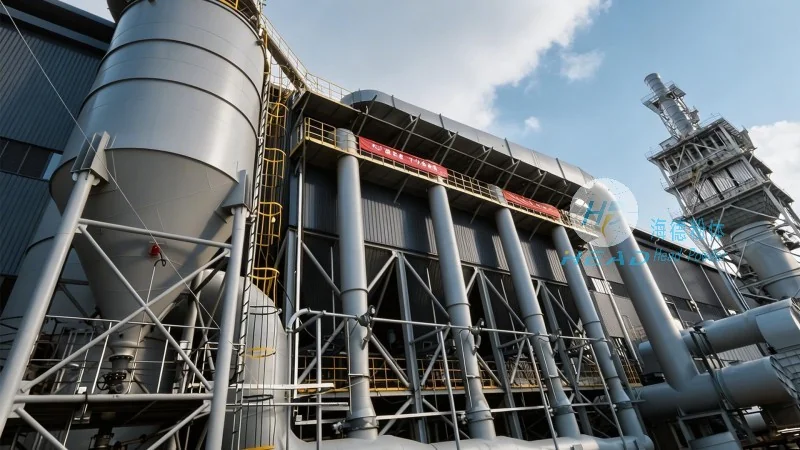
The choice of textile fiber conveyance method depends on several factors, including the type of fiber, production volume, distance to be covered, and environmental conditions. For example, fine fibers like polyester or cotton may be better suited to pneumatic conveyors to minimize breakage, while bulkier fibers like wool or synthetic blends may benefit from mechanical or gravity-based systems. Production volume is another critical factor; high-volume operations may require multiple conveyors or larger systems to maintain efficiency. The distance between storage and processing units also plays a role, as pneumatic systems are more suitable for long distances, while mechanical or gravity systems are better for shorter distances. Environmental conditions, such as dust levels or humidity, can also influence the choice, as some systems are more resistant to these factors than others.
HeadPowder Engineering: Expert in Textile Fiber Conveyance
Shandong HeadPowder Engineering Co., Ltd., a leading manufacturer of textile processing equipment, specializes in designing and supplying conveyance systems tailored to the unique needs of the textile industry. With years of experience, HeadPowder has developed advanced solutions that combine the best features of mechanical, pneumatic, and gravity-based systems. The company’s products are engineered to ensure minimal fiber damage, high efficiency, and low maintenance costs. HeadPowder’s team of experts works closely with clients to assess their specific requirements and recommend the most suitable conveyance method. Whether it's a small-scale operation or a large industrial facility, HeadPowder provides customized solutions that enhance productivity and improve overall performance. The company’s commitment to quality and innovation has made it a trusted partner for textile manufacturers worldwide.
Conclusion
In conclusion, textile fiber conveyance is a complex process that requires careful consideration of various factors. The choice of conveyance method significantly impacts the efficiency and quality of textile production. Mechanical, pneumatic, and gravity-based systems each offer unique advantages and are suited to different applications. By understanding the characteristics of the fibers and the operational requirements, textile manufacturers can select the most appropriate conveyance system. Shandong HeadPowder Engineering Co., Ltd. stands ready to provide expert guidance and high-quality equipment to support the needs of the textile industry, ensuring optimal performance and productivity.

 Shandong Headpowder Engineering Co., Ltd.
 156-6277-7102(Quản lý Trương)
  0531-83386006
  Thành phố Tế Nam, Tỉnh Sơn Đông, Trung Quốc
Điện thoại
WeChatTư vấn
Lên đầu