

What Are the Conveying Methods for Cathode Materials?
For manufacturers in the battery industry, the efficient and reliable transportation of cathode materials is a critical aspect of production. Cathode materials, such as lithium cobalt oxide, lithium iron phosphate, and nickel manganese cobalt oxide, are essential components in lithium-ion batteries. The quality and consistency of the conveying process directly impact the performance and safety of the final battery products. In this article, we will explore the various methods used for cathode material conveying, focusing on the technologies and solutions provided by Shandong HeadPowder Engineering Co., Ltd., a leading company based in Shandong, China.
Key Considerations in Cathode Material Conveying
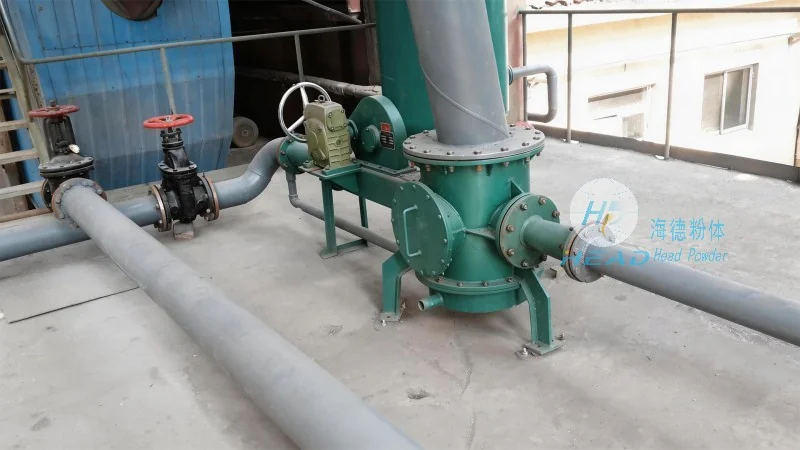
Before delving into specific conveying methods, it is important to understand the key factors that influence the choice of system. Cathode materials often have specific properties, including particle size, moisture content, and chemical reactivity, which must be considered to prevent degradation or contamination during transport. Additionally, the scale of production, the layout of the facility, and the required throughput all play a role in determining the most suitable conveying solution. At HeadPowder, our experts work closely with clients to assess these factors and recommend tailored solutions that meet their operational needs.
Common Conveying Methods for Cathode Materials
Several technologies are commonly used for the transportation of cathode materials, each with its own advantages and applications. The selection of a method depends on the material characteristics, production environment, and the specific requirements of the battery manufacturing process.

Screw Conveyors (Auger Conveyors): Screw conveyors are widely used for cathode material conveying due to their simplicity and effectiveness. These systems consist of a rotating screw inside a tube, which moves material from one point to another through gravity or mechanical force. Screw conveyors are particularly suitable for handling dry, free-flowing materials and can be designed with different screw configurations to accommodate various particle sizes. For example, a standard screw conveyor might be used to transport raw cathode powders from storage silos to mixing equipment. The design can include features such as variable speed drives and discharge chutes to control the flow rate and prevent material buildup. HeadPowder specializes in the design and manufacturing of high-quality screw conveyors tailored for cathode material applications, ensuring minimal material degradation and efficient transport.
Belt Conveyors: Belt conveyors are another common option, especially for larger volumes and longer distances. These systems use a continuous belt that moves material along a path, often supported by rollers or idlers. Belt conveyors are ideal for transporting bulk quantities of cathode materials, such as from a raw material handling area to a mixing or coating line. They can be configured with multiple lanes or inclines to handle different material types and throughput requirements. The choice of belt material is critical, as it must be resistant to the chemicals and abrasiveness of cathode powders. At HeadPowder, we offer durable belt conveyor systems with reinforced belts and advanced drive mechanisms to ensure reliable operation in demanding battery manufacturing environments.
Air-Flow Conveying (Pneumatic Conveying): Pneumatic conveying systems use air or other gases to transport cathode materials through a pipeline. This method is particularly useful for materials that are sensitive to moisture or contamination, as the material is enclosed within the pipeline, preventing exposure to the environment. There are two main types of pneumatic conveying: pressure and vacuum systems. Pressure systems use compressed air to push material through the line, while vacuum systems use suction to draw material from a source. Pneumatic conveying is often preferred for handling fine powders or materials that are prone to dust generation. HeadPowder provides advanced pneumatic conveying solutions, including rotary air locks and filter systems, to ensure efficient and clean material transport. These systems are designed to minimize particle loss and maintain the purity of the cathode materials throughout the process.

Bucket Elevators: For vertical or inclined transport of cathode materials, bucket elevators are a reliable choice. These systems use a series of buckets attached to a belt or chain that moves vertically, lifting material from a lower to a higher level. Bucket elevators are capable of handling a wide range of material densities and can be integrated with other conveying equipment to form a complete material handling system. They are particularly effective for transporting materials from storage silos to processing equipment located at different heights within the facility. HeadPowder’s bucket elevators are engineered with heavy-duty components and advanced control systems to ensure safe and efficient vertical transport of cathode materials, minimizing downtime and maximizing productivity.
Advantages and Challenges of Each Method
Each conveying method has its own set of advantages and challenges, which must be carefully evaluated to ensure the best fit for a specific application. Screw conveyors offer simplicity and low maintenance, but may not be suitable for very fine or abrasive materials. Belt conveyors provide high throughput and flexibility, but require regular maintenance and can be prone to belt wear. Pneumatic conveying offers enclosed transport and minimal contamination, but can be more complex and energy-intensive. Bucket elevators are ideal for vertical transport but may have limitations in terms of material capacity and speed.

At HeadPowder, we understand these trade-offs and work with clients to select the most appropriate conveying method based on their unique requirements. Our team of engineers conducts thorough assessments of material properties, production volumes, and facility layout to recommend solutions that optimize performance, reduce costs, and enhance safety. By leveraging our expertise in material handling technology, we help battery manufacturers achieve efficient and reliable cathode material transport, contributing to the overall quality and consistency of their battery products.
Conclusion
In conclusion, the choice of cathode material conveying method is a critical decision that impacts the efficiency and quality of battery production. From screw conveyors to pneumatic systems, each technology offers unique benefits and considerations. Shandong HeadPowder Engineering Co., Ltd. is committed to providing innovative and tailored solutions for cathode material handling, ensuring that manufacturers can meet the demands of the rapidly evolving battery industry. With our focus on quality, reliability, and customer satisfaction, HeadPowder remains a trusted partner for battery manufacturers seeking to optimize their material transport processes.