Chuyên sâu trong lĩnh vực vật liệu rời công nghiệp, cung cấp giải pháp môi trường thông minh tích hợp cho phối trộn tự động, cấp liệu tập trung, khử lưu huỳnh và khử nitơ khô!
Silica sand, a crucial raw material in various industries such as glass manufacturing, foundries, and construction, requires efficient and reliable transportation systems to ensure smooth production processes. The choice of conveying method depends on factors like the sand's properties, production scale, and operational environment. This article explores common methods used for silica sand conveyance, highlighting their applications and advantages.
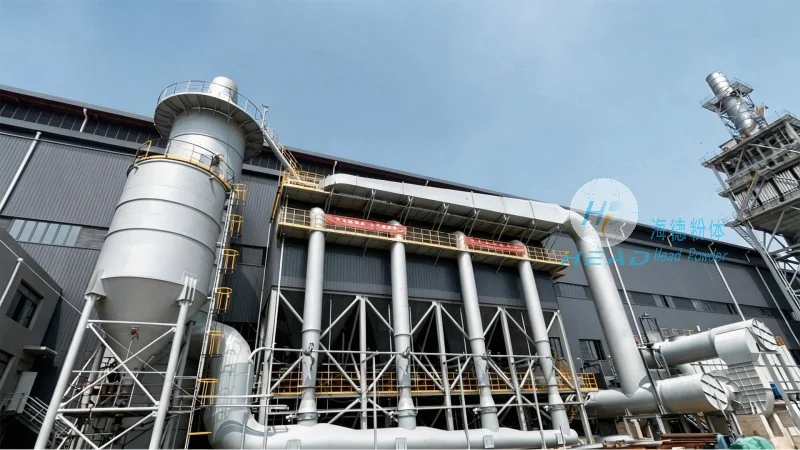
1. Belt Conveyor System
One of the most widely used methods for silica sand transportation is the belt conveyor. This system consists of a continuous loop of a flat belt that moves over rollers or pulleys. The belt is driven by a motor, and the sand is loaded onto the belt at one end and discharged at the other. Belt conveyors are suitable for long-distance and high-volume transport due to their ability to handle large quantities of material with minimal maintenance. They are particularly effective in open-pit mining and industrial plants where horizontal or slightly inclined transport is needed. The smooth operation and low friction make them ideal for delicate sand particles, preventing breakage and ensuring consistent quality.
2. Pneumatic Conveying System
For applications requiring dust-free and enclosed transport, pneumatic conveying systems are a preferred choice. This method uses air pressure or vacuum to move silica sand through a pipeline. The sand is mixed with air in a hopper and then propelled through the pipeline to the destination. Pneumatic conveyors are advantageous for transporting fine or abrasive materials as they protect the sand from external contaminants and reduce dust emissions. They are commonly used in food processing, pharmaceuticals, and other industries where hygiene is critical. However, they may require higher energy consumption compared to mechanical systems and can be less efficient for very long distances.

3. Screw Conveyor (Auger Conveyor)
Screw conveyors, also known as auger conveyors, are another common method for silica sand transport. These systems use a rotating screw (auger) inside a tube to move material forward. The screw's rotation creates a pushing action that propels the sand along the conveyor. Screw conveyors are suitable for vertical or inclined transport and are often used in batching plants and small-scale operations. They are compact and can be easily installed in confined spaces. However, they may not be as efficient for high-volume or long-distance transport as other systems, and the screw can wear out faster with abrasive materials like silica sand.
4. Bucket Elevator
Bucket elevators are vertical or inclined conveyors that use a continuous chain with attached buckets to transport silica sand. The buckets are filled with sand at the bottom and then lifted to the top, where the sand is discharged. This method is ideal for vertical transport over significant heights, such as in cement plants or flour mills. Bucket elevators are capable of handling large quantities of material and are highly efficient for vertical movement. They are also relatively simple in design and require less space compared to other vertical systems. However, they may be more expensive to install and maintain, especially for very high capacities.
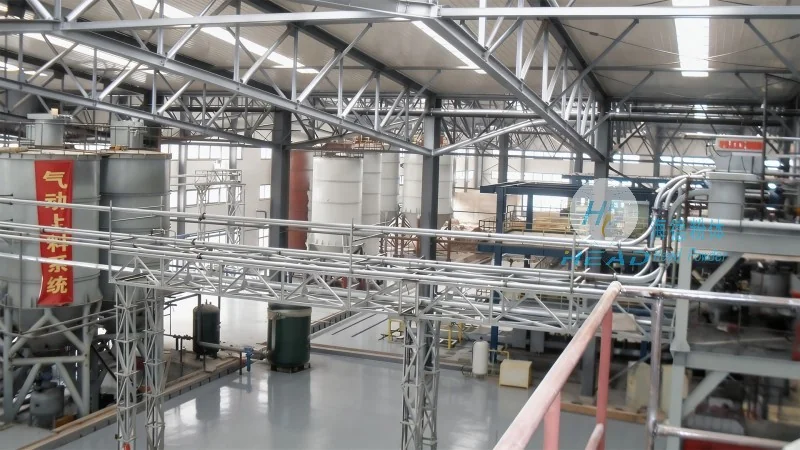
5. Hydraulic Conveying System
Hydraulic conveying systems use water or a slurry to transport silica sand. The sand is mixed with water to form a slurry, which is then pumped through pipelines to the destination. This method is commonly used in mining operations where the sand is extracted from underground and needs to be transported over long distances. Hydraulic conveyors are effective for handling wet or sticky materials and can transport large volumes of sand with minimal energy. However, they require additional equipment for slurry preparation and may not be suitable for dry sand applications. The system also needs regular maintenance to prevent clogging and ensure consistent flow.
Conclusion and Company Information
Choosing the right silica sand conveying method is essential for optimizing production efficiency and maintaining material quality. Each method has its own advantages and limitations, and the selection depends on specific operational requirements. For businesses seeking reliable and efficient conveying solutions, Shandong HeadPowder Engineering Co., Ltd. offers a range of customized systems tailored to meet diverse needs. With years of experience in the industry, HeadPowder provides high-quality equipment and professional consultation to ensure optimal performance in silica sand transportation. Located in Shandong, China, the company serves clients globally, delivering solutions that enhance productivity and reduce operational costs.

 Shandong Headpowder Engineering Co., Ltd.
 156-6277-7102(Quản lý Trương)
  0531-83386006
  Thành phố Tế Nam, Tỉnh Sơn Đông, Trung Quốc
Điện thoại
WeChatTư vấn
Lên đầu