

Polystyrene Conveying Methods: Exploring the Options
Polystyrene, a versatile and widely used thermoplastic, is commonly utilized in various industrial applications due to its lightweight and durable properties. The efficient handling and transportation of polystyrene materials are crucial for maintaining production efficiency and ensuring product quality. In this article, we will explore the different methods of polystyrene conveying, highlighting the key considerations and applications for each approach.
1. Belt Conveyors for Polystyrene Handling

Belt conveyors are one of the most common and effective methods for transporting polystyrene materials. These systems utilize a continuous belt, typically made of rubber or synthetic materials, to move polystyrene particles or blocks from one location to another. The design of the belt conveyor can be customized to accommodate different shapes and sizes of polystyrene products, making it suitable for both bulk and individual item transport. For instance, in the packaging industry, belt conveyors are often used to move polystyrene foam sheets or molded parts through production lines. The smooth operation of belt conveyors ensures minimal product damage, which is essential for maintaining the integrity of polystyrene items. Additionally, the modular nature of belt conveyor systems allows for easy integration with existing production equipment, enhancing overall workflow efficiency.
2. Screw Conveyors and Auger Systems
Screw conveyors, also known as auger conveyors, are another popular choice for polystyrene conveying. These systems consist of a rotating screw or auger that moves polystyrene material along a trough or tube. The screw mechanism is particularly effective for handling granular or powdered polystyrene, as it can transport materials vertically or horizontally with minimal spillage. In industrial settings, screw conveyors are often used in recycling facilities or manufacturing plants to move polystyrene waste or raw materials to processing units. The compact design of screw conveyors makes them ideal for spaces with limited room, and their ability to operate in enclosed environments helps contain dust and debris, which is crucial for maintaining a clean and safe working environment. Furthermore, screw conveyors can be equipped with variable speed drives to adjust the conveying rate based on the material's characteristics and production demands.
3. Pneumatic Conveying Systems
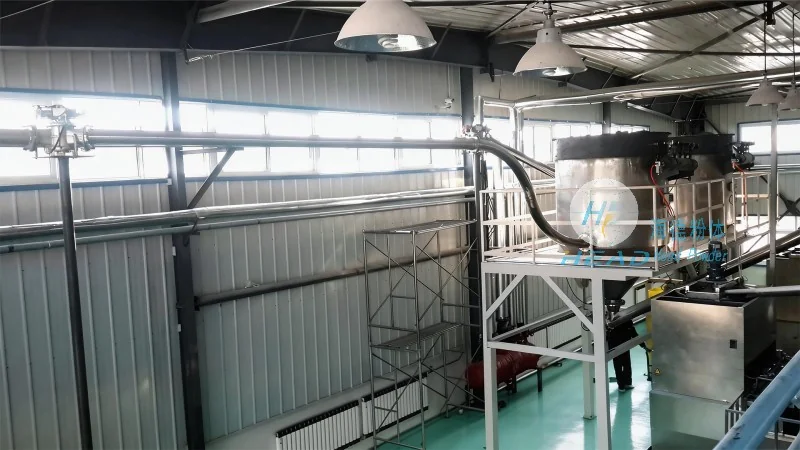
Pneumatic conveying systems use air or other gases to transport polystyrene materials through a network of pipes. This method is particularly advantageous for handling fine polystyrene powders or small particles, as it can move materials over long distances without the need for mechanical components at the receiving end. Pneumatic conveyors are commonly used in the plastics industry to transfer polystyrene from storage silos to processing equipment or to move finished products from one production stage to another. The flexibility of pneumatic systems allows for easy reconfiguration of the conveying network, adapting to changes in production requirements. However, the efficiency of pneumatic conveying depends on factors such as air pressure, material density, and particle size, which must be carefully managed to ensure optimal performance. Additionally, proper filtration and dust collection systems are essential to maintain air quality and prevent material buildup in the pipes.
4. Hydraulic Conveying Methods
Hydraulic conveying systems utilize fluid pressure to move polystyrene materials through a closed system. These systems are typically used for transporting larger polystyrene blocks or irregularly shaped items that may not be suitable for other conveying methods. The hydraulic mechanism provides a high level of force, enabling the movement of heavy or dense polystyrene products with minimal effort. In industrial applications, hydraulic conveyors are often employed in manufacturing plants to move large polystyrene components from one workstation to another, such as from molding machines to quality control areas. The closed-loop design of hydraulic systems helps contain fluids and prevent leaks, ensuring a safe and efficient operation. Furthermore, hydraulic conveyors can be integrated with sensors and control systems to monitor the conveying process and adjust parameters in real-time, enhancing operational reliability.
5. Vibrating Conveyors

Vibrating conveyors use vibration to move polystyrene materials along a trough or conveyor bed. These systems are particularly effective for handling bulk polystyrene materials, as the vibration helps to prevent material buildup and ensures smooth flow. Vibrating conveyors are commonly used in the packaging and processing industries to move polystyrene products through sorting or inspection stages. The adjustable frequency and amplitude of the vibration allow for customization based on the material's properties, such as density and moisture content. This flexibility makes vibrating conveyors suitable for a wide range of polystyrene applications, from lightweight foam to dense molded parts. Additionally, the low maintenance requirements of vibrating conveyors make them a cost-effective solution for long-term use, reducing downtime and maintenance costs in industrial settings.
6. Magnetic Conveyors for Polystyrene with Metal Inclusions
In some cases, polystyrene materials may contain metal inclusions or be mixed with other metallic components. Magnetic conveyors are specifically designed to handle such materials by using magnetic fields to separate or move metal particles while allowing the polystyrene to pass through. This method is particularly useful in recycling processes where polystyrene waste is mixed with metal scraps. Magnetic conveyors can be integrated into existing production lines to sort and separate metal from polystyrene, improving the quality of the recycled material. The efficiency of magnetic conveying depends on the strength of the magnetic field and the type of metal present, which must be carefully selected to ensure optimal performance. Additionally, magnetic conveyors can be combined with other sorting technologies, such as optical sensors, to enhance the accuracy of material separation.

7. Customized Conveying Solutions by Shandong HeadPowder Engineering Co., Ltd.
For businesses seeking specialized polystyrene conveying solutions, Shandong HeadPowder Engineering Co., Ltd. offers tailored systems designed to meet specific operational needs. With years of experience in the engineering and manufacturing of conveying equipment, HeadPowder provides comprehensive solutions that integrate the most suitable conveying method based on the material characteristics, production volume, and space constraints. The company's team of experts works closely with clients to assess their unique requirements and develop customized designs that optimize efficiency and minimize costs. Whether it's a belt conveyor for bulk transport or a pneumatic system for fine powders, HeadPowder ensures that the chosen conveying method aligns with the client's production goals and operational standards. The company's commitment to quality and innovation has made it a trusted partner in the plastics industry, providing reliable and efficient conveying solutions for various applications.
Conclusion: Choosing the Right Polystyrene Conveying Method
Selecting the appropriate polystyrene conveying method is a critical decision that impacts production efficiency, product quality, and operational costs. Each method has its own advantages and limitations, and the choice depends on factors such as material type, size, and shape, as well as the specific requirements of the production process. By understanding the characteristics of each conveying system and consulting with experts like Shandong HeadPowder Engineering Co., Ltd., businesses can make informed decisions that enhance their overall productivity and competitiveness. Whether it's a belt conveyor for smooth operation or a pneumatic system for flexibility, the right conveying method can significantly improve the handling and transportation of polystyrene materials, ensuring a seamless workflow from raw material to finished product.