

Soybean Feed Conveying Methods: Exploring Effective Options
When it comes to managing soybean feed in agricultural and industrial settings, the choice of conveying method plays a critical role in efficiency, cost-effectiveness, and product integrity. Proper feed handling ensures that soybeans are transported safely and efficiently from storage to processing or feeding areas. This article explores various soybean feed conveying methods, highlighting their applications, advantages, and considerations for different operational needs.

Understanding the Importance of Soybean Feed Conveying
Soybean feed is a vital component in animal nutrition, providing essential proteins and nutrients. The way it is conveyed from storage silos or bins to feeding equipment can impact the quality of the feed and the overall productivity of the operation. Effective conveying systems must maintain the feed's moisture content, prevent contamination, and minimize material loss during transport. For businesses in the feed industry, selecting the right conveying method is a strategic decision that influences operational costs and the health of livestock.
Common Soybean Feed Conveying Methods
Several methods are commonly used to transport soybean feed, each with unique characteristics suited to specific environments and operational scales. The primary options include mechanical conveyors, pneumatic systems, and gravity-based solutions. Understanding these methods helps in making informed decisions based on factors such as feed volume, distance, and the physical properties of the material.

1. Screw Conveyors (Auger Conveyors)
Screw conveyors, also known as auger conveyors, are one of the most widely used mechanical systems for moving soybean feed. These systems consist of a rotating helical screw inside a tube or trough, which pulls material forward as it rotates. Screw conveyors are particularly effective for handling bulk materials like soybeans, as they can transport feed vertically or horizontally with minimal maintenance. They are often used in feed mills and storage facilities to move feed from lower to higher levels or across short to medium distances. The design allows for easy integration with other processing equipment, making them a versatile choice for feed handling operations.
2. Pneumatic Conveying Systems
Pneumatic conveying systems use air or gas to transport soybean feed through a pipeline. These systems are ideal for applications requiring long-distance transport or when the feed needs to be moved in a dust-free environment. There are two main types of pneumatic conveyors: pressure and vacuum systems. Pressure systems push material through the pipeline using compressed air, while vacuum systems pull material from the source. Pneumatic systems are particularly beneficial for preventing contamination and reducing the risk of material spillage. They are commonly used in feed processing plants where hygiene and product purity are paramount. However, they may require higher energy input compared to mechanical conveyors and can be more complex to install and maintain.
3. Belt Conveyors

Belt conveyors use a continuous belt to transport soybean feed over a series of rollers or idlers. This method is suitable for both horizontal and inclined transport and is commonly used in feed storage and handling facilities. Belt conveyors are known for their high capacity and ability to handle large volumes of feed efficiently. They are often used in combination with other equipment, such as hoppers and feeders, to create a seamless feed handling process. The design allows for easy integration with automated systems, making them a popular choice in modern feed mills. However, belt conveyors require regular maintenance to ensure the belt remains in good condition and to prevent material buildup or slippage.
4. Gravity Feed Systems
Gravity feed systems rely on the natural weight of the soybean feed to move it from one level to another. These systems typically involve hoppers or chutes that allow feed to flow downward under gravity. Gravity feed is simple, low-cost, and requires minimal energy input. It is often used in smaller operations or for short vertical drops where the feed can be safely discharged without the need for mechanical assistance. However, gravity systems are limited by the distance and angle of the drop, and they may not be suitable for large volumes or long distances. They are commonly used in conjunction with other conveying methods to supplement the overall feed handling process.
Choosing the Right Conveying Method for Your Operation
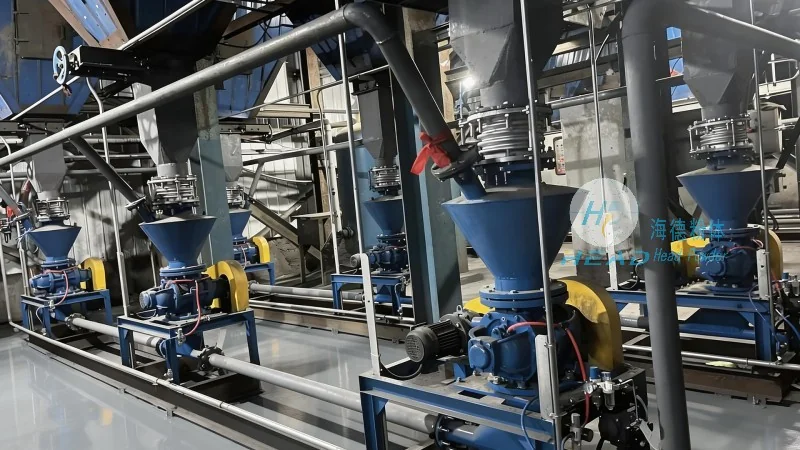
The selection of a soybean feed conveying method depends on several factors, including the volume of feed to be transported, the distance between the source and destination, the physical properties of the material (such as moisture content and particle size), and the operational budget. For example, screw conveyors are ideal for short to medium distances and moderate volumes, while pneumatic systems are better suited for long-distance or high-volume transport. Belt conveyors excel in high-capacity applications, and gravity systems are suitable for simple, low-cost setups. It is essential to evaluate these factors carefully to ensure the chosen method aligns with the specific needs of the operation.
Considerations for Feed Integrity and Safety
When selecting a soybean feed conveying method, it is crucial to consider the impact on feed integrity and safety. Factors such as moisture content, temperature, and contamination risk must be managed to maintain the quality of the feed. Mechanical conveyors like screw and belt systems can generate heat during operation, which may affect the feed's moisture levels. Pneumatic systems, while effective in preventing contamination, may require additional measures to control dust and prevent material degradation. Gravity systems, being simple, may be prone to spillage or blockages if not properly designed. Proper maintenance and regular inspections are essential to ensure that the conveying system operates efficiently and safely, protecting both the feed quality and the health of the animals consuming it.
Conclusion
Effective soybean feed conveying is a critical aspect of feed management in agricultural and industrial settings. By understanding the various conveying methods available and their specific applications, businesses can select the most suitable option to enhance operational efficiency, reduce costs, and maintain the quality of their feed products. Whether using screw conveyors, pneumatic systems, belt conveyors, or gravity feed, the goal is to ensure that soybean feed is transported safely, efficiently, and in compliance with industry standards. For those in the feed industry, partnering with experienced providers like Shandong HeadPowder Engineering Co., Ltd. can help in designing and implementing the optimal conveying solutions tailored to their unique operational needs.