Chuyên sâu trong lĩnh vực vật liệu rời công nghiệp, cung cấp giải pháp môi trường thông minh tích hợp cho phối trộn tự động, cấp liệu tập trung, khử lưu huỳnh và khử nitơ khô!
When it comes to the efficient handling and transportation of aggregates in construction and industrial applications, selecting the right conveying method is crucial for optimizing workflow and ensuring material integrity. The choice of aggregate conveying system directly impacts productivity, cost-effectiveness, and the overall quality of the final product. Understanding the various methods available helps engineers and project managers make informed decisions that align with specific operational requirements.
Overview of Common Aggregate Conveying Methods
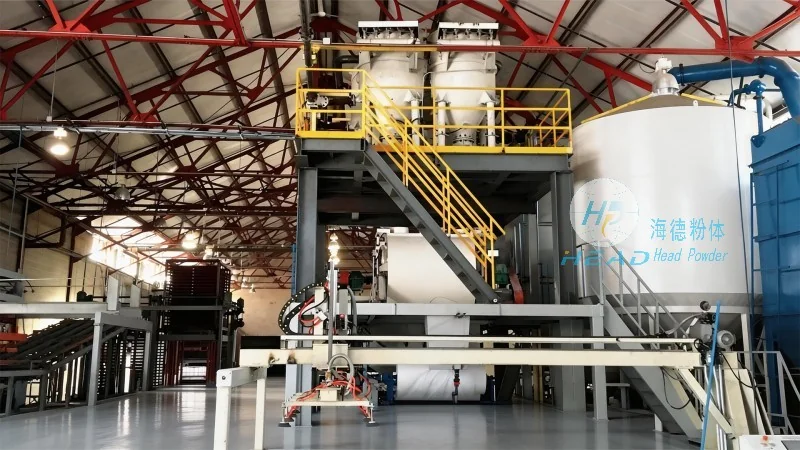
Aggregate conveying involves the movement of bulk materials such as sand, gravel, crushed stone, and other construction materials from one location to another. The primary goal is to transport these materials with minimal loss, minimal degradation, and at a consistent rate. Several methods are widely used in the industry, each with its own advantages and applications.
1. Belt Conveyors for Aggregate Handling
Belt conveyors are one of the most common and versatile methods for transporting aggregates. They consist of a continuous loop of a fabric or rubber belt that moves over rollers or pulleys. This system is highly effective for horizontal and slightly inclined transport, making it suitable for long-distance and high-volume material movement. The belt conveyor's ability to handle a wide range of materials, from fine sands to large gravel, makes it a preferred choice in many construction sites and processing plants. The design allows for easy integration with other equipment, such as crushers and screens, forming a seamless material handling line.
2. Screw Conveyors for Bulk Material Transport
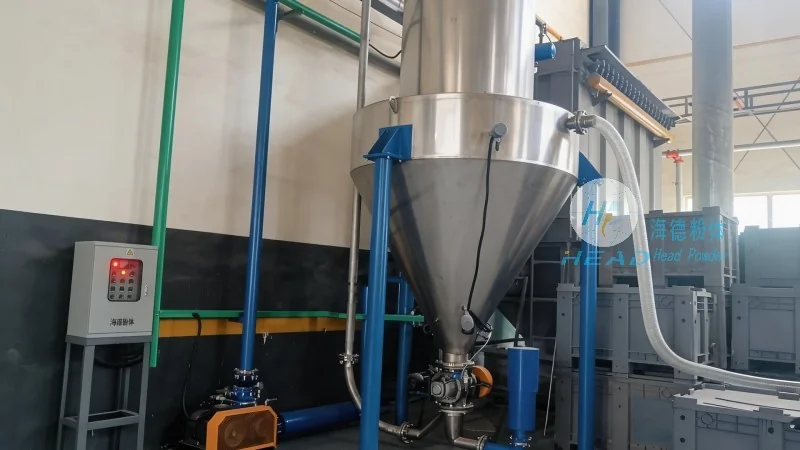
Screw conveyors, also known as auger conveyors, use a rotating screw or helical blade to move materials along a trough. This method is particularly effective for transporting granular materials that are free-flowing and non-abrasive. Screw conveyors are ideal for vertical or inclined transport, allowing materials to be lifted or moved at an angle. They are commonly used in batching plants, feed mills, and other applications where precise control over material flow is necessary. The compact design of screw conveyors makes them suitable for confined spaces, and they can be easily adjusted to handle different material types by changing the screw pitch or speed.
3. Pneumatic Conveying Systems for Dusty Materials
Pneumatic conveying systems use air pressure to transport aggregates and other dry materials through a pipeline. This method is especially useful for handling dusty or fine materials that are difficult to move with mechanical systems. The system consists of a blower, a hopper, and a pipeline network. The material is drawn into the pipeline by the air flow, which carries it to the destination. Pneumatic conveying offers advantages such as low maintenance, minimal material degradation, and the ability to transport materials over long distances without the need for multiple transfer points. However, it requires careful consideration of air pressure and flow rates to ensure efficient operation.
4. Bucket Elevators for Vertical Material Transport

Bucket elevators are specialized conveyors designed for vertical transport of bulk materials. They consist of a continuous chain with attached buckets that move up and down inside a vertical casing. As the buckets rise, they fill with material and then discharge it at the top. This method is highly efficient for lifting materials to significant heights, such as in concrete mixing plants or industrial processing facilities. Bucket elevators are capable of handling a wide range of materials, including wet or sticky aggregates, and can operate at high speeds with minimal maintenance. Their enclosed design prevents material spillage and dust contamination, making them suitable for clean and controlled environments.
5. Roller Conveyors for Lighter Aggregate Loads
Roller conveyors use a series of rollers to move aggregates that are relatively light in weight or have a smooth surface. This method is commonly used for transporting bags, containers, or smaller loads of materials. The rollers can be arranged in various configurations, such as line shaft or chain-driven, to suit different application needs. Roller conveyors are ideal for horizontal transport over short distances and are often used in conjunction with other conveying systems to form a complete material handling solution. They are easy to install and maintain, and their modular design allows for flexibility in layout adjustments.
6. Hydraulic Conveyors for Heavy-Duty Applications

Hydraulic conveyors utilize hydraulic power to move heavy or abrasive aggregates. These systems typically consist of a hydraulic cylinder or piston that pushes a plunger or conveyor belt, allowing for the transport of large volumes of material. Hydraulic conveyors are particularly effective in mining and quarry operations where high loads and rough conditions are common. They can handle materials with high abrasiveness and are capable of operating in harsh environments. The use of hydraulic power provides precise control over the conveying speed and force, ensuring consistent material flow even under heavy loads.
Company Profile: Shandong HeadPowder Engineering Co., Ltd.
Shandong HeadPowder Engineering Co., Ltd., operating under the brand name HeadPowder, is a leading provider of advanced material handling solutions tailored for the construction and industrial sectors. With a strong presence in China, particularly in Shandong province, the company specializes in designing, manufacturing, and supplying a wide range of aggregate conveying equipment. HeadPowder's commitment to innovation and quality has positioned it as a trusted partner for projects requiring efficient and reliable material transport systems. The company's products are engineered to meet the diverse needs of clients, from small-scale construction sites to large industrial plants, ensuring optimal performance and durability in various operational conditions.
Conclusion: Choosing the Right Aggregate Conveying Method
The selection of an appropriate aggregate conveying method depends on several factors, including the type of material, the distance to be covered, the required capacity, and the operational environment. Each method has its strengths and limitations, and the best choice is often determined by a combination of these factors. By understanding the characteristics of different conveying systems and consulting with industry experts, project managers can select the most suitable method to enhance productivity, reduce costs, and ensure the quality of the final construction materials. Whether using belt conveyors, screw conveyors, or other specialized systems, the goal is to achieve efficient, reliable, and cost-effective material handling that supports the success of construction and industrial projects.

 Shandong Headpowder Engineering Co., Ltd.
 156-6277-7102(Quản lý Trương)
  0531-83386006
  Thành phố Tế Nam, Tỉnh Sơn Đông, Trung Quốc
Điện thoại
WeChatTư vấn
Lên đầu