

Types of Wheat Conveying Methods: Exploring Efficient Solutions
Wheat is a staple crop worldwide, and efficient handling and transportation of wheat grains from the field to processing facilities is crucial for the agricultural industry. Conveying systems play a vital role in ensuring that wheat is moved safely, effectively, and with minimal loss. Understanding the various wheat conveying methods available helps farmers and industry professionals select the most suitable equipment for their specific needs.
Common Wheat Conveying Equipment and Their Applications

Several types of equipment are commonly used for wheat conveying, each with its own advantages and specific applications. The choice of equipment depends on factors such as the volume of wheat to be handled, the distance it needs to be transported, and the conditions of the environment where the conveying takes place. Key equipment includes:
Belt Conveyors: These are widely used for transporting wheat in bulk. Belt conveyors consist of a continuous belt that moves over rollers or pulleys, allowing wheat to be carried from one point to another. They are particularly effective for horizontal or slightly inclined transport and are commonly used in grain elevators and storage facilities.
Pneumatic Conveyors: Also known as air slides or duct conveyors, these systems use air pressure to move wheat through a pipeline. Pneumatic conveyors are ideal for transporting wheat over longer distances and can handle both dry and slightly moist wheat. They are often used in processing plants where dust control and flexibility are important.
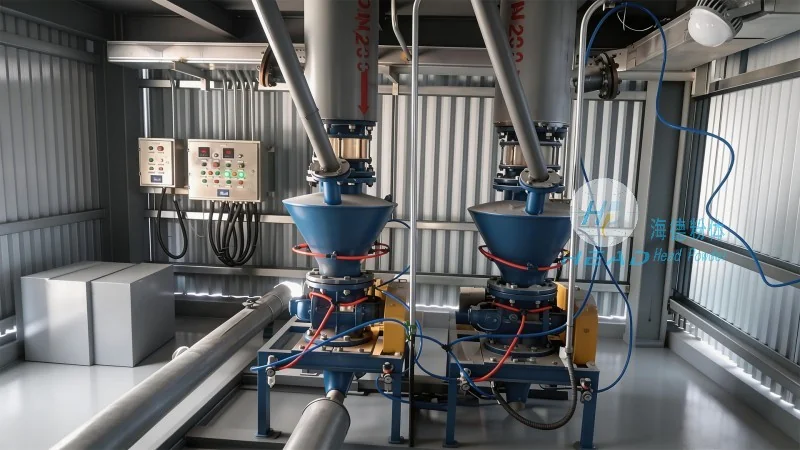
Auger Conveyors: These are screw-type conveyors that use a rotating helical screw to move wheat. Auger conveyors are suitable for vertical or inclined transport and are commonly used in silos and storage bins to move wheat from lower to upper levels. They are compact and efficient for short-distance conveying.
Bucket Elevators: A type of vertical conveyor, bucket elevators use buckets attached to a chain or belt to lift wheat from the ground to elevated positions. They are highly effective for vertical transport and are commonly used in grain handling facilities to move wheat from storage bins to processing equipment.
Key Factors to Consider When Choosing a Wheat Conveying System
When selecting a wheat conveying system, several factors must be considered to ensure optimal performance and efficiency. These factors include:
Capacity and Throughput: The volume of wheat that needs to be transported per hour or per day is a critical factor. The conveying system must be able to handle the required capacity without causing bottlenecks or delays.
Distance and Layout: The distance between the source and destination of the wheat, as well as the layout of the facility, influences the choice of equipment. For short distances, auger conveyors or belt conveyors may be sufficient, while for longer distances, pneumatic or bucket elevators are more appropriate.
Wheat Characteristics: The moisture content, size, and density of the wheat can affect the conveying process. For example, wet or sticky wheat may require special equipment to prevent clogging, while dry wheat can be handled by standard systems.
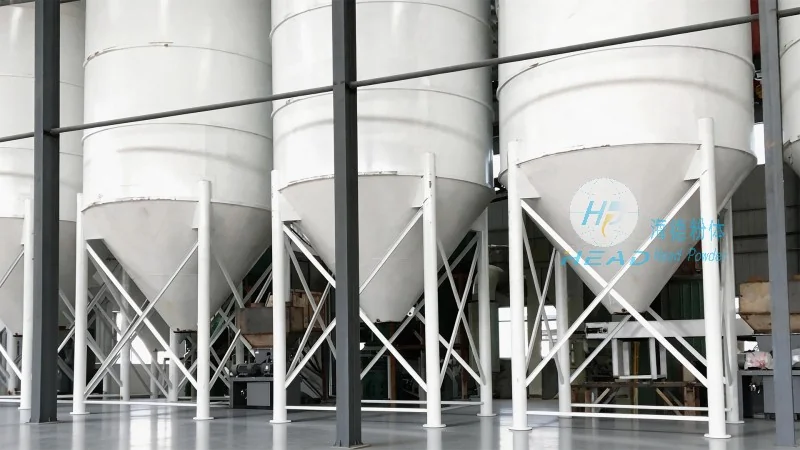
Energy Efficiency: The cost of operating the conveying system is an important consideration. Energy-efficient equipment can reduce long-term operational costs and is environmentally friendly.
Maintenance and Durability: The equipment should be durable and require minimal maintenance to ensure continuous operation. Factors such as wear resistance and ease of cleaning are important, especially in food processing environments.
The Role of HeadPowder in Providing Specialized Wheat Conveying Solutions
Shandong HeadPowder Engineering Co., Ltd., commonly known as HeadPowder, is a leading manufacturer specializing in agricultural and industrial conveying equipment. With a strong commitment to quality and innovation, HeadPowder offers a range of wheat conveying solutions tailored to the specific needs of the agricultural industry. The company's expertise in designing and manufacturing efficient conveying systems ensures that farmers and processing facilities can achieve optimal performance and reliability.

HeadPowder's product line includes belt conveyors, pneumatic conveyors, auger conveyors, and bucket elevators, all designed to handle wheat with precision and efficiency. The company's engineers work closely with clients to understand their unique requirements and provide customized solutions that meet their operational needs. By leveraging advanced technology and materials, HeadPowder ensures that its conveying systems are durable, low-maintenance, and energy-efficient, helping clients reduce operational costs and improve overall productivity.
HeadPowder's facilities are located in Shandong, China, where the company has established a strong presence in the agricultural equipment market. The company's dedication to research and development ensures that its products remain at the forefront of technological advancements, providing clients with the latest solutions for wheat conveying. Whether it's for small-scale farms or large industrial processing facilities, HeadPowder offers reliable and effective conveying systems that enhance the efficiency of wheat handling processes.
Conclusion: Ensuring Efficient and Reliable Wheat Handling
Efficient wheat conveying is essential for the smooth operation of agricultural and processing facilities. By understanding the various methods and equipment available, and considering key factors such as capacity, distance, and wheat characteristics, industry professionals can select the most suitable conveying system. Companies like Shandong HeadPowder Engineering Co., Ltd. play a crucial role in providing specialized solutions that meet the unique needs of the industry, ensuring that wheat is handled safely, effectively, and with minimal loss. With the right equipment and expertise, wheat conveying can be optimized to enhance productivity and support the growth of the agricultural sector.