

What Are the Methods for Silica Fume Conveying?
Silica fume, also known as microsilica, is a byproduct of silicon metal or ferrosilicon production. It is a fine powder with high surface area and reactivity, widely used as a supplementary cementitious material in concrete to enhance performance. The efficient and reliable conveyance of silica fume is crucial for industrial applications, as it directly impacts production efficiency and product quality. Various methods have been developed to handle this fine powder, each with its own advantages and applications. Shandong HeadPowder Engineering Co., Ltd., a leading provider of material handling solutions, specializes in optimizing silica fume conveying systems to meet the diverse needs of the construction and industrial sectors.
Common Conveying Methods for Silica Fume
Several methods are commonly employed for silica fume transportation, tailored to different production scales, material properties, and operational requirements. The primary methods include pneumatic conveying, mechanical conveying, and hybrid systems. Each method addresses specific challenges such as dust control, material handling, and energy efficiency.
Pneumatic Conveying Systems
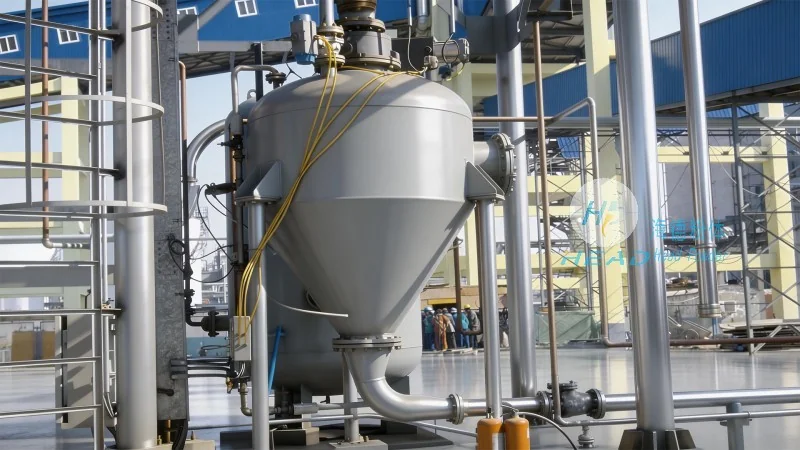
Pneumatic conveying is a widely used technique for transporting fine powders like silica fume. This method utilizes air or gas to move the material through a pipeline. There are two main types: pressure and vacuum systems. Pressure systems push the material forward using compressed air, while vacuum systems draw the material into the system using a vacuum pump. Pneumatic conveying offers advantages such as low maintenance, ability to handle long distances, and minimal product degradation. However, it requires careful control of air flow and pressure to prevent material segregation or blockages. For silica fume, which is highly cohesive and fine, pressure pneumatic systems are often preferred due to their ability to maintain consistent flow and prevent dust emissions.
Mechanical Conveying Systems

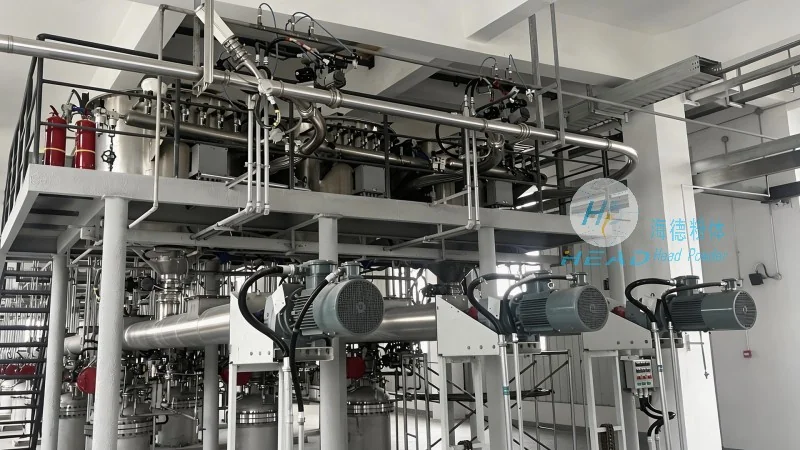
Mechanical conveying methods rely on mechanical components like belts, screws, or buckets to transport silica fume. Screw conveyors are particularly effective for handling bulk materials and are commonly used in silos and storage facilities. They provide a continuous, low-speed transport of the powder, reducing the risk of dust generation. However, screw conveyors may not be suitable for very fine or abrasive materials, as they can cause wear and tear over time. Belt conveyors are another option, especially for horizontal or slight incline transport. They are efficient for moving large volumes of material over short to medium distances. Mechanical conveyors are generally more cost-effective for shorter distances and lower material flow rates compared to pneumatic systems.
Hybrid Conveying Systems
Hybrid systems combine elements of both pneumatic and mechanical conveying to leverage the strengths of each method. For example, a system might use a screw conveyor to feed material into a pneumatic pipeline, or a vacuum-assisted screw conveyor to improve material flow. These hybrid approaches are often used in complex industrial setups where multiple material handling stages are required. They offer flexibility in handling different material properties and can adapt to varying production demands. Hybrid systems are particularly beneficial for large-scale operations that need to integrate multiple conveying stages efficiently.

Key Considerations for Silica Fume Conveying
When selecting a conveying method for silica fume, several factors must be considered to ensure optimal performance and safety. First, the material's properties, such as particle size, moisture content, and bulk density, play a critical role. Silica fume is a fine powder with high surface area, making it prone to dust formation and agglomeration. Therefore, dust control measures, such as sealing systems and filtration, are essential. Second, the distance and layout of the conveying system affect the choice of method. Long-distance transport may favor pneumatic systems due to their ability to handle high volumes over extended distances. Third, operational costs, including energy consumption and maintenance, should be evaluated. Pneumatic systems may have higher energy costs but lower maintenance compared to mechanical systems. Finally, safety considerations, such as explosion-proof designs and material compatibility, are crucial, especially in industrial environments where silica fume is handled in large quantities.
Conclusion
In conclusion, the choice of silica fume conveying method depends on various factors, including material properties, operational requirements, and cost considerations. Pneumatic conveying offers flexibility and efficiency for long-distance transport, while mechanical conveyors are suitable for shorter distances and bulk handling. Hybrid systems provide a balanced approach for complex industrial applications. By understanding the advantages and limitations of each method, manufacturers can select the most appropriate conveying system to ensure reliable, efficient, and safe handling of silica fume. This not only enhances production efficiency but also contributes to the overall quality and performance of concrete products.