

How to Design a Reasonable Ceramic Powder Pneumatic Conveying System Plan?
When designing a pneumatic conveying system for ceramic powders, several critical factors must be considered to ensure efficiency, reliability, and cost-effectiveness. The first step involves a thorough analysis of the ceramic powder's physical properties, such as particle size distribution, moisture content, and bulk density. These characteristics directly influence the choice of conveying method—whether it's a dilute-phase, dense-phase, or hybrid system. For instance, fine ceramic powders with low bulk density may require a high-velocity dilute-phase system to maintain flow, while coarser particles might benefit from a low-velocity dense-phase system to minimize particle degradation.
Key Design Elements for Optimal Performance
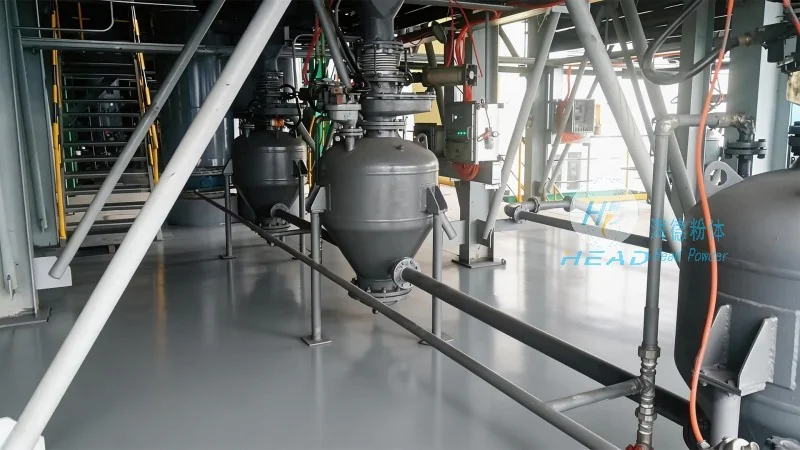
HeadPowder, a leading engineering firm based in Shandong, China, emphasizes that the selection of equipment is paramount. This includes the type of blower or compressor, which must be matched to the system's pressure and flow requirements. For ceramic powders, which can be abrasive, the material of construction for the conveying lines is critical. Stainless steel or specialized alloys are often preferred to prevent wear and contamination. Additionally, the design of the hopper and feeder is essential to prevent material bridging and ensure consistent feed rates. A well-designed feeder, such as a rotary valve or screw feeder, can maintain a stable flow, reducing system downtime and improving overall throughput.
System Layout and Integration
The layout of the pneumatic conveying system must be carefully planned to minimize pressure losses and energy consumption. This involves optimizing the length and diameter of the conveying lines, as well as the placement of bends and fittings. For long-distance conveying, a combination of horizontal and vertical sections may be necessary, requiring additional equipment like vertical lifters or cyclone separators to maintain pressure. The integration of the system with existing processes, such as storage silos or processing equipment, is also a key consideration. Properly designed connections ensure seamless material transfer, avoiding bottlenecks that could impact production efficiency.
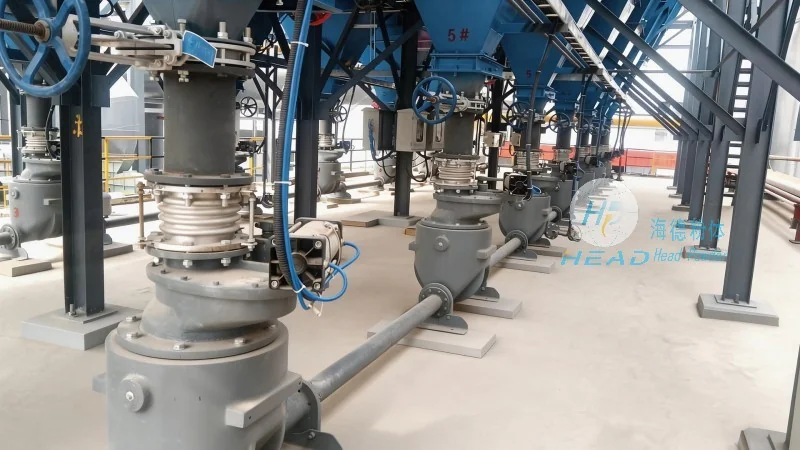
Control and Monitoring Strategies
Advanced control systems are essential for maintaining the stability and efficiency of a ceramic powder pneumatic conveying system. These systems typically include pressure sensors, flow meters, and level indicators to monitor key parameters in real time. Automated controls can adjust the blower speed or feed rate based on changes in material conditions, ensuring optimal performance under varying loads. Additionally, the implementation of safety features, such as pressure relief valves and emergency shut-off systems, is crucial to prevent accidents and protect personnel and equipment.
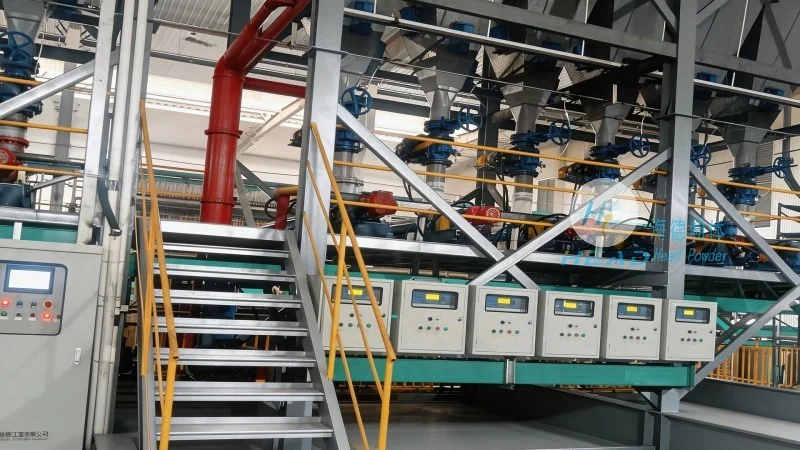
Case Study: Successful Implementation by HeadPowder
Shandong HeadPowder Engineering Co., Ltd. has successfully designed and implemented numerous ceramic powder pneumatic conveying systems for clients in China. One notable project involved a high-purity alumina powder transfer system for a ceramics manufacturing plant. The system was designed to handle fine particles with a high degree of precision, minimizing particle degradation and ensuring consistent quality. By selecting a dense-phase conveying method and using specialized wear-resistant materials for the pipeline, the system achieved a throughput of 10 tons per hour with minimal maintenance. The client reported a 20% reduction in energy consumption and a significant decrease in material loss compared to traditional methods.