Chuyên sâu trong lĩnh vực vật liệu rời công nghiệp, cung cấp giải pháp môi trường thông minh tích hợp cho phối trộn tự động, cấp liệu tập trung, khử lưu huỳnh và khử nitơ khô!
When it comes to the transportation of zinc calcine, selecting the right conveying method is crucial for ensuring efficiency, safety, and cost-effectiveness in industrial operations. Zinc calcine, a byproduct from the zinc smelting process, requires specialized handling due to its chemical properties and physical characteristics. The choice of conveying method directly impacts the overall performance of the production line, affecting factors such as material flow rate, energy consumption, and equipment maintenance. This article provides a detailed comparison of common zinc calcine conveying methods, highlighting their advantages and disadvantages to help industrial operators make informed decisions.
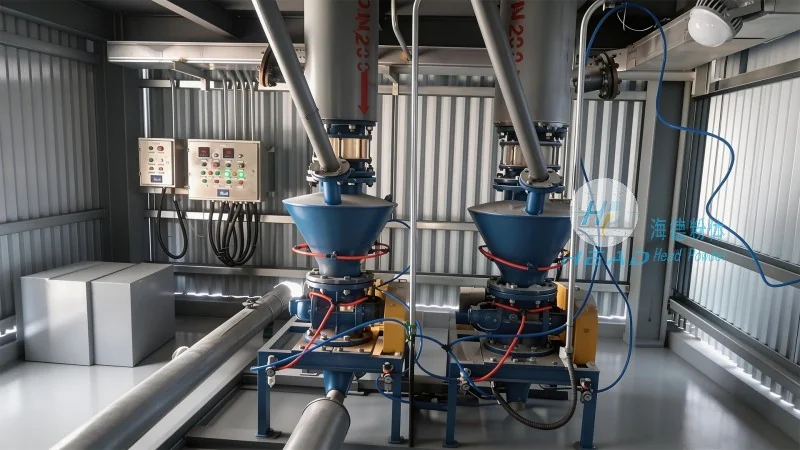
Overview of Zinc Calcine and Conveying Challenges
Zinc calcine, also known as zinc oxide or zinc ferrite, is a solid material produced during the roasting or calcination stage of zinc ore processing. It typically contains zinc oxide, iron oxide, and other impurities, with a particle size ranging from fine powders to coarse granules. The material is often hot and abrasive, posing challenges for conventional conveying systems. Common issues include material buildup, clogging, and equipment wear, which can lead to operational downtime and increased maintenance costs. Therefore, selecting an appropriate conveying method is essential to mitigate these challenges and maintain smooth production.
Belt Conveyors: Traditional and Versatile
Belt conveyors are one of the most widely used methods for transporting bulk materials, including zinc calcine. They consist of a continuous belt that moves over rollers or pulleys, carrying the material from one point to another. The primary advantage of belt conveyors is their ability to handle large volumes of material over long distances with relatively low energy consumption. They are also suitable for transporting hot materials, as the belt can be made of heat-resistant materials like rubber or PVC. However, belt conveyors have limitations when dealing with fine powders, as they may experience clogging and material spillage. Additionally, they require regular maintenance to prevent belt wear and tear, which can be costly over time.
Pneumatic Conveying Systems: Air-Driven Solutions
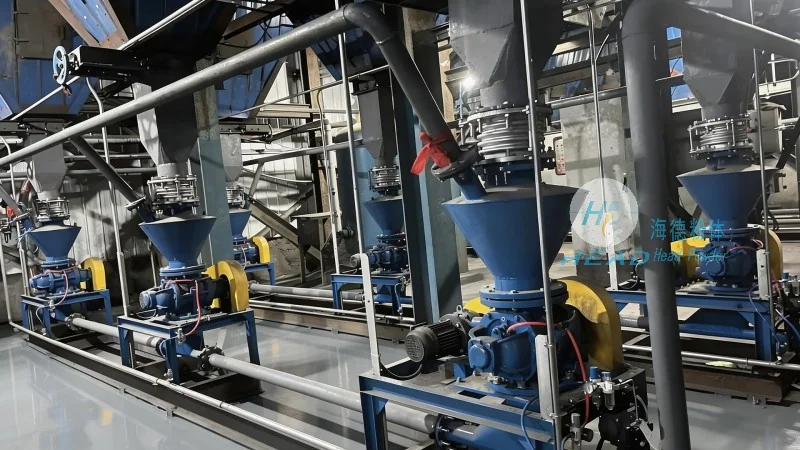
Pneumatic conveying systems use air pressure or vacuum to transport zinc calcine through a pipeline. This method is particularly effective for fine powders and can handle materials that are difficult to convey with mechanical systems. The main advantage of pneumatic conveying is its ability to transport materials over long distances without the need for multiple transfer points. It also reduces the risk of material contamination and can be integrated with other processing equipment. However, pneumatic systems have higher energy consumption compared to belt conveyors, as they require significant air pressure to move the material. Additionally, they may experience pressure drops and material segregation, which can affect the quality of the transported material.
Screw Conveyors: Compact and Reliable
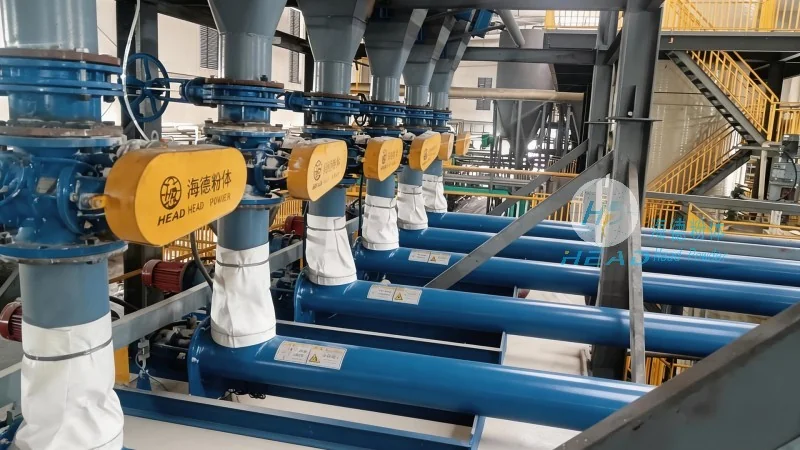
Screw conveyors, also known as auger conveyors, use a rotating screw to move material along a trough. They are suitable for transporting bulk materials with moderate to high bulk density, such as zinc calcine. The primary advantage of screw conveyors is their compact design, which saves space in industrial facilities. They are also relatively simple to install and maintain, with fewer moving parts compared to other systems. However, screw conveyors have limitations when dealing with fine powders, as they may experience clogging and material buildup in the screw. Additionally, they are not suitable for transporting hot materials, as the screw and trough can be damaged by high temperatures.
Hydraulic Conveying: High-Pressure Solutions
Hydraulic conveying systems use high-pressure fluid to transport zinc calcine through a pipeline. This method is particularly effective for abrasive materials, as the fluid can reduce wear and tear on the pipeline and equipment. The main advantage of hydraulic systems is their ability to handle high volumes of material with high pressure, making them suitable for long-distance transportation. However, hydraulic systems have higher initial costs and require specialized maintenance, as they involve complex fluid systems. Additionally, they may experience fluid leaks and pressure fluctuations, which can affect the stability of the conveying process.
Factors to Consider When Choosing a Conveying Method
When selecting a zinc calcine conveying method, several factors must be considered to ensure the best fit for the specific application. These factors include the material characteristics (such as particle size, bulk density, and moisture content), the distance and elevation changes, the required flow rate, and the available space and budget. Additionally, the environmental and safety considerations, such as dust control and material containment, should be taken into account. By evaluating these factors, industrial operators can choose the most suitable conveying method that balances efficiency, cost, and operational requirements.
Conclusion: Selecting the Right Conveying Method for Zinc Calcine
Choosing the appropriate zinc calcine conveying method is a critical decision for industrial operations, as it directly impacts the overall performance and profitability of the production line. Each conveying method has its own advantages and disadvantages, and the best choice depends on the specific requirements of the application. Belt conveyors are versatile and cost-effective for bulk material transport, while pneumatic systems are ideal for fine powders. Screw conveyors offer compact solutions for moderate bulk density materials, and hydraulic systems provide high-pressure solutions for abrasive materials. By carefully evaluating the material characteristics, operational requirements, and budget constraints, industrial operators can select the most suitable conveying method to ensure efficient and reliable zinc calcine transportation. Shandong HeadPowder Engineering Co., Ltd., a leading provider of industrial conveying solutions, offers a range of customized conveying systems tailored to meet the specific needs of zinc calcine processing facilities.

 Shandong Headpowder Engineering Co., Ltd.
 156-6277-7102(Quản lý Trương)
  0531-83386006
  Thành phố Tế Nam, Tỉnh Sơn Đông, Trung Quốc
Điện thoại
WeChatTư vấn
Lên đầu