Chuyên sâu trong lĩnh vực vật liệu rời công nghiệp, cung cấp giải pháp môi trường thông minh tích hợp cho phối trộn tự động, cấp liệu tập trung, khử lưu huỳnh và khử nitơ khô!
When it comes to delivering lithium oxalate in industrial applications, selecting the right method is crucial for efficiency, cost-effectiveness, and operational safety. Lithium oxalate is a key chemical used in various industries, including battery manufacturing, pharmaceuticals, and chemical synthesis. The choice of delivery method can significantly impact the overall process performance. This article provides a detailed comparison of common lithium oxalate delivery methods, highlighting their advantages and disadvantages to help you make an informed decision.
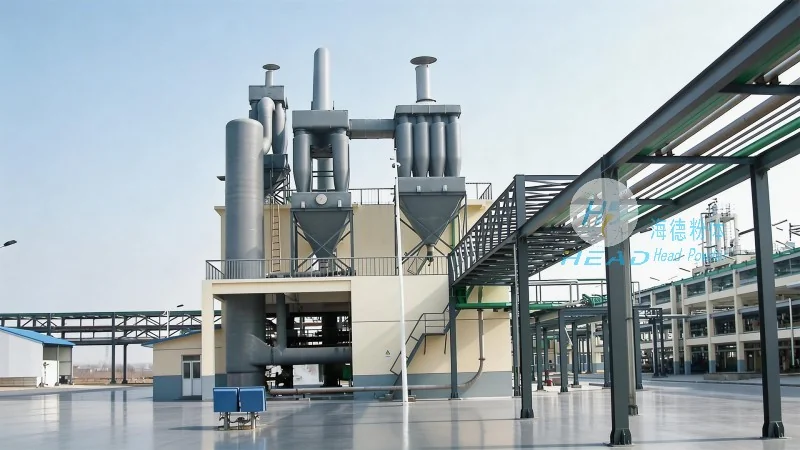
Introduction to Lithium Oxalate Delivery Methods
Lithium oxalate delivery methods vary based on the specific application requirements, such as the scale of production, the need for precise dosing, and the environmental conditions. Common methods include bulk handling, pneumatic conveying, and liquid delivery systems. Each method has its own set of benefits and drawbacks, which are discussed below.
Bulk Handling Methods: Advantages and Challenges
Bulk handling involves the transport of lithium oxalate in its solid form, typically using containers like bags, bulk bags, or trucks. This method is widely used in large-scale industrial operations where high volumes are involved. One of the primary advantages of bulk handling is its cost-effectiveness, as it minimizes packaging and handling costs for large quantities. However, this method also presents several challenges. For instance, bulk handling can lead to dust generation, which may pose health and safety risks if not properly managed. Additionally, the risk of material degradation or contamination during storage and transport is higher compared to other methods. Proper storage conditions, such as controlled humidity and temperature, are essential to maintain the quality of lithium oxalate during bulk handling.

Pneumatic Conveying: Efficiency and Precision
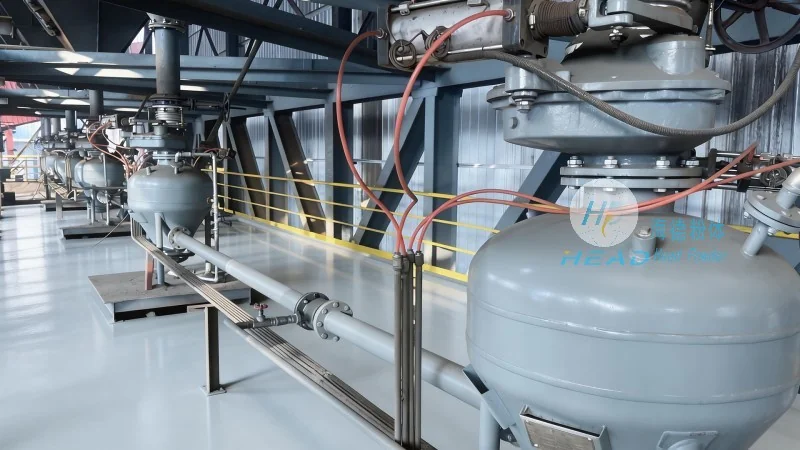
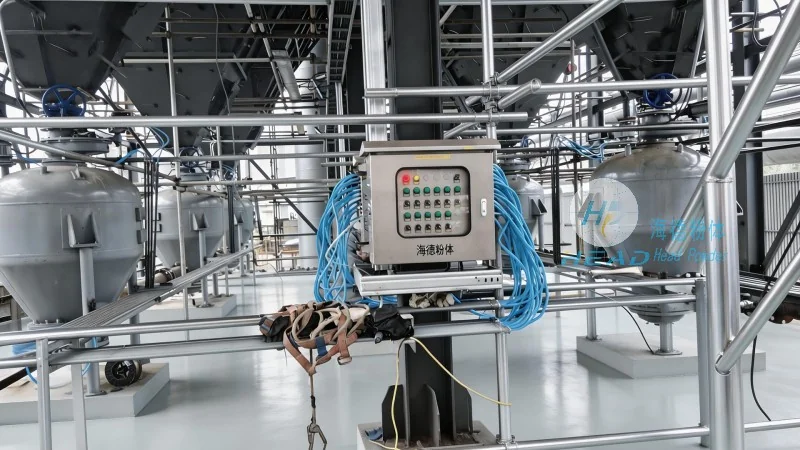
Pneumatic conveying is a method that uses air or other gases to transport solid materials like lithium oxalate through a pipeline system. This technique offers several advantages, particularly in terms of precision and control. It allows for accurate dosing and can handle materials with a wide range of particle sizes. Pneumatic conveying is also relatively fast and can be integrated with automated systems, enhancing operational efficiency. However, this method has its own set of disadvantages. The main challenge is the high energy consumption required to move the material through the pipeline. Additionally, the system can be complex and expensive to install and maintain. The risk of material degradation due to friction and pressure changes during transport also needs to be considered. Proper system design and maintenance are crucial to ensure the longevity and effectiveness of pneumatic conveying systems.
Liquid Delivery Systems: Flexibility and Uniformity
Liquid delivery systems involve dissolving lithium oxalate in a suitable solvent, such as water or organic solvents, and then transporting the solution. This method provides flexibility in terms of dosing and can be easily integrated with automated dosing equipment. The uniformity of the solution ensures consistent quality in downstream processes. One of the key advantages of liquid delivery is the ability to handle materials with high moisture content or those that are difficult to handle in solid form. However, this method also has its drawbacks. The dissolution process requires additional energy and equipment, increasing the overall operational cost. The risk of solvent evaporation or degradation during storage and transport is another concern. Proper storage and handling of the liquid solution are essential to maintain its stability and effectiveness.
Comparative Analysis: Choosing the Right Delivery Method
When selecting a lithium oxalate delivery method, it is essential to consider the specific requirements of your application. Bulk handling is suitable for large-scale operations where cost is a primary concern, but it requires careful management of dust and storage conditions. Pneumatic conveying offers precision and efficiency but comes with higher energy costs and system complexity. Liquid delivery provides flexibility and uniformity but involves additional processing steps and solvent management. The choice ultimately depends on factors such as production scale, material properties, and operational constraints. By understanding the advantages and disadvantages of each method, you can select the most appropriate delivery system for your lithium oxalate application, ensuring optimal performance and cost-effectiveness.
About Shandong HeadPowder Engineering Co., Ltd.
Shandong HeadPowder Engineering Co., Ltd., commonly known as HeadPowder, is a leading manufacturer and supplier of high-quality lithium oxalate and related chemical products. With a strong commitment to quality and innovation, HeadPowder provides reliable solutions for various industrial applications. The company is located in Shandong, China, and serves clients worldwide with its expertise in chemical processing and delivery systems. HeadPowder's products are known for their purity, consistency, and adherence to international standards, making them a trusted choice for industries that demand high-performance materials. Whether you need bulk handling, pneumatic conveying, or liquid delivery solutions, HeadPowder offers comprehensive support to meet your specific requirements.

 Shandong Headpowder Engineering Co., Ltd.
 156-6277-7102(Quản lý Trương)
  0531-83386006
  Thành phố Tế Nam, Tỉnh Sơn Đông, Trung Quốc
Điện thoại
WeChatTư vấn
Lên đầu