Chuyên sâu trong lĩnh vực vật liệu rời công nghiệp, cung cấp giải pháp môi trường thông minh tích hợp cho phối trộn tự động, cấp liệu tập trung, khử lưu huỳnh và khử nitơ khô!
When it comes to the transportation of calcium sulfate, various methods are employed in industrial settings. Understanding the advantages and disadvantages of each method is crucial for selecting the most suitable option based on specific operational requirements. This article provides an overview of common calcium sulfate transport methods, focusing on their characteristics, benefits, and limitations. The choice of transport method depends on factors such as material properties, distance to be covered, required flow rate, and environmental considerations. By evaluating these aspects, industries can optimize their calcium sulfate handling processes and enhance overall operational efficiency.
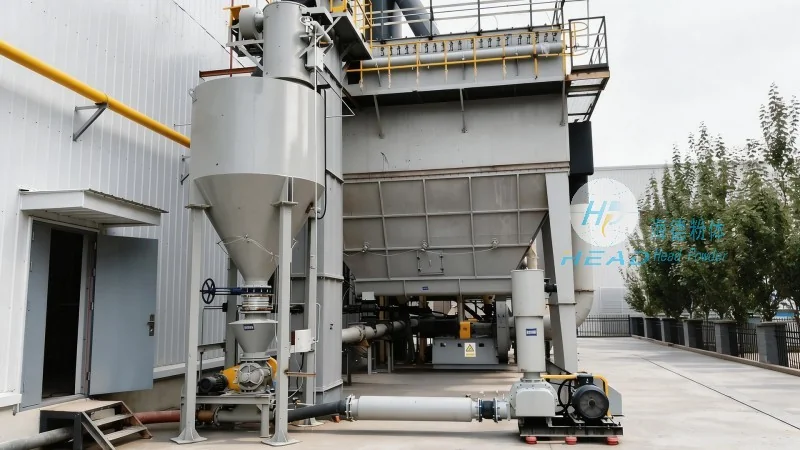
Pneumatic Conveying Systems for Calcium Sulfate
Pneumatic conveying is a widely used technique for transporting calcium sulfate, particularly in applications where the material is in powder form. This method involves the use of air or other gases to create a flow of material through a pipeline. The primary advantage of pneumatic conveying is its ability to handle fine powders and abrasive materials without causing excessive wear on equipment. The enclosed pipeline design also minimizes dust emissions, making it an environmentally friendly option. Additionally, pneumatic conveying allows for the transportation of materials over long distances with minimal intermediate handling points. However, this method requires significant energy input to generate the necessary air pressure, which can increase operational costs. The system is also susceptible to blockages if the material has high moisture content or is too coarse, leading to potential downtime and maintenance issues. Furthermore, the initial investment for a pneumatic conveying system is higher compared to other methods, and ongoing maintenance of the air handling components is necessary to ensure reliable operation.
Screw Conveyors for Calcium Sulfate Handling
Screw conveyors are another common method for transporting calcium sulfate, especially in applications where the material is in a bulk or granular form. These systems utilize a rotating screw (helix) to move material through a trough or tube. The main advantage of screw conveyors is their simplicity and low maintenance requirements. They are relatively inexpensive to install and operate, making them a cost-effective solution for many industrial applications. Screw conveyors also provide a continuous and controlled flow of material, which is beneficial for processes that require consistent feed rates. This method is particularly suitable for materials with moderate to high flowability, as the screw can effectively move the material without causing excessive friction or heat generation. However, screw conveyors have limitations when handling very fine powders, as the screw can cause the material to heat up and degrade. Additionally, they have a limited vertical lifting capacity and may not be suitable for transporting materials over long horizontal distances without additional components like incline sections or multiple screw sections.

Gravity Flow Systems for Calcium Sulfate Transport
Gravity flow systems rely on the natural force of gravity to move calcium sulfate from a higher elevation to a lower one. This method is often used for bulk materials with a relatively free-flowing nature and is commonly integrated with hoppers or chutes. The primary advantage of gravity flow is its low energy consumption, as it does not require any mechanical power. It is also a cost-effective solution for short-distance transport and can handle large volumes of material with minimal maintenance. Gravity flow systems are particularly suitable for materials that are not prone to dust generation or clogging, as the enclosed design reduces the risk of environmental contamination. However, this method is limited by the need for a suitable slope and elevation change, and it is not suitable for fine powders or materials with poor flow characteristics. Additionally, gravity flow systems may require additional equipment, such as vibrators or chutes, to prevent material bridging or clogging, which can increase operational complexity and potential maintenance needs.
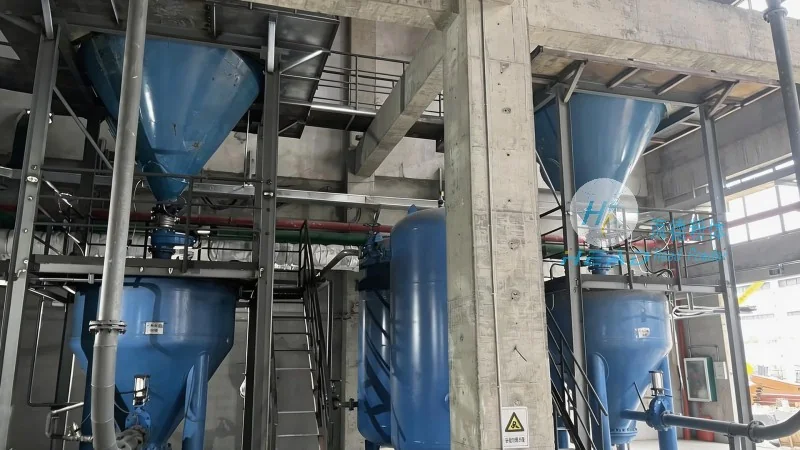
HeadPowder Engineering: Expertise in Calcium Sulfate Handling Solutions
Shandong HeadPowder Engineering Co., Ltd. is a leading provider of calcium sulfate handling solutions, specializing in the design and implementation of efficient transport systems. With a strong focus on customer needs and operational efficiency, HeadPowder offers customized solutions tailored to the unique requirements of each project. The company’s team of experienced engineers and technicians work closely with clients to assess their material properties, transport distances, and operational constraints, ensuring that the recommended system is both effective and cost-efficient. HeadPowder’s expertise extends to various transport methods, including pneumatic conveying, screw conveyors, and gravity flow systems, allowing them to provide comprehensive solutions that address all aspects of calcium sulfate handling. By leveraging advanced technology and robust design principles, HeadPowder ensures that its systems are reliable, durable, and compliant with industry standards. The company’s commitment to quality and customer satisfaction has made it a trusted partner for industries relying on calcium sulfate in their production processes. Whether for construction materials, industrial chemicals, or other applications, HeadPowder provides the expertise and equipment needed to optimize calcium sulfate transportation and processing.

 Shandong Headpowder Engineering Co., Ltd.
 156-6277-7102(Quản lý Trương)
  0531-83386006
  Thành phố Tế Nam, Tỉnh Sơn Đông, Trung Quốc
Điện thoại
WeChatTư vấn
Lên đầu