Chuyên sâu trong lĩnh vực vật liệu rời công nghiệp, cung cấp giải pháp môi trường thông minh tích hợp cho phối trộn tự động, cấp liệu tập trung, khử lưu huỳnh và khử nitơ khô!
Sodium phosphate is a widely used chemical in various industrial applications, including food processing, water treatment, and pharmaceutical manufacturing. The efficient and safe delivery of this chemical is crucial for maintaining production efficiency and ensuring product quality. This article provides a detailed comparison of common sodium phosphate delivery methods, highlighting their advantages and disadvantages to help industrial operators make informed decisions.

Company Profile: Shandong HeadPowder Engineering Co., Ltd.
As a leading manufacturer in the chemical industry, Shandong HeadPowder Engineering Co., Ltd. specializes in the production and supply of high-quality sodium phosphate products. With a strong commitment to innovation and customer satisfaction, HeadPowder offers a range of solutions tailored to meet the diverse needs of industrial clients. The company's expertise in chemical processing and delivery systems ensures that customers receive reliable and effective products for their operations.
Common Sodium Phosphate Delivery Methods
There are several common methods used to transport sodium phosphate from storage to processing equipment. Each method has its own set of advantages and disadvantages, which are important to consider based on the specific requirements of the application.

1. Positive Pressure Pumping
Positive pressure pumping is a widely used method for delivering sodium phosphate. This approach involves using a pump to apply pressure to the liquid, forcing it through the delivery system. The primary advantage of this method is its ability to handle viscous or high-density solutions, ensuring consistent flow rates even in challenging conditions. Additionally, positive pressure pumping can maintain a continuous flow, reducing the risk of product degradation or contamination. However, this method requires regular maintenance of the pump and associated equipment to prevent wear and tear. It also necessitates proper sealing to avoid leaks, which can lead to safety hazards and environmental concerns.
2. Negative Pressure Suction

Negative pressure suction, also known as vacuum-assisted delivery, is another common method for transporting sodium phosphate. This technique uses a vacuum to draw the liquid from the storage tank to the processing equipment. The main advantage of this method is its simplicity and low initial cost, as it does not require a dedicated pump. It is particularly useful for applications where the storage tank is located at a higher elevation than the processing equipment. However, negative pressure suction has limitations in terms of flow rate and pressure, making it less suitable for high-viscosity or high-density solutions. Additionally, the system is more susceptible to air intake, which can introduce impurities and affect product quality.
3. Gravity Flow
Gravity flow is a passive method of delivering sodium phosphate, relying on the natural force of gravity to move the liquid from the storage tank to the processing equipment. This method is simple and cost-effective, with no need for pumps or additional power sources. The primary advantage is its low operational cost and minimal maintenance requirements. However, gravity flow is only suitable for applications where the storage tank is located at a sufficient height above the processing equipment to ensure adequate flow. It is not suitable for low-viscosity or high-density solutions, as the flow rate may be insufficient to meet production demands. Additionally, this method is prone to fluctuations in flow rate due to changes in tank level or temperature.
4. Pneumatic Conveying
Pneumatic conveying uses compressed air to transport sodium phosphate as a dry powder or fine granules. This method is particularly effective for handling dry sodium phosphate products, as it can transport materials over long distances without the need for large storage tanks. The main advantage is its ability to handle bulk quantities efficiently and reduce the risk of product contamination. However, pneumatic conveying requires high air pressure and can be energy-intensive. It also has limitations in terms of particle size and moisture content, as overly wet or large particles may cause blockages in the system. Additionally, the system may generate dust, which requires proper ventilation and filtration to ensure safety and compliance with environmental regulations.
5. Hydraulic Conveying
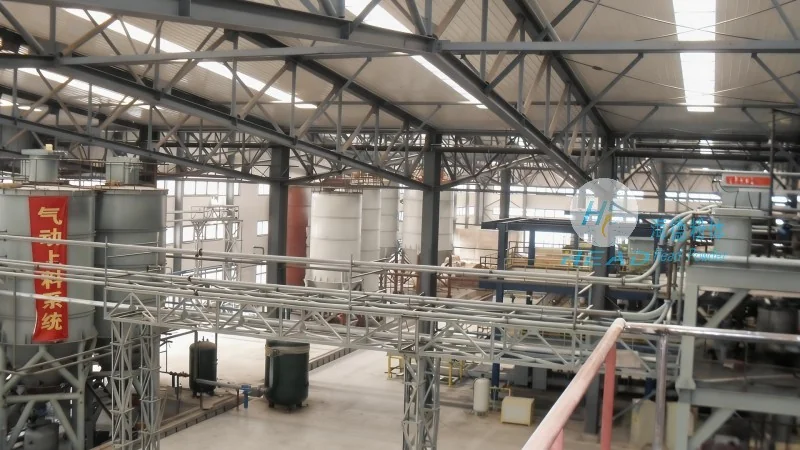
Hydraulic conveying, also known as slurry pumping, involves mixing sodium phosphate with water to create a slurry, which is then pumped through the delivery system. This method is commonly used for high-viscosity or high-density solutions, such as concentrated sodium phosphate. The primary advantage is its ability to handle difficult-to-pump materials and maintain consistent flow rates. However, hydraulic conveying requires additional water and energy for slurry preparation, increasing operational costs. It also necessitates proper filtration to prevent clogging of the pump and pipes. The system is also more complex to maintain, as it involves additional components like mixers and filters.
Conclusion and Recommendations
Choosing the appropriate sodium phosphate delivery method depends on several factors, including the physical properties of the product, the distance to be transported, the required flow rate, and the available infrastructure. Positive pressure pumping is generally recommended for high-viscosity or high-density solutions, while negative pressure suction is suitable for simpler applications with lower flow requirements. Gravity flow is ideal for applications with sufficient elevation differences, and pneumatic conveying is preferred for dry powder handling. Hydraulic conveying is best suited for concentrated solutions that require consistent flow.
Shandong HeadPowder Engineering Co., Ltd. offers a range of sodium phosphate products and delivery solutions tailored to meet the specific needs of industrial clients. By understanding the advantages and disadvantages of each delivery method, operators can select the most effective and efficient system for their operations, ensuring optimal performance and product quality.

 Shandong Headpowder Engineering Co., Ltd.
 156-6277-7102(Quản lý Trương)
  0531-83386006
  Thành phố Tế Nam, Tỉnh Sơn Đông, Trung Quốc
Điện thoại
WeChatTư vấn
Lên đầu