

Comparison of Common Organic Fertilizer Transport Methods: Advantages and Disadvantages
Organic fertilizer is a crucial component in modern agricultural practices, providing essential nutrients to soil and promoting sustainable crop growth. The efficient transport of these fertilizers from production sites to application areas is vital for maximizing their effectiveness and minimizing environmental impact. Various methods are employed for this purpose, each with distinct advantages and disadvantages that influence their suitability for different agricultural settings and operational requirements.
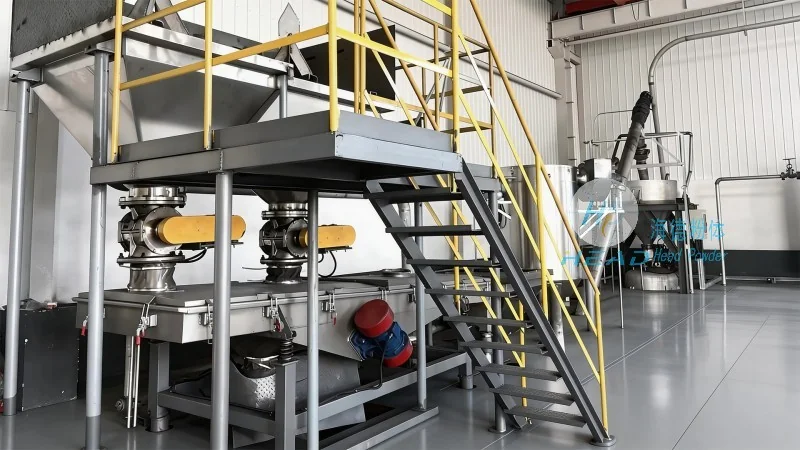
Company Overview: Shandong HeadPowder Engineering Co., Ltd.
Shandong HeadPowder Engineering Co., Ltd., a leading provider in the field, specializes in the design, manufacturing, and implementation of advanced fertilizer handling and transport solutions. With a focus on innovation and customer-centric approaches, the company delivers tailored systems that meet the diverse needs of agricultural operations. HeadPowder's expertise spans the entire spectrum of organic fertilizer processing and distribution, ensuring that clients benefit from reliable, efficient, and environmentally responsible technologies. The company's facilities are located in Shandong, China, where it leverages local resources and industry knowledge to develop cutting-edge solutions for the global agricultural market.

Common Organic Fertilizer Transport Methods
Several methods are widely used for transporting organic fertilizers, each offering unique benefits and challenges. The selection of a particular method depends on factors such as the type of fertilizer, the distance to be covered, the scale of operation, and the environmental considerations of the agricultural enterprise. Below is a detailed comparison of the most common transport approaches.
Pneumatic Conveying Systems
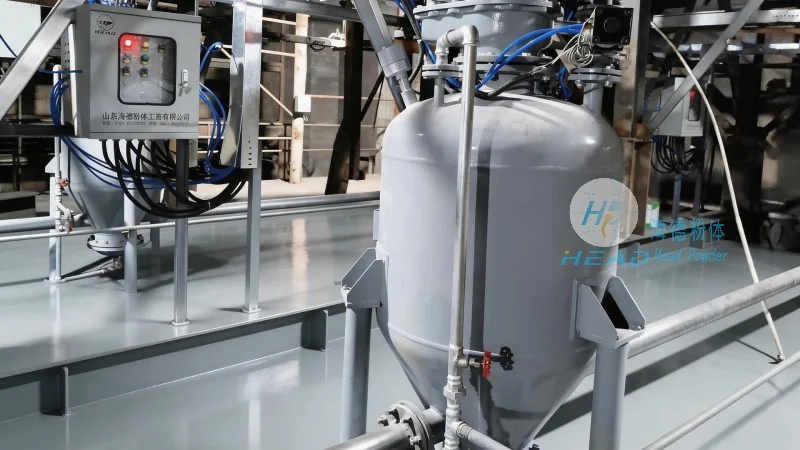
Pneumatic conveying is a popular method for transporting organic fertilizers, particularly in bulk and granular forms. This technology utilizes air pressure to move materials through a network of pipes. The system operates by creating a pressure differential, either by blowing air (positive pressure) or by creating a vacuum (negative pressure), to propel the fertilizer from the source to the destination. Advantages of pneumatic conveying include high efficiency, the ability to transport materials over long distances, and the option to handle a wide range of particle sizes. It is particularly effective for powders and granules that are free-flowing. However, the system requires significant energy input to maintain air pressure, which can increase operational costs. Additionally, the equipment is complex and may need regular maintenance to ensure optimal performance. The initial investment for a pneumatic conveying system is relatively high, making it less suitable for small-scale operations or those with limited budgets. Another drawback is the potential for material degradation due to friction and exposure to air, which can affect the quality of the fertilizer over time.
Truck and Bulk Transport
Bulk transport via trucks is a conventional and widely adopted method for moving organic fertilizers. This approach involves loading the fertilizer into large trucks, typically in bulk containers or trailers, and transporting it to the farm or application site. The primary advantage of truck transport is its flexibility and ability to reach remote or rural areas where other infrastructure may be limited. It is particularly useful for transporting large quantities of fertilizer over short to medium distances. The method is relatively simple and does not require specialized equipment, making it accessible to a broad range of agricultural operations. However, truck transport has several significant drawbacks. The most notable is the high cost associated with fuel and labor, which can increase operational expenses. The method is also less efficient in terms of energy consumption compared to other options, contributing to higher carbon emissions. Furthermore, it may lead to increased wear and tear on the fertilizer particles, potentially reducing their effectiveness. The logistics of coordinating truck routes and schedules can also be challenging, especially for large-scale operations. Another concern is the environmental impact, as trucks contribute to air pollution and noise pollution in rural areas. The method is also less suitable for transporting materials that are highly sensitive to moisture or temperature changes, as the open or semi-enclosed nature of the trucks may expose the fertilizer to adverse conditions.

Slurry and Liquid Transport
For organic fertilizers in slurry or liquid form, specialized transport methods are often employed. Slurry transport typically involves pumping the liquid fertilizer through pipelines or hoses to the application site. This method is highly efficient for liquids, as it allows for continuous and uninterrupted flow. The primary advantage of slurry transport is its ability to handle viscous materials without the need for mechanical agitation, reducing the risk of clogging or equipment damage. It is particularly effective for manure-based fertilizers, which are often in a slurry state. However, the system requires robust pumping equipment and well-maintained pipelines to ensure consistent flow. The initial investment for slurry transport infrastructure can be substantial, and the maintenance costs are higher compared to other methods. Another drawback is the potential for leakage or spillage, which can lead to environmental contamination and increased operational risks. The method is also less suitable for transporting solid or granular materials, as the equipment is designed specifically for liquids. Additionally, the storage and handling of liquid fertilizers require careful management to prevent degradation or loss of nutrients.