Chuyên sâu trong lĩnh vực vật liệu rời công nghiệp, cung cấp giải pháp môi trường thông minh tích hợp cho phối trộn tự động, cấp liệu tập trung, khử lưu huỳnh và khử nitơ khô!
Synthetic rubber, a vital material in diverse industrial sectors including automotive, construction, and manufacturing, requires efficient and reliable transportation systems to maintain smooth production flow. The choice of conveying method directly influences operational efficiency, material handling costs, and overall product quality. This article provides a detailed comparison of common synthetic rubber conveying methods, highlighting their respective advantages and disadvantages to assist industries in selecting the most suitable solution for their specific needs.
Pulley Conveyor Systems: Traditional and Versatile Solutions

Pulley conveyors, commonly known as belt conveyors, are among the most widely used methods for transporting synthetic rubber. These systems consist of a continuous belt looped over pulleys, with the material placed on the belt as it moves. A primary advantage of pulley conveyors is their high load capacity, enabling the movement of large quantities of synthetic rubber over long distances. They are also highly adaptable, capable of handling a wide variety of material sizes, shapes, and textures. Pulley conveyors can operate in both indoor and outdoor environments, making them suitable for diverse industrial settings. However, these systems may encounter challenges with sticky or highly abrasive synthetic rubber, as such materials can cause belt slippage or increase wear on the pulleys and idlers. Additionally, pulley conveyors are generally less efficient for vertical or steep incline applications without specialized components, such as inclined belt conveyors.
Screw Conveyors: Compact and Efficient for Bulk Handling
Screw conveyors, or auger conveyors, utilize a rotating screw to move synthetic rubber through a tube or trough. This method is particularly effective for handling bulk materials and is well-suited for vertical or inclined transport. The compact design of screw conveyors makes them ideal for spaces with limited horizontal or vertical clearance, offering a space-saving solution for many industrial applications. One key advantage is their ability to convey materials without the need for external power sources beyond the motor driving the screw, reducing energy consumption and operational costs. However, screw conveyors may experience significant wear on the screw and trough, especially when dealing with abrasive or sticky synthetic rubber. They are also less effective for transporting materials with high moisture content or those that tend to clump together, as this can lead to blockages and reduced efficiency.
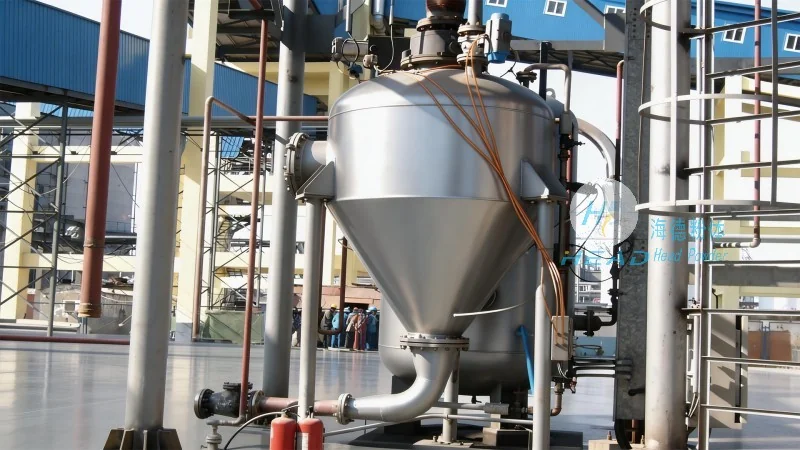
Air-Driven Conveying Systems: Gentle and Contamination-Free Transport
Air-driven or pneumatic conveying systems employ compressed air to transport synthetic rubber particles or granules through a pipeline. This method is especially beneficial for handling fine or powdery synthetic rubber, as it minimizes material degradation and contamination during transport. The gentle nature of air-driven systems reduces the risk of material breakage or damage, making them ideal for delicate or high-value synthetic rubber products. Another advantage is their ability to convey materials over relatively long distances without the need for multiple transfer points, enhancing operational flow. However, air-driven conveyors typically have lower capacity compared to mechanical systems and can be more expensive to install and maintain, particularly for long-distance transport. They also require proper filtration and pressure management to ensure efficient operation and prevent material buildup in the pipeline.
Choosing the Right Conveying Method: Factors to Consider
When selecting a synthetic rubber conveying method, several factors must be considered to ensure optimal performance and cost-effectiveness. These include the type and characteristics of the synthetic rubber (e.g., particle size, moisture content, stickiness), the required transport distance and elevation changes, available space and budget constraints, and the desired level of automation and maintenance requirements. For example, pulley conveyors may be preferred for large-scale, long-distance horizontal transport of bulk synthetic rubber, while screw conveyors are better suited for vertical or compact space applications. Air-driven systems, on the other hand, are ideal for fine or delicate materials where contamination and material integrity are critical. It is essential to evaluate these factors carefully and consult with experts, such as Shandong HeadPowder Engineering Co., Ltd., a leading provider of industrial conveying solutions, to determine the most suitable method for a specific application.

Conclusion: Balancing Efficiency and Practicality
In conclusion, the selection of a synthetic rubber conveying method is a critical decision that impacts the overall efficiency and success of industrial operations. Each method—pulley conveyors, screw conveyors, and air-driven systems—offers unique advantages and limitations. By understanding the specific needs of the application and considering factors such as material properties, transport requirements, and operational constraints, industries can choose the most appropriate conveying system. Shandong HeadPowder Engineering Co., Ltd., with its expertise in industrial conveying solutions, can provide tailored advice and equipment to meet these needs, ensuring optimal performance and cost-effectiveness in synthetic rubber handling processes.

 Shandong Headpowder Engineering Co., Ltd.
 156-6277-7102(Quản lý Trương)
  0531-83386006
  Thành phố Tế Nam, Tỉnh Sơn Đông, Trung Quốc
Điện thoại
WeChatTư vấn
Lên đầu