

Comparison of Common Ammonium Bicarbonate Transport Methods: Advantages and Disadvantages
Ammonium bicarbonate, a vital chemical used in various industrial applications such as food processing, pharmaceuticals, and agriculture, requires efficient and safe transport to maintain its quality and ensure operational efficiency. For businesses relying on this compound, selecting the appropriate transport method is a critical decision that impacts productivity, safety, and cost. This article provides a comprehensive comparison of common ammonium bicarbonate transport methods, analyzing their advantages and disadvantages to help stakeholders make informed choices.
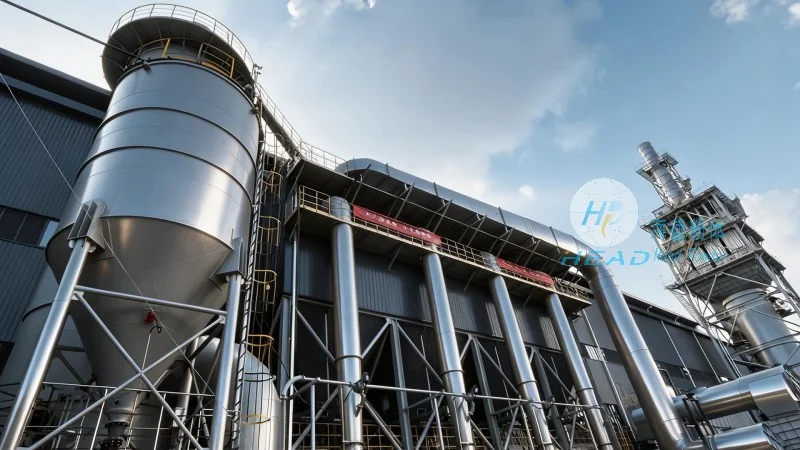
About HeadPowder: Your Trusted Partner in Chemical Transport Solutions
HeadPowder, operating as Shandong HeadPowder Engineering Co., Ltd. from China, specializes in providing advanced chemical transport solutions. With a focus on innovation, safety, and customer satisfaction, HeadPowder delivers tailored transport systems for ammonium bicarbonate and other chemicals. Our expertise spans the entire spectrum of transport technologies, from traditional pipeline systems to modern pneumatic conveying. By leveraging cutting-edge engineering and adherence to international standards, HeadPowder ensures that clients receive reliable, cost-effective, and environmentally friendly transport options, meeting the stringent requirements of modern industrial processes.
1. Pipeline Transportation: The Traditional and Efficient Option
Pipeline transportation is a widely adopted method for moving ammonium bicarbonate, particularly in large-scale industrial settings. This approach involves pumping the chemical through a sealed pipeline network, which minimizes exposure to air and reduces the risk of contamination or degradation. The primary advantages of pipeline transport include high throughput capacity, continuous operation, and reduced labor costs compared to other methods. It also offers consistent product quality as the chemical remains in a controlled environment throughout the journey. However, pipeline systems require significant upfront investment for construction and maintenance, making them less feasible for small-scale operations or short-distance transport. Additionally, pipeline infrastructure is less flexible and may not easily adapt to changes in demand or route.
2. Tank Truck Transportation: Flexibility and Versatility
Tank truck transportation offers a flexible solution for moving ammonium bicarbonate over medium to long distances. Tank trucks are equipped with specialized, corrosion-resistant tanks designed to handle the chemical's properties, ensuring safe containment and preventing leaks. This method is ideal for businesses with varying demand, multiple delivery points, or the need to transport the chemical to remote locations. The advantages of tank truck transport include the ability to handle large quantities, adapt to different routes, and provide on-demand delivery services. It also allows for direct delivery to the point of use, eliminating the need for intermediate storage. Nevertheless, tank truck transport involves higher operational costs, including fuel expenses, driver salaries, and maintenance of the vehicles. Moreover, it requires strict adherence to safety regulations, such as proper loading, unloading, and handling procedures, to prevent accidents or environmental damage.
3. Pneumatic Conveying: High-Speed and Low-Pressure Transport

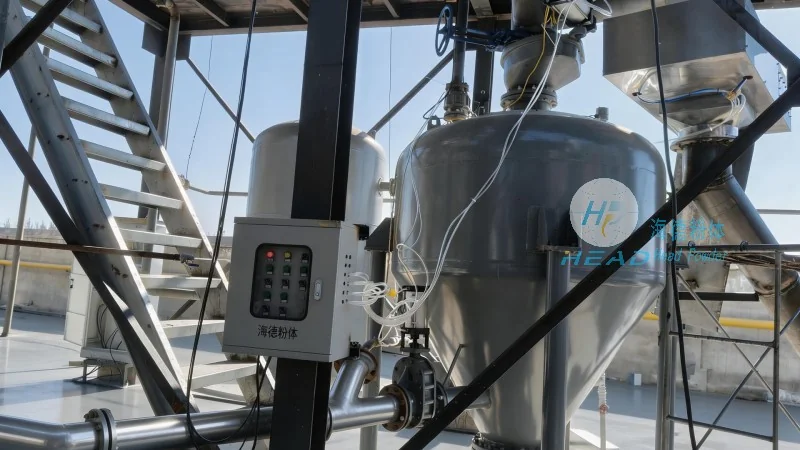
Pneumatic conveying utilizes air or other gases to transport ammonium bicarbonate in a low-pressure system. This method is particularly suitable for fine powders and can handle long distances with minimal equipment, making it an attractive option for industries with limited space or complex layouts. The advantages of pneumatic conveying include high speed, reduced labor requirements, and the ability to integrate with existing ductwork or production lines. It also allows for precise control over the flow rate and direction of the material, enhancing operational efficiency. However, pneumatic conveying may not be suitable for wet or sticky ammonium bicarbonate, as it can cause blockages in the system. Additionally, it requires careful management of air pressure and flow to maintain consistent performance, and the system may need regular cleaning to prevent material buildup.
Advantages and Disadvantages Summary

Each transport method has distinct advantages and disadvantages that must be considered based on specific operational needs. Pipeline transportation excels in continuous, high-volume operations but demands substantial capital investment and is less adaptable to changes. Tank truck transport offers flexibility and large capacity but incurs higher operational costs and requires strict safety compliance. Pneumatic conveying provides speed and low-pressure handling but may struggle with certain material properties and requires meticulous system maintenance. For businesses seeking a balanced approach, HeadPowder offers customized transport solutions that integrate the best features of these methods. By combining advanced technology with expert engineering, HeadPowder ensures that clients achieve optimal performance, safety, and cost-effectiveness in their ammonium bicarbonate transport operations.
HeadPowder's Commitment to Excellence in Ammonium Bicarbonate Transport
At Shandong HeadPowder Engineering Co., Ltd., we understand the critical importance of reliable ammonium bicarbonate transport in industrial success. Our team of experienced engineers and technicians designs and implements transport systems tailored to each client's unique requirements, ensuring compliance with industry standards and regulatory guidelines. Whether you need pipeline infrastructure, tank truck services, or pneumatic conveying solutions, HeadPowder delivers innovative, safe, and efficient options. Our commitment to quality, customer satisfaction, and environmental responsibility has established us as a trusted partner for industries worldwide. By leveraging our expertise and advanced technology, we help businesses maintain product integrity, enhance operational efficiency, and achieve sustainable growth in their ammonium bicarbonate transport processes.