Chuyên sâu trong lĩnh vực vật liệu rời công nghiệp, cung cấp giải pháp môi trường thông minh tích hợp cho phối trộn tự động, cấp liệu tập trung, khử lưu huỳnh và khử nitơ khô!
Plastic powder handling is a critical aspect of industrial operations, especially in sectors such as plastics manufacturing, chemical processing, and material handling. The efficiency and reliability of conveying systems directly impact production throughput, product quality, and operational costs. For manufacturers dealing with plastic powders, selecting the right conveying method is crucial. This article provides a detailed comparison of common plastic powder conveying methods, highlighting their advantages and disadvantages to help industrial professionals make informed decisions.
Introduction to Plastic Powder Conveying
Plastic powders are widely used in various industries due to their versatility and ease of processing. However, their fine particle size and potential for static electricity make them challenging to handle. Conveying systems must be designed to ensure minimal product degradation, prevent contamination, and maintain consistent flow rates. The choice of conveying method depends on factors such as material properties, production scale, environmental conditions, and budget constraints. Understanding the pros and cons of each method is essential for optimizing material handling processes.
1. Screw Conveyors (Auger Conveyors)
Screw conveyors, also known as auger conveyors, are one of the most common and versatile methods for transporting plastic powders. These systems consist of a rotating helical screw inside a cylindrical tube, which moves material from the inlet to the outlet through gravity and mechanical force. The screw's pitch and speed can be adjusted to control the flow rate and prevent material buildup or clogging. HeadPowder specializes in designing and manufacturing high-quality screw conveyors tailored to the specific needs of plastic powder applications. Our screw conveyors are engineered to handle a wide range of plastic powders, including polyethylene, polypropylene, and PVC, with minimal product degradation. The advantages of screw conveyors include their simplicity, low maintenance requirements, and ability to operate in vertical or horizontal configurations. They are particularly suitable for short to medium distance transport and can handle bulk materials efficiently. However, screw conveyors have limitations, such as their susceptibility to clogging with sticky or cohesive powders, and the need for regular cleaning to prevent material accumulation. Additionally, they may not be suitable for high-volume or long-distance transport due to potential wear and tear on the screw and housing.
2. Pneumatic Conveying Systems
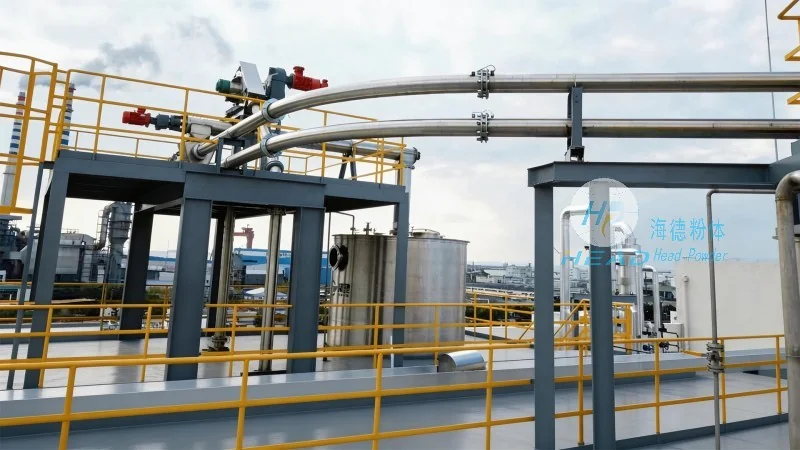
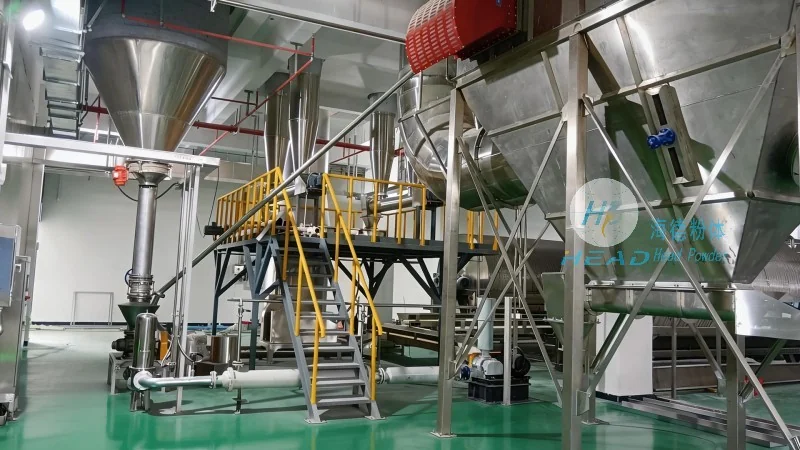
Pneumatic conveying systems use air or other gases to transport plastic powders through a pipeline network. These systems can be categorized into two main types: pressure and vacuum systems. Pressure systems force air and material through the pipeline, while vacuum systems draw material into the system using a vacuum pump. Pneumatic conveying offers several advantages, including the ability to transport materials over long distances, handle fine powders without clogging, and integrate with existing production lines. HeadPowder provides advanced pneumatic conveying solutions designed for plastic powder applications. Our systems are equipped with high-efficiency filters and controls to ensure clean and efficient material transport. The primary advantages of pneumatic conveying include its flexibility in layout, ability to handle abrasive materials, and minimal product contamination. However, pneumatic systems require more complex design and maintenance compared to other methods. They also have higher energy consumption and may not be suitable for very fine or moisture-sensitive powders due to the risk of particle degradation or agglomeration. Additionally, the cost of air compressors and filtration systems can be significant, making them less economical for small-scale operations.

3. Vibratory Conveyors
Vibratory conveyors utilize vibration to move plastic powders along a trough or conveyor belt. These systems consist of a vibrating motor or unbalanced weight that causes the conveyor to oscillate, creating a conveying action. Vibratory conveyors are particularly effective for handling cohesive or sticky powders, as the vibration helps break up agglomerates and maintain a consistent flow. HeadPowder offers custom-designed vibratory conveyors for plastic powder handling, ensuring optimal performance and reliability. The advantages of vibratory conveyors include their ability to handle a wide range of material properties, low energy consumption, and minimal maintenance. They are also suitable for inclined or horizontal transport and can be integrated with other processing equipment. However, vibratory systems may not be suitable for very fine powders, as the vibration can cause particle segregation or degrade product quality. Additionally, the design and installation of vibratory conveyors require specialized knowledge to ensure proper alignment and operation. The cost of vibration motors and the need for regular inspection of the conveyor bed can also add to the overall maintenance costs.
4. Belt Conveyors
Belt conveyors are another common method for transporting plastic powders, especially in bulk handling applications. These systems use a continuous belt that moves material from the inlet to the outlet, supported by rollers or idlers. Belt conveyors are ideal for long-distance transport and high-volume material handling. HeadPowder provides robust belt conveyor solutions designed for plastic powder applications, with features such as adjustable speed and tension control. The advantages of belt conveyors include their high capacity, ability to handle large quantities of material, and suitability for long-distance transport. They are also relatively simple to install and maintain compared to other systems. However, belt conveyors have limitations, such as their susceptibility to material buildup on the belt and the need for regular cleaning to prevent contamination. They may not be suitable for fine powders, as the belt can cause particle segregation or degrade product quality. Additionally, the cost of belts and rollers can be significant, and the system requires more space compared to other conveying methods.
5. Comparison and Selection Criteria
When selecting a plastic powder conveying method, several factors must be considered to ensure optimal performance and cost-effectiveness. The primary criteria include material properties (e.g., particle size, moisture content, stickiness), production scale (e.g., volume and distance), operational environment (e.g., temperature, humidity), and budget constraints. HeadPowder recommends evaluating each method based on these factors to determine the most suitable solution. For example, screw conveyors are ideal for short-distance transport of non-sticky powders, while pneumatic systems are better suited for long-distance or fine powder handling. Vibratory conveyors excel in handling cohesive materials, and belt conveyors are preferred for high-volume bulk transport. By carefully assessing the specific requirements of the application, manufacturers can choose the most efficient and cost-effective conveying system. Additionally, considering the long-term maintenance and operational costs is crucial, as these factors can significantly impact the overall profitability of the operation.
Conclusion
Choosing the right plastic powder conveying method is essential for optimizing industrial processes and ensuring product quality. Each method has its unique advantages and disadvantages, and the selection should be based on a thorough analysis of material properties, production needs, and budget. Shandong HeadPowder Engineering Co., Ltd., with its expertise in plastic powder handling systems, provides customized solutions tailored to the specific requirements of clients. Our team of engineers and technicians works closely with customers to design and implement efficient conveying systems that enhance productivity, reduce costs, and improve overall operational performance. Whether it's a screw conveyor, pneumatic system, or vibratory conveyor, HeadPowder delivers high-quality, reliable solutions that meet the demands of modern industrial applications. By understanding the pros and cons of each method and selecting the appropriate system, manufacturers can achieve efficient and cost-effective plastic powder handling, ensuring smooth operations and consistent product quality.

 Shandong Headpowder Engineering Co., Ltd.
 156-6277-7102(Quản lý Trương)
  0531-83386006
  Thành phố Tế Nam, Tỉnh Sơn Đông, Trung Quốc
Điện thoại
WeChatTư vấn
Lên đầu