Chuyên sâu trong lĩnh vực vật liệu rời công nghiệp, cung cấp giải pháp môi trường thông minh tích hợp cho phối trộn tự động, cấp liệu tập trung, khử lưu huỳnh và khử nitơ khô!
When it comes to handling dust and fly ash in industrial applications, selecting the right conveying method is crucial for efficiency, cost-effectiveness, and operational safety. Shandong HeadPowder Engineering Co., Ltd., a leading provider in the field, offers insights into the common dust and fly ash conveying methods, highlighting their advantages and disadvantages to help industries make informed decisions.
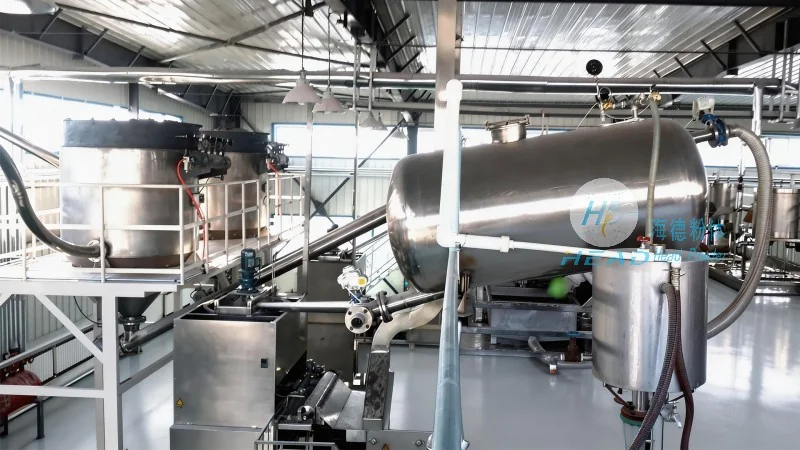
Overview of Dust and Fly Ash Conveying Methods
Dust and fly ash, byproducts of combustion processes in power plants and other industrial facilities, require reliable transportation systems to move them from collection points to disposal or recycling sites. The choice of conveying method depends on factors such as material properties, distance, volume, and environmental regulations. Below, we explore several widely used methods and evaluate their pros and cons.
1. Pneumatic Conveying (Air-Driven)

Pneumatic conveying, also known as air-driven or gas conveying, is a popular method for transporting fine powders like dust and fly ash. This system uses compressed air to move material through a pipeline. The primary advantage of pneumatic conveying is its ability to handle fine, abrasive materials without the need for mechanical components that might wear out quickly. It also allows for a relatively compact system layout, as the material is transported in a closed pipeline, reducing dust emissions and improving safety. However, the disadvantages include higher energy consumption compared to other methods, potential for material degradation if the air velocity is too high, and the need for proper filtration to prevent air pollution. Additionally, the system may not be suitable for very large volumes or high-density materials due to the pressure limitations of the air system.
2. Screw Conveyors (Mechanical)
Screw conveyors, or auger conveyors, use a rotating screw to move material along a trough. This method is ideal for transporting bulk materials with moderate to high bulk density, such as larger particles of dust or fly ash. The main advantage of screw conveyors is their simplicity and low maintenance requirements. They are relatively inexpensive to install and operate, and can handle a wide range of materials without the need for special components. Screw conveyors also provide a continuous, enclosed transport system, which helps in controlling dust and preventing material spillage. The drawbacks include the risk of material degradation due to friction and the screw's rotation, especially for abrasive materials. Additionally, screw conveyors may not be suitable for very fine powders that could clog the screw or for materials with high moisture content, as this can lead to blockages and increased wear.
3. Belt Conveyors (Mechanical)
Belt conveyors use a continuous belt to transport material over rollers or idlers. This method is commonly used for transporting larger quantities of bulk materials, including dust and fly ash, over long distances. The primary advantage of belt conveyors is their high capacity and ability to handle large volumes efficiently. They are also relatively low-cost to install and maintain, and can be easily integrated into existing industrial layouts. Belt conveyors are suitable for both dry and wet materials, and can handle a wide range of particle sizes. However, the disadvantages include the need for a large footprint due to the length and width of the conveyor, which may not be feasible in confined spaces. Additionally, belt conveyors are susceptible to material spillage and require regular maintenance to prevent belt wear and slippage. For fine powders like dust, the risk of dust accumulation and air pollution is higher unless proper sealing and dust control measures are implemented.

4. Hydraulic Conveying

Hydraulic conveying uses water or other liquids to transport materials through a pipeline. This method is particularly effective for transporting wet or slurry materials, such as fly ash mixed with water. The main advantage of hydraulic conveying is its ability to handle high volumes of material with low energy consumption compared to pneumatic systems. It also provides a continuous flow, which can improve process stability. However, the disadvantages include the need for additional equipment to separate the material from the liquid, such as centrifuges or filters, which adds to the operational cost. Hydraulic systems also require regular maintenance to prevent clogging and corrosion, especially when dealing with abrasive materials. Additionally, the disposal of the liquid waste stream can be an environmental concern, requiring proper treatment before release.
5. Vacuum Conveying
Vacuum conveying is a type of pneumatic conveying that uses a vacuum to draw material into a pipeline. This method is suitable for transporting fine powders over short to medium distances. The primary advantage of vacuum conveying is its ability to handle very fine materials without the need for high air velocities, which reduces the risk of material degradation. It also provides a gentle transport process, minimizing the risk of particle breakage. The disadvantages include lower capacity compared to positive pressure systems, as the vacuum pressure is limited. Additionally, vacuum systems may not be suitable for very large volumes or for materials with high moisture content, as the vacuum can cause the material to clump or stick to the pipeline walls. Regular maintenance is also required to prevent clogging and ensure consistent performance.
Conclusion: Choosing the Right Conveying Method
When selecting a dust and fly ash conveying method, industries must consider the specific characteristics of their material, the distance to be covered, and the available budget and space. Pneumatic conveying offers flexibility and enclosed transport but at higher energy costs. Screw and belt conveyors provide simplicity and low maintenance but may not be suitable for fine powders. Hydraulic and vacuum systems offer specialized solutions for wet or fine materials but come with additional operational complexities. Shandong HeadPowder Engineering Co., Ltd. specializes in designing and manufacturing customized conveying systems tailored to the unique needs of each industrial application, ensuring optimal performance and compliance with environmental regulations.

 Shandong Headpowder Engineering Co., Ltd.
 156-6277-7102(Quản lý Trương)
  0531-83386006
  Thành phố Tế Nam, Tỉnh Sơn Đông, Trung Quốc
Điện thoại
WeChatTư vấn
Lên đầu