Chuyên sâu trong lĩnh vực vật liệu rời công nghiệp, cung cấp giải pháp môi trường thông minh tích hợp cho phối trộn tự động, cấp liệu tập trung, khử lưu huỳnh và khử nitơ khô!
Micro sand powder, a critical material in construction and industrial applications, requires efficient and reliable conveying methods to ensure smooth operation and material integrity. The choice of conveying method significantly impacts production efficiency, cost, and operational safety. This article provides a detailed comparison of common micro sand powder conveying methods, highlighting their advantages and disadvantages, to assist industries in selecting the most suitable solution for their specific needs.

Overview of Micro Sand Powder Conveying Methods
Micro sand powder, characterized by its fine particle size and high density, poses unique challenges during transportation. Traditional bulk material handling methods may not be optimal due to the powder's tendency to agglomerate or cause blockages. Therefore, specialized conveying systems are essential. The primary methods include pneumatic conveying, screw conveyors, and pipeline systems, each with distinct characteristics and applications.
Pneumatic Conveying: Advantages and Challenges
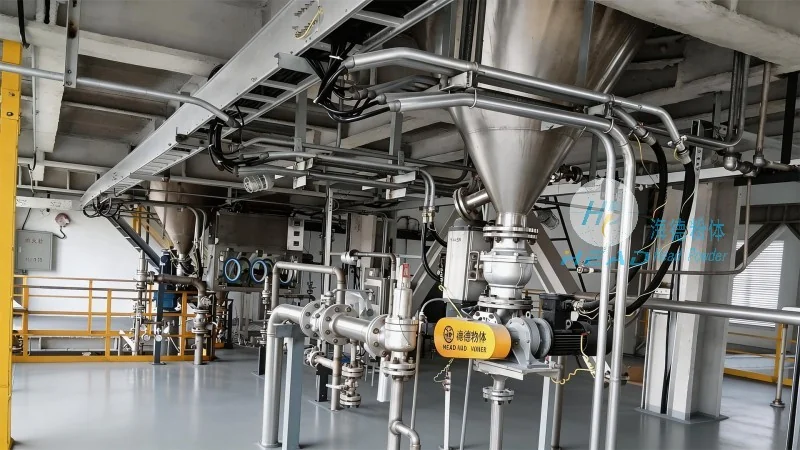
Pneumatic conveying uses air or other gases to transport micro sand powder through a closed system. This method is widely used for its ability to handle fine powders without the need for mechanical parts that might cause wear or contamination. One of the key advantages is the flexibility in system design, allowing for vertical, horizontal, or mixed-direction transport. However, pneumatic conveying has limitations, particularly with high-volume or abrasive powders, as it can lead to increased energy consumption and potential for material degradation due to friction and pressure changes.
Screw Conveyors: Mechanical Efficiency and Limitations
Screw conveyors utilize a rotating helical screw to move micro sand powder through a trough or tube. This method is known for its mechanical simplicity and ability to handle a wide range of materials, including those with moisture content. The system is relatively low-cost and easy to install, making it suitable for smaller-scale operations. Nevertheless, screw conveyors have drawbacks, such as the risk of material bridging or clogging, especially with cohesive powders like micro sand. Additionally, the screw and trough can experience wear over time, leading to maintenance costs and potential contamination of the product.

Pipeline Systems: High Capacity and Complex Maintenance
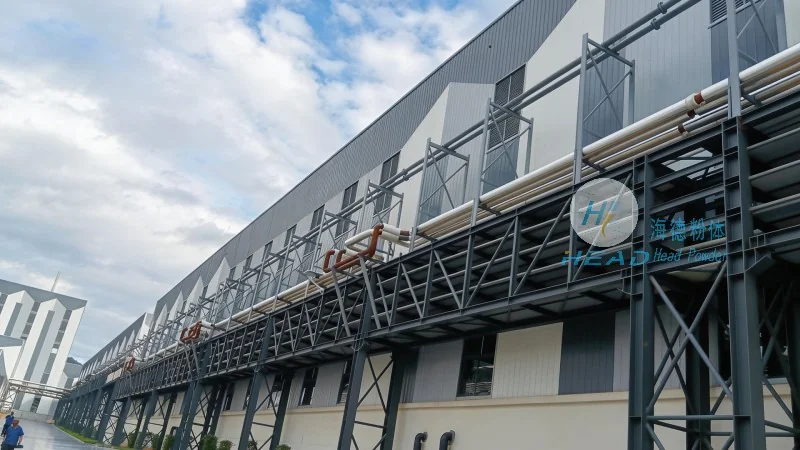
Pipeline systems, often integrated with high-pressure pumps or air compressors, are designed for high-volume transport of micro sand powder. These systems can achieve long-distance transport with minimal material loss and are ideal for continuous production lines. However, the complexity of pipeline systems increases both initial investment and long-term maintenance costs. The risk of system failure due to leaks or blockages is higher, and the need for regular cleaning and inspection adds to operational overhead.
Choosing the Right Conveying Method for Micro Sand Powder
The selection of a micro sand powder conveying method depends on several factors, including the scale of operation, material properties, and budget constraints. For industries requiring high efficiency and minimal contamination, pneumatic conveying may be the preferred choice, despite its energy demands. Screw conveyors are suitable for moderate volumes and applications where mechanical simplicity is prioritized. Pipeline systems are ideal for large-scale, continuous production but require robust maintenance protocols.
Shandong HeadPowder Engineering Co., Ltd., a leading provider of micro sand powder processing solutions, offers tailored conveying systems based on client-specific requirements. With a focus on efficiency and reliability, the company ensures that the chosen method aligns with operational goals while minimizing costs and downtime. By understanding the advantages and disadvantages of each conveying method, industries can make informed decisions to optimize their micro sand powder handling processes.

 Shandong Headpowder Engineering Co., Ltd.
 156-6277-7102(Quản lý Trương)
  0531-83386006
  Thành phố Tế Nam, Tỉnh Sơn Đông, Trung Quốc
Điện thoại
WeChatTư vấn
Lên đầu