Chuyên sâu trong lĩnh vực vật liệu rời công nghiệp, cung cấp giải pháp môi trường thông minh tích hợp cho phối trộn tự động, cấp liệu tập trung, khử lưu huỳnh và khử nitơ khô!
Yeast is a critical ingredient in numerous industries, such as brewing, baking, and biotechnology. Efficient and reliable yeast conveying is vital for maintaining product quality and operational efficiency. This article provides a detailed comparison of common yeast conveying methods, highlighting their advantages and disadvantages to assist industries in selecting the most suitable option for their specific needs.

About HeadPowder
HeadPowder, a prominent engineering company based in Shandong, China, specializes in providing comprehensive solutions for yeast handling and processing. The company’s headquarters are located in Shandong, and it has established itself as a leader in the field with expertise in designing and manufacturing systems that ensure optimal performance and longevity. HeadPowder’s commitment to quality and innovation has made it a trusted partner for businesses seeking reliable yeast conveying solutions.
1. Pumping Methods: Advantages and Disadvantages
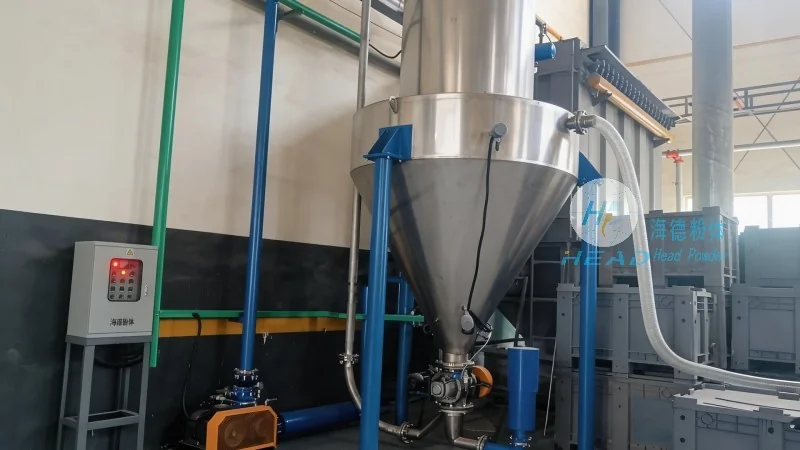
Pumping is a widely used method for yeast conveying, where pumps are employed to move yeast through pipelines. This approach is particularly effective for long-distance or vertical transport. The primary advantages of pumping include high efficiency in moving large volumes of yeast, consistent flow rates, and the capability to handle viscous or high-density yeast slurries. However, pumping systems may require more maintenance, as pumps are mechanical components that can wear out over time. The initial investment for pump systems can also be higher compared to other methods. Regular monitoring is essential to prevent clogging or damage, which can lead to operational downtime.
2. Gravity Conveying: Advantages and Disadvantages
Gravity conveying relies on the natural force of gravity to move yeast from a higher to a lower level. This method is simple and cost-effective, as it does not require external power or complex machinery. The main advantage of gravity conveying is its low operational cost and minimal maintenance requirements. It is ideal for short horizontal or vertical distances where the yeast can flow freely under gravity. However, this method is limited by the need for sufficient elevation changes and the viscosity of the yeast. If the yeast is too thick or the distance is too short, gravity may not provide enough force to move the yeast effectively. Additionally, gravity conveying can be less efficient for large volumes or when precise control over flow rate is needed.
3. Pneumatic Conveying: Advantages and Disadvantages

Pneumatic conveying uses compressed air to transport yeast particles through a pipeline. This method is suitable for both dry and wet yeast and can handle a wide range of particle sizes. The advantages of pneumatic conveying include flexibility in system design, the ability to transport yeast over long distances, and the option to mix yeast with other materials. However, this method may have higher energy consumption compared to other methods, as compressed air requires significant power. Pneumatic systems also need regular cleaning to prevent dust accumulation and ensure consistent performance. The pressure drop in the pipeline can affect conveying efficiency, especially for long distances or high volumes.
4. Mechanical Conveying: Advantages and Disadvantages
Mechanical conveying involves the use of equipment such as conveyors, screw feeders, or belt systems to move yeast. This method is suitable for bulk handling and can be used in various environments. The advantages of mechanical conveying include high capacity and the ability to handle different types of yeast, including wet or dry forms. Mechanical systems are generally durable and require less maintenance compared to pumps. However, they may have higher initial costs and occupy more space. Additionally, mechanical conveyors can be noisy and may cause wear and tear on the yeast particles, potentially affecting their quality. Proper maintenance is essential to prevent breakdowns and ensure smooth operation.
Conclusion: Choosing the Right Yeast Conveying Method
Selecting the appropriate yeast conveying method depends on several factors, including the volume of yeast to be transported, the distance, the viscosity, and the specific requirements of the industry. HeadPowder offers customized solutions that consider these factors to ensure optimal performance. By understanding the advantages and disadvantages of each method, industries can make informed decisions that enhance efficiency, reduce costs, and maintain product quality. Whether using pumping, gravity, pneumatic, or mechanical systems, HeadPowder’s expertise ensures that the chosen method aligns with the operational needs and long-term goals of the business.

 Shandong Headpowder Engineering Co., Ltd.
 156-6277-7102(Quản lý Trương)
  0531-83386006
  Thành phố Tế Nam, Tỉnh Sơn Đông, Trung Quốc
Điện thoại
WeChatTư vấn
Lên đầu