Chuyên sâu trong lĩnh vực vật liệu rời công nghiệp, cung cấp giải pháp môi trường thông minh tích hợp cho phối trộn tự động, cấp liệu tập trung, khử lưu huỳnh và khử nitơ khô!
When it comes to handling aluminum turnings in industrial settings, selecting the right conveying method is crucial for efficiency, cost-effectiveness, and operational safety. Aluminum turnings, which are small, irregularly shaped pieces of metal generated during machining processes, require specialized systems to transport them from one location to another. The choice of conveying method depends on factors such as material properties, production volume, space constraints, and budget. In this article, we will explore common aluminum turnings conveying methods, evaluating their advantages and disadvantages to help industrial operators make informed decisions.
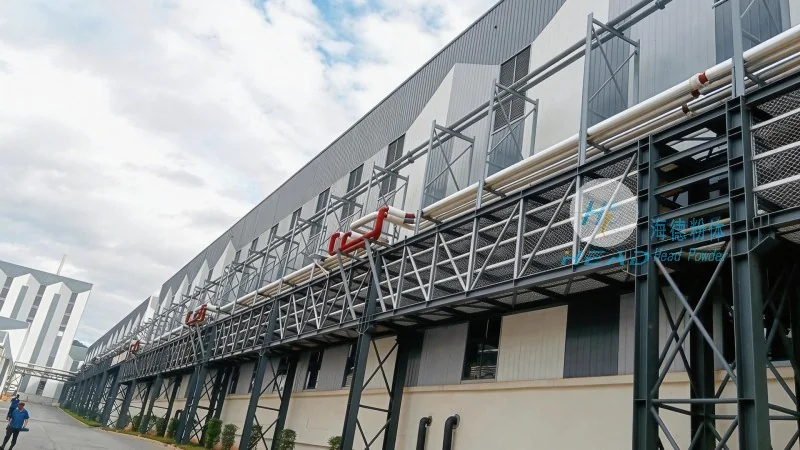
Gravity Conveying Systems
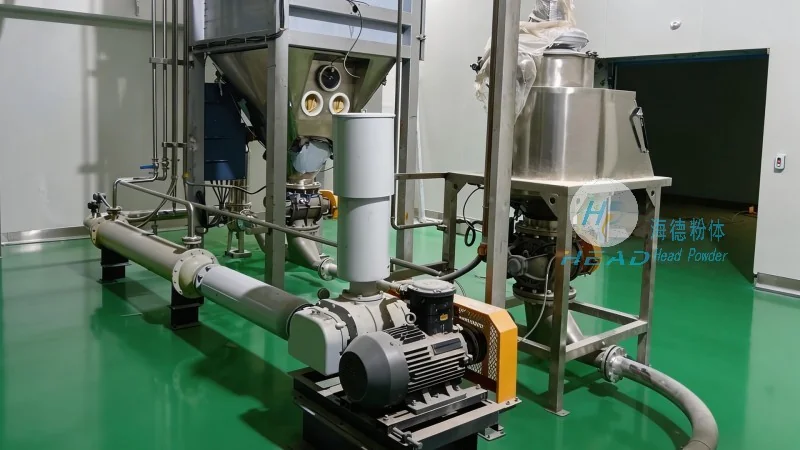
Gravity conveying, also known as pneumatic or gravity flow systems, utilizes the natural force of gravity to move aluminum turnings along inclined chutes or pipes. This method is often employed in applications where the material is light and can flow freely. The primary advantage of gravity conveying is its simplicity and low energy consumption, as it does not require external power sources like motors or pumps. Additionally, gravity systems are relatively inexpensive to install and maintain, making them a cost-effective solution for small to medium-scale operations. However, gravity conveying has significant limitations. It is highly dependent on the angle of the chute and the material's angle of repose, meaning that the material must be able to flow without excessive resistance. If the turnings are too dense or have a high moisture content, they may not flow properly, leading to blockages or uneven transport. Furthermore, gravity systems are limited by the vertical distance between the source and destination, as the material cannot be lifted vertically without additional assistance. This makes them unsuitable for applications requiring vertical transport or long horizontal distances.
Mechanical Conveying Systems
Mechanical conveying systems, such as screw conveyors and belt conveyors, use mechanical components to move aluminum turnings. Screw conveyors consist of a rotating screw (helix) inside a tube, which pushes the material forward. Belt conveyors use a continuous belt that transports the material from one point to another. These systems are highly versatile and can handle a wide range of material types and sizes. The main advantage of mechanical conveyors is their ability to transport materials over long distances and at high capacities. They can also handle materials with higher moisture content or larger particle sizes compared to gravity systems. Mechanical systems are generally more reliable and consistent in performance, as they are not affected by the material's angle of repose or flow characteristics. However, mechanical conveyors have several drawbacks. They require regular maintenance, including lubrication of moving parts and inspection of belts or screws, to ensure smooth operation. The cost of installation and maintenance is higher than that of gravity systems, especially for large-scale operations. Additionally, mechanical conveyors can generate more noise and vibration, which may affect the working environment. Another limitation is that they may not be suitable for very fine or powdery aluminum turnings, as the material can easily clog the screw or belt, leading to downtime and increased maintenance costs.

Pneumatic Conveying Systems
Pneumatic conveying systems use air pressure to transport aluminum turnings through a pipeline. This method is ideal for applications requiring high efficiency and low maintenance. The system typically consists of a blower, a hopper, and a pipeline with inlets and outlets. The aluminum turnings are fed into the hopper and then drawn into the pipeline by the air flow. The main advantage of pneumatic conveying is its ability to transport materials over long distances and at high speeds. It can also handle materials with high moisture content or abrasive properties, as the air flow prevents clogging and reduces wear on the system components. Pneumatic systems are relatively compact and can be installed in tight spaces, making them suitable for applications with limited floor space. However, pneumatic conveying has some significant disadvantages. It requires a constant supply of compressed air, which increases energy consumption and operating costs. The system is also more complex to install and maintain, as it involves components such as blowers, filters, and valves. Additionally, pneumatic systems can be noisy and may require additional safety measures to prevent dust explosions, especially when handling flammable materials like aluminum turnings. The cost of compressed air generation and system maintenance is higher than that of gravity or mechanical systems, making them less cost-effective for small-scale operations.
Comparison and Selection Criteria
When comparing the different aluminum turnings conveying methods, several factors should be considered to determine the most suitable option. The first factor is the material properties, including the size, shape, and moisture content of the aluminum turnings. For light, free-flowing materials, gravity conveying may be sufficient. For denser or more abrasive materials, mechanical or pneumatic systems are more appropriate. The second factor is the distance and layout of the conveying system. If the material needs to be transported over long horizontal or vertical distances, mechanical or pneumatic systems are better suited. The third factor is the budget and maintenance requirements. Gravity systems are the most cost-effective but have limitations in terms of material flow. Mechanical systems offer better performance but require more maintenance. Pneumatic systems are efficient but have higher energy and maintenance costs. The fourth factor is the available space and operational environment. Gravity systems are ideal for applications with limited space, while mechanical and pneumatic systems may require more room for installation and maintenance.
About HeadPowder
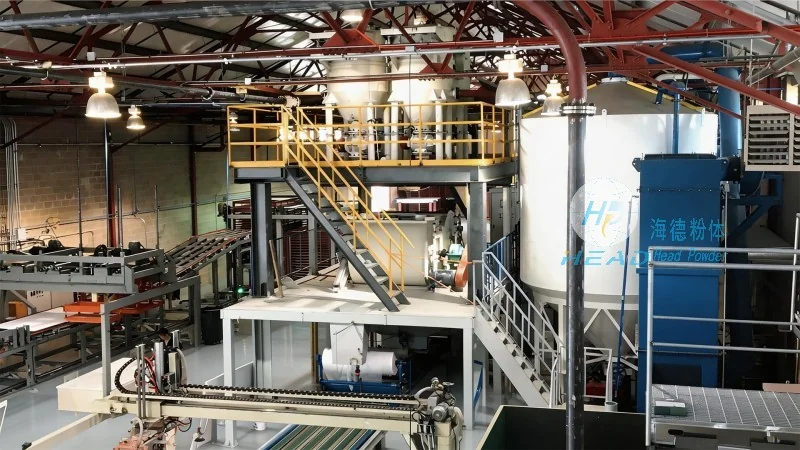
HeadPowder, or Shandong HeadPowder Engineering Co., Ltd., is a leading manufacturer and supplier of aluminum turnings conveying systems. With a focus on innovation and quality, HeadPowder provides a wide range of conveying solutions tailored to the specific needs of industrial clients. The company's products are designed to enhance operational efficiency, reduce maintenance costs, and improve safety in aluminum processing facilities. HeadPowder's team of experts works closely with clients to understand their requirements and develop customized conveying systems that meet their unique challenges. The company's commitment to customer satisfaction and technical excellence has made it a trusted partner in the aluminum industry. HeadPowder's facilities are located in Shandong, China, where the company leverages advanced manufacturing technologies and skilled workforce to produce high-quality conveying systems.

 Shandong Headpowder Engineering Co., Ltd.
 156-6277-7102(Quản lý Trương)
  0531-83386006
  Thành phố Tế Nam, Tỉnh Sơn Đông, Trung Quốc
Điện thoại
WeChatTư vấn
Lên đầu