

Comparing Common Alumina Conveying Methods: Advantages and Disadvantages
Alumina, a critical material in various industrial sectors including ceramics, refractories, and chemical manufacturing, demands efficient and reliable conveying systems to ensure seamless production workflows. The choice of conveying method directly impacts operational efficiency, material handling costs, and overall system performance. This article provides a comprehensive comparison of common alumina conveying methods, highlighting their respective advantages and disadvantages to assist industrial operators in making informed decisions.

Understanding Alumina and Conveying Requirements
Alumina, chemically known as aluminum oxide, is valued for its high thermal stability and chemical resistance, making it indispensable in high-temperature applications. Its handling necessitates specialized equipment capable of managing abrasive and heavy materials. Conveying systems must be designed to minimize material degradation, prevent blockages, and maintain consistent flow rates. The selection of a conveying method depends on factors such as material properties, production scale, and environmental considerations.
Common Alumina Conveying Methods
Screw Conveyors (Auger Conveyors)
Screw conveyors are among the most widely utilized equipment for alumina transport. These systems consist of a rotating helical screw housed within a U-shaped or tubular casing, which pushes material forward. HeadPowder, a leading provider in the field, offers high-quality screw conveyors tailored to alumina handling needs. The primary advantage of screw conveyors is their simplicity and low maintenance requirements. They are ideal for handling bulk materials over short to medium distances, with minimal space constraints. However, their effectiveness diminishes with highly abrasive or sticky alumina, as the screw and housing can experience wear and tear over time. Additionally, screw conveyors may not be suitable for very fine or powdery alumina, as it can lead to blockages and reduced efficiency.

Pneumatic Conveying Systems
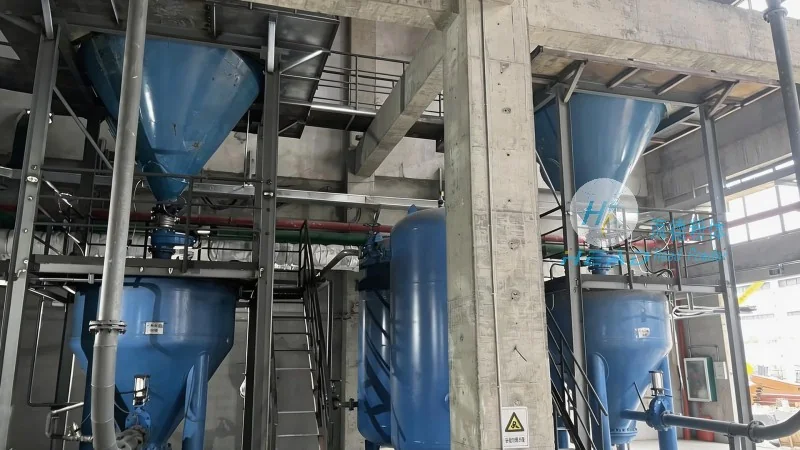
Pneumatic conveying systems utilize air or gas to transport alumina particles through a pipeline. These systems can be categorized into pressure and vacuum types. Pressure systems push material using compressed air, while vacuum systems draw material using a vacuum pump. HeadPowder specializes in designing and manufacturing pneumatic conveying solutions for alumina, ensuring efficient and dust-free transport. One of the key advantages of pneumatic conveying is its ability to handle fine powders and abrasive materials without the need for mechanical parts in contact with the material. This reduces wear and extends the system's lifespan. Pneumatic systems also allow for flexible layout designs, as the pipeline can be routed in various directions. However, they require higher energy consumption compared to mechanical conveyors, and the system must be well-sealed to prevent material loss and air leakage. Additionally, the cost of compressed air generation and the need for proper filtration can increase operational expenses.
Belt Conveyors
Belt conveyors are another common method for alumina transport, particularly in large-scale operations. These systems use a continuous belt to move material along a path, often with multiple idlers and pulleys to support and guide the belt. HeadPowder provides robust belt conveyor solutions designed to handle heavy alumina loads. The main advantage of belt conveyors is their high capacity and ability to transport materials over long distances. They are suitable for both horizontal and inclined applications, making them versatile for various industrial settings. Belt conveyors also offer low maintenance costs and can handle a wide range of material sizes and shapes. However, they require significant space for installation and may not be ideal for fine powders, as the material can fall through the belt or cause spillage. Additionally, belt conveyors are susceptible to damage from abrasive alumina, leading to increased replacement costs and downtime.
Bucket Elevators
Bucket elevators are vertical or inclined conveyor systems that use buckets attached to a chain or belt to lift and transport alumina. These systems are commonly used in applications where vertical transport is necessary, such as in silos or storage facilities. HeadPowder offers reliable bucket elevator solutions for alumina handling, ensuring efficient vertical movement. The primary advantage of bucket elevators is their ability to transport materials vertically with minimal space requirements. They are ideal for handling bulk materials in vertical or steeply inclined applications. Bucket elevators also provide a closed system, which helps in controlling dust and maintaining material integrity. However, they have higher installation costs compared to other conveyors and may experience wear on the buckets and chains due to abrasive alumina. Additionally, the system's capacity is limited by the speed and bucket size, and maintenance can be more complex due to the vertical design.
Comparative Analysis and Recommendations
When selecting an alumina conveying method, industrial operators must consider several factors, including material properties, operational requirements, and cost implications. Screw conveyors are cost-effective for short-distance horizontal transport of bulk alumina, while pneumatic systems excel in handling fine powders and requiring dust-free environments. Belt conveyors are suitable for large-scale horizontal transport, and bucket elevators are ideal for vertical transport in confined spaces. HeadPowder, with its expertise in alumina handling equipment, provides customized solutions that address these diverse needs. By evaluating the advantages and disadvantages of each method, operators can choose the most suitable conveying system to enhance productivity, reduce costs, and ensure safe material transport in their industrial processes.