Chuyên sâu trong lĩnh vực vật liệu rời công nghiệp, cung cấp giải pháp môi trường thông minh tích hợp cho phối trộn tự động, cấp liệu tập trung, khử lưu huỳnh và khử nitơ khô!
When it comes to transporting sand particles, selecting the right conveying method is crucial for efficiency, cost-effectiveness, and operational safety. Various techniques are available, each with its own set of characteristics and applications. This article explores the different sand particle conveying methods, with a particular focus on the benefits and features of pneumatic conveying for sand particles.
Understanding Sand Particle Conveying Methods

Sand particle conveying involves moving granular materials like sand from one location to another. The primary methods used in industrial settings include mechanical conveying systems, such as belt conveyors, screw conveyors, and bucket elevators, as well as pneumatic conveying systems. Each method has distinct advantages and limitations that make it suitable for specific scenarios.
Pneumatic Conveying for Sand Particles: A Comprehensive Overview
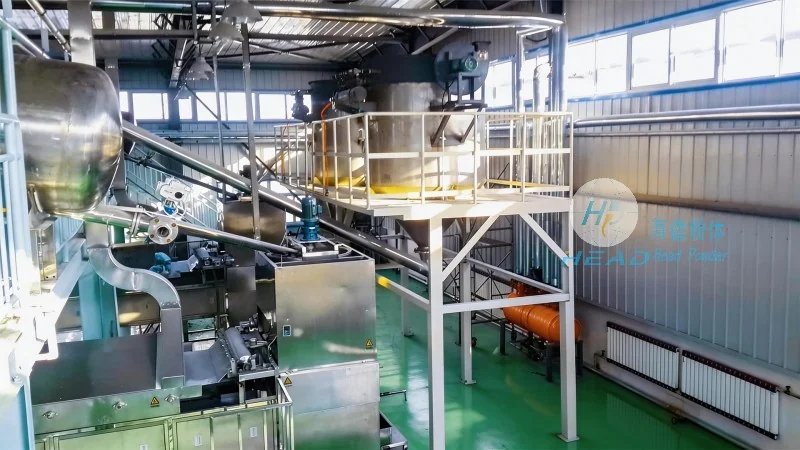
Pneumatic conveying, also known as air conveying, is a method that uses compressed air to transport solid particles through a pipeline. This technology is particularly effective for sand particles due to its ability to handle fine, dry materials with minimal degradation. The process typically involves a hopper or feeder that feeds the sand into a pipeline, where it is carried by the airflow. The system can be either positive pressure, where air is blown into the line, or negative pressure, where air is drawn out, creating a vacuum to pull the material.
Key Advantages of Pneumatic Conveying for Sand Particles
One of the most significant advantages of pneumatic conveying for sand particles is its ability to transport materials over long distances without the need for multiple transfer points. This reduces the risk of material loss and contamination, which is critical when dealing with high-value or sensitive sand products. Additionally, pneumatic systems are highly flexible, allowing for changes in the conveying route without major modifications to the infrastructure. This adaptability makes them suitable for dynamic industrial environments where processes may need to be adjusted frequently.
Another key benefit is the cleanliness and hygiene of pneumatic conveying. Unlike mechanical systems that may introduce dust or debris into the material stream, pneumatic systems keep the sand particles contained within the pipeline, minimizing environmental impact and ensuring product purity. This is especially important in applications where the sand is used in food processing, pharmaceuticals, or other industries where contamination is unacceptable.
Features and Technical Considerations of Pneumatic Sand Conveying Systems
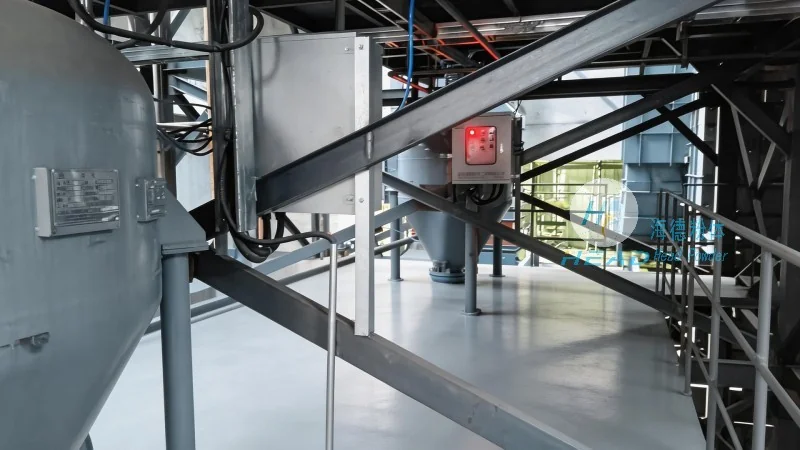
Pneumatic conveying systems for sand particles are equipped with several features that enhance their performance and reliability. These include advanced control systems that regulate air pressure and flow rates, ensuring consistent material transport. The use of high-quality materials for the pipeline, such as stainless steel or corrosion-resistant alloys, prevents wear and tear and extends the system's lifespan. Furthermore, the integration of filtration and dust collection systems helps maintain air quality and comply with environmental regulations.
When designing a pneumatic conveying system for sand particles, several technical factors must be considered. The particle size, density, and moisture content of the sand are critical parameters that affect the system's efficiency. For example, fine sand particles may require higher air velocities to prevent clogging, while larger particles might need more robust feeding mechanisms to avoid blockages. The system's capacity and the required conveying distance also influence the choice of equipment, such as the size of the pipeline and the power of the air compressor.
Applications and Industries Using Pneumatic Sand Conveying

Pneumatic conveying for sand particles is widely used across various industries, including construction, mining, and manufacturing. In the construction industry, it is commonly employed to transport sand from storage silos to mixing plants or job sites, ensuring a continuous and efficient supply of raw materials. The mining sector utilizes pneumatic systems to move sand from processing facilities to storage areas or for further processing, such as washing or classification.
In manufacturing, pneumatic conveying is used in processes that require precise control over the sand flow, such as in the production of concrete, ceramics, or glass. The ability to handle fine sand particles with minimal loss makes it ideal for applications where uniformity and consistency are essential. Additionally, the system's ability to integrate with other production equipment, such as mixers and classifiers, enhances overall operational efficiency.
Conclusion: Choosing the Right Conveying Method for Sand Particles
After evaluating the various sand particle conveying methods, it is clear that pneumatic conveying offers significant advantages for many industrial applications. Its flexibility, cleanliness, and ability to handle fine materials make it a preferred choice for transporting sand particles efficiently and safely. However, the selection of the most suitable method depends on specific operational requirements, such as the distance to be covered, the type of sand being transported, and the overall production environment.
For businesses looking to optimize their sand particle conveying processes, it is essential to consider the technical capabilities and benefits of each method. By partnering with experienced suppliers like Shandong HeadPowder Engineering Co., Ltd., companies can access tailored solutions that meet their unique needs. With a focus on quality and innovation, HeadPowder provides reliable pneumatic conveying systems that enhance operational efficiency and ensure the integrity of sand products throughout the conveying process.

 Shandong Headpowder Engineering Co., Ltd.
 156-6277-7102(Quản lý Trương)
  0531-83386006
  Thành phố Tế Nam, Tỉnh Sơn Đông, Trung Quốc
Điện thoại
WeChatTư vấn
Lên đầu