Chuyên sâu trong lĩnh vực vật liệu rời công nghiệp, cung cấp giải pháp môi trường thông minh tích hợp cho phối trộn tự động, cấp liệu tập trung, khử lưu huỳnh và khử nitơ khô!
Plastic pellets are fundamental raw materials in the manufacturing processes of various industries, including packaging, automotive, and construction. The efficient and reliable transportation of these pellets from storage to processing equipment is crucial for maintaining production efficiency and product quality. Among the diverse methods available for conveying plastic pellets, pneumatic conveying stands out as a highly effective and versatile solution. This article provides an overview of the advantages and key characteristics of pneumatic conveying systems, with a focus on the solutions offered by Shandong HeadPowder Engineering Co., Ltd., a leading provider in the field.
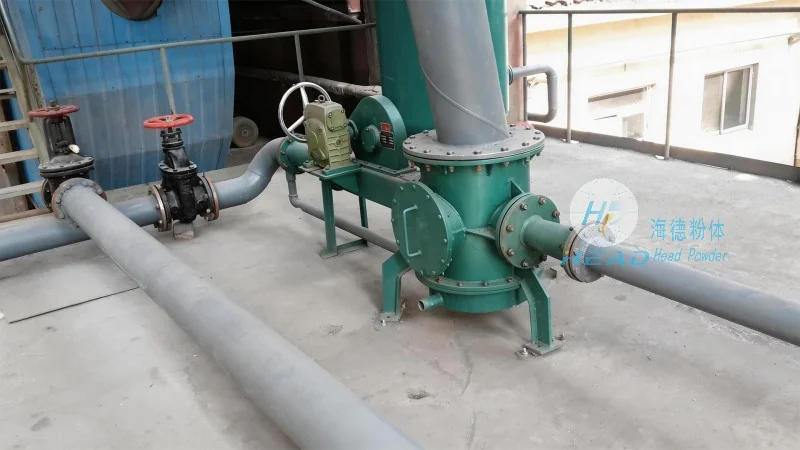
Common Plastic Pellet Conveying Methods and Their Limitations
Before delving into the specifics of pneumatic conveying, it is essential to understand the primary alternatives used in the industry. Traditional mechanical conveyors, such as screw conveyors and belt conveyors, have been widely employed for material handling. Screw conveyors, for instance, use rotating screws to move pellets through a tube, while belt conveyors rely on continuous belts to transport materials horizontally or at slight inclines. These methods are generally cost-effective and straightforward to install. However, they come with several drawbacks that can impact operational performance. Mechanical conveyors often suffer from material degradation due to friction and abrasion, which can lead to product contamination and reduced quality. Additionally, they may require frequent maintenance to address issues like blockages, wear, and material buildup. In environments where hygiene and cleanliness are paramount, mechanical conveyors may not meet the required standards, as they can introduce dust and particles into the system. Furthermore, their design limits the ability to handle fine or irregularly shaped pellets without causing significant wear on the equipment.
The Advantages of Pneumatic Conveying for Plastic Pellets
Pneumatic conveying, also known as air conveying, offers a compelling alternative to traditional mechanical systems by utilizing air pressure or vacuum to transport plastic pellets. This method eliminates the need for physical contact between the material and the conveyor components, thereby reducing wear and tear on both the pellets and the equipment. The primary advantages of pneumatic conveying for plastic pellets include:
Hygienic and Clean Operation: Pneumatic systems are designed to maintain a dust-free environment, making them ideal for food-grade and pharmaceutical applications where product purity is critical. The absence of mechanical parts that can trap or generate contaminants ensures that the conveyed pellets remain clean and free from debris.
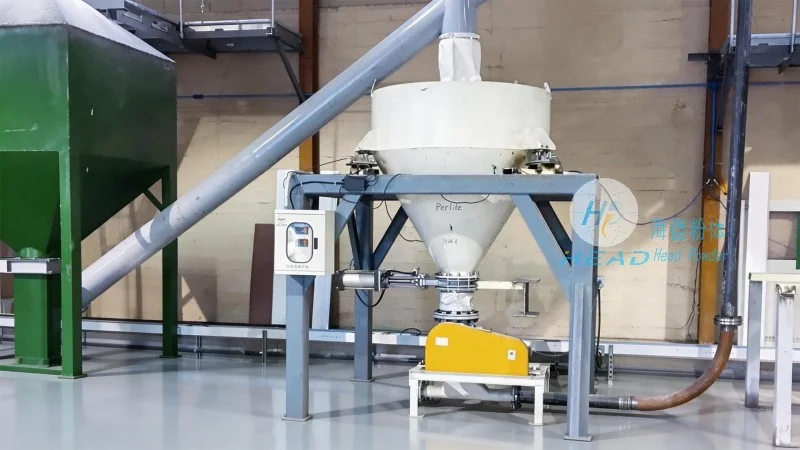
Reduced Product Degradation: By avoiding friction and abrasion, pneumatic conveying minimizes the risk of pellet surface damage or degradation. This is particularly important for high-value plastic pellets that require precise handling to preserve their properties and performance.
Flexibility in Layout: Pneumatic conveying systems can be configured to follow complex layouts, including vertical and horizontal transport, as well as curved paths. This flexibility allows for the integration of conveying lines into existing production facilities without the need for extensive structural modifications.
Efficient Material Handling: Pneumatic systems can handle a wide range of pellet sizes and shapes, from fine powders to larger granules, with consistent performance. They are capable of transporting materials over long distances and at high speeds, significantly improving overall production throughput.
Low Maintenance Requirements: Unlike mechanical conveyors that require regular lubrication and part replacement, pneumatic systems have fewer moving parts and are less prone to mechanical failures. This results in lower maintenance costs and increased system reliability over time.
Key Features of HeadPowder's Pneumatic Conveying Solutions
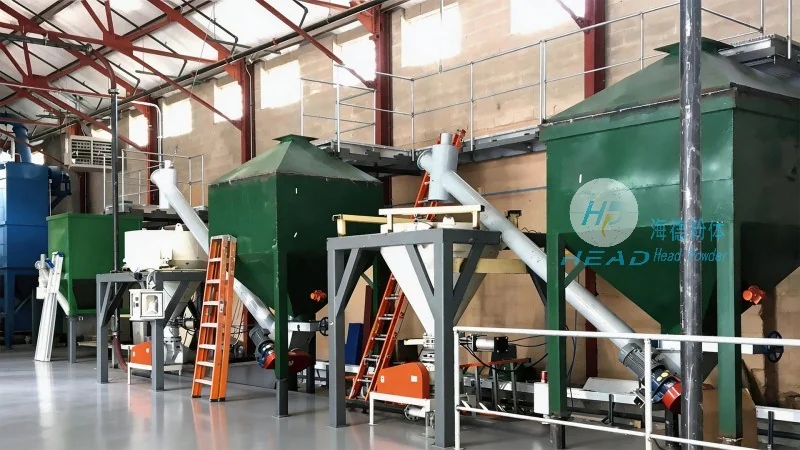
Shandong HeadPowder Engineering Co., Ltd. specializes in the design, manufacturing, and installation of advanced pneumatic conveying systems tailored to the unique needs of plastic pellet manufacturers. The company's solutions are built on robust engineering principles and incorporate cutting-edge technology to deliver optimal performance. Some of the key features of HeadPowder's pneumatic conveying systems include:
Customizable System Design: Each pneumatic conveying system is customized to meet the specific requirements of the client, including the type of plastic pellets, production volume, and facility layout. This ensures that the system operates at peak efficiency and meets all operational and regulatory standards.
Pressure and Vacuum Conveying Options: HeadPowder offers both pressure and vacuum pneumatic conveying systems. Pressure systems use compressed air to push pellets through the line, while vacuum systems use suction to draw materials into the system. This dual capability allows for flexible handling of materials in various production stages, from raw material transport to finished product transfer.
Advanced Control Systems: The conveying systems are equipped with sophisticated control panels and monitoring software that allow for real-time tracking of material flow, pressure, and air consumption. This enables operators to optimize system performance, detect potential issues early, and reduce energy consumption.
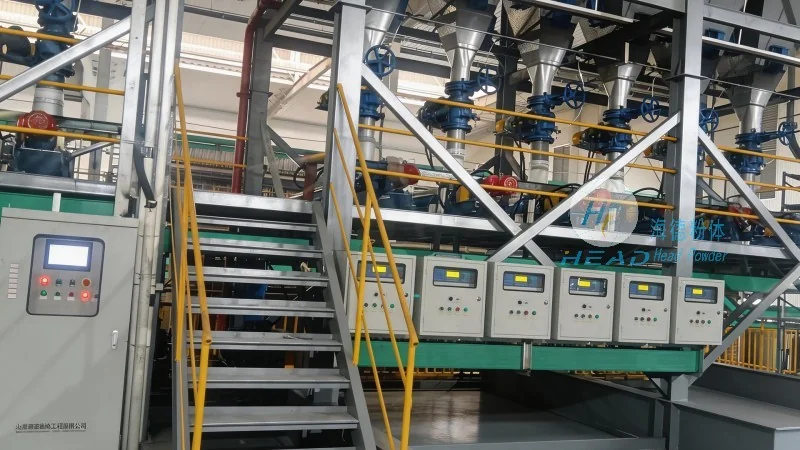
Durable and Corrosion-Resistant Materials: All components of the pneumatic conveying systems are constructed from high-quality, corrosion-resistant materials, such as stainless steel and specialized plastics, to ensure long-term durability and resistance to the chemicals and temperatures commonly encountered in plastic processing environments.
Comprehensive Maintenance and Support: HeadPowder provides comprehensive after-sales support, including regular maintenance services, spare parts availability, and technical assistance. This ensures that the conveying systems operate reliably and efficiently throughout their service life, minimizing downtime and maximizing productivity.
Conclusion: Choosing the Right Conveying Solution for Plastic Pellets
When selecting a conveying method for plastic pellets, it is essential to consider the specific requirements of the production process, including material characteristics, production volume, and operational environment. While traditional mechanical conveyors may be suitable for some applications, pneumatic conveying offers significant advantages in terms of efficiency, hygiene, and durability. Shandong HeadPowder Engineering Co., Ltd. provides innovative and reliable pneumatic conveying solutions that address the unique challenges faced by plastic pellet manufacturers. By leveraging advanced technology and customized system design, HeadPowder helps clients achieve optimal material handling performance, reduce operational costs, and maintain the highest standards of product quality. For businesses seeking to enhance their production efficiency and ensure the integrity of their plastic pellets, pneumatic conveying remains a superior choice, backed by the expertise and commitment of leading manufacturers like HeadPowder.

 Shandong Headpowder Engineering Co., Ltd.
 156-6277-7102(Quản lý Trương)
  0531-83386006
  Thành phố Tế Nam, Tỉnh Sơn Đông, Trung Quốc
Điện thoại
WeChatTư vấn
Lên đầu