Chuyên sâu trong lĩnh vực vật liệu rời công nghiệp, cung cấp giải pháp môi trường thông minh tích hợp cho phối trộn tự động, cấp liệu tập trung, khử lưu huỳnh và khử nitơ khô!
Phosphoric hydrogen calcium, a key compound in various industrial and agricultural applications, requires reliable and efficient delivery systems to ensure optimal performance and safety. The choice of delivery method significantly impacts operational efficiency, material integrity, and overall process costs. This article provides a detailed comparison of common phosphoric hydrogen calcium delivery methods, highlighting their advantages and disadvantages to help industries select the most suitable solution for their specific needs.
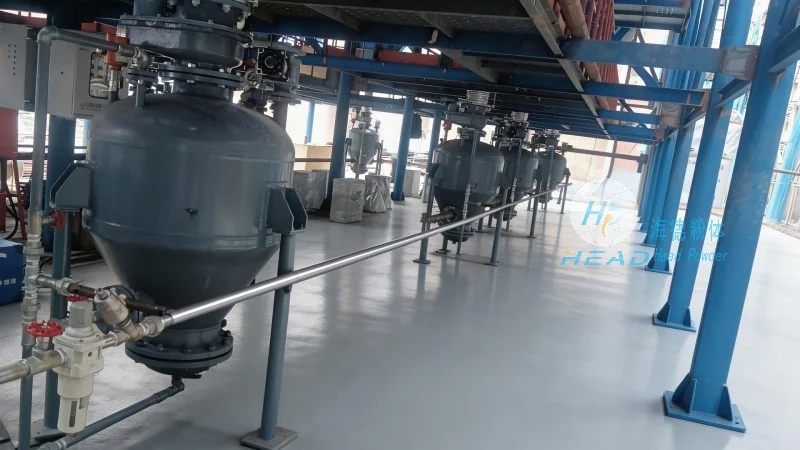
Phosphoric Hydrogen Calcium: The Importance of Efficient Delivery Systems
Phosphoric hydrogen calcium, often used in feed additives, food supplements, and industrial processes, is a fine powder or granular material that demands careful handling to prevent agglomeration and maintain quality. Efficient delivery systems are crucial for maintaining product consistency, reducing downtime, and ensuring compliance with safety regulations. The right delivery method can enhance productivity, minimize material loss, and extend equipment lifespan. For businesses operating in sectors such as animal feed, pharmaceuticals, or chemical manufacturing, selecting an appropriate delivery system is a critical decision that directly impacts operational success.
Common Delivery Methods for Phosphoric Hydrogen Calcium
Several delivery methods are commonly employed for phosphoric hydrogen calcium, each with distinct characteristics and applications. The selection of a method depends on factors like material properties, processing requirements, distance, and environmental considerations. Below is a detailed analysis of the most prevalent delivery approaches.
1. Positive Displacement Pumps for Phosphoric Hydrogen Calcium

Positive displacement pumps are widely used for transporting phosphoric hydrogen calcium, especially when dealing with high-viscosity or abrasive materials. These pumps, including gear, lobe, and progressing cavity types, operate by trapping a fixed volume of liquid or slurry and forcing it through the pump. The advantages of positive displacement pumps include their ability to handle high pressures, maintain a consistent flow rate, and deliver precise dosing. They are particularly effective for transporting phosphoric hydrogen calcium solutions or suspensions, ensuring uniform mixing and preventing clogging. However, these pumps may require regular maintenance to avoid wear and tear from abrasive particles. Additionally, their cost and complexity can be higher compared to other methods, making them suitable for applications where accuracy and control are paramount.
2. Screw Conveyors for Phosphoric Hydrogen Calcium
Screw conveyors, also known as auger conveyors, are a popular choice for transporting dry phosphoric hydrogen calcium powders or granules. These systems consist of a rotating screw inside a tube, which moves material from one end to the other through a series of flights. Screw conveyors offer several benefits, including low maintenance, simplicity, and the ability to handle a wide range of materials without the need for additional power sources. They are ideal for horizontal or slight incline applications, making them suitable for feeding hoppers, silos, or processing equipment. The main advantages of screw conveyors include their compact design, minimal space requirements, and the ability to operate in various environments. However, they may not be suitable for very fine powders or materials that tend to stick to the screw, as this can lead to reduced efficiency and increased wear. Additionally, the flow rate is dependent on the screw speed and pitch, which may require adjustments for different material characteristics.
3. Pneumatic Conveying Systems for Phosphoric Hydrogen Calcium
Pneumatic conveying systems use air or other gases to transport phosphoric hydrogen calcium powders or granules through a pipeline. These systems can be categorized into pressure and vacuum types, each with specific applications. Pressure pneumatic conveying is suitable for short to medium distances and high material loads, while vacuum systems are ideal for long-distance transport and low material concentrations. The advantages of pneumatic conveying include its ability to handle fine powders without the need for mechanical contact, reducing the risk of material degradation or contamination. It also allows for flexible routing and integration with existing process lines. However, pneumatic systems may have higher energy consumption compared to mechanical conveyors, and the risk of dust explosions or material segregation needs to be managed carefully. Additionally, the system design must account for material properties such as moisture content and particle size to ensure efficient transport.
4. Liquid Handling for Phosphoric Hydrogen Calcium Solutions
For applications where phosphoric hydrogen calcium is dissolved in water or other solvents, liquid handling systems are essential. These systems typically involve pumps, tanks, and piping to transport the solution to processing equipment. The advantages of liquid handling include the ability to mix and transport the material uniformly, reducing the risk of agglomeration and ensuring consistent product quality. Liquid systems are particularly useful for processes that require precise dosing or blending with other ingredients. However, they may require additional equipment for filtration and separation to prevent clogging or equipment damage. The main disadvantages include the need for proper storage and handling of liquids, as well as the potential for corrosion or contamination if not properly maintained. Additionally, the system must be designed to handle the specific properties of the phosphoric hydrogen calcium solution, such as its viscosity and chemical reactivity.

Choosing the Right Delivery Method for Phosphoric Hydrogen Calcium
The selection of a phosphoric hydrogen calcium delivery method should be based on a thorough evaluation of operational requirements, material characteristics, and cost considerations. Positive displacement pumps are ideal for high-viscosity solutions or precise dosing, while screw conveyors are suitable for dry powders and granules. Pneumatic conveying offers flexibility and minimal contact, making it suitable for fine powders, and liquid handling is essential for dissolved solutions. Each method has its strengths and limitations, and the optimal choice depends on the specific application and process goals. For instance, a feed mill may prefer screw conveyors for dry phosphoric hydrogen calcium, while a chemical plant might use positive displacement pumps for its solution form. Understanding the material's properties, such as particle size, moisture content, and abrasiveness, is crucial in determining the most effective delivery system.
HeadPowder Engineering: Custom Delivery Solutions for Phosphoric Hydrogen Calcium
Shandong HeadPowder Engineering Co., Ltd., a leading provider of engineering solutions for the phosphoric hydrogen calcium industry, specializes in designing and implementing customized delivery systems tailored to client needs. With years of experience in the field, HeadPowder Engineering understands the unique challenges associated with handling phosphoric hydrogen calcium and offers innovative solutions to enhance operational efficiency and safety. The company's expertise includes the design of positive displacement pumps, screw conveyors, pneumatic systems, and liquid handling equipment, ensuring that each system is optimized for the specific application. By leveraging advanced technology and industry knowledge, HeadPowder Engineering helps clients select the most appropriate delivery method, reduce costs, and improve overall process performance. The company's commitment to quality and customer satisfaction has made it a trusted partner for businesses operating in the feed, food, and chemical sectors.

 Shandong Headpowder Engineering Co., Ltd.
 156-6277-7102(Quản lý Trương)
  0531-83386006
  Thành phố Tế Nam, Tỉnh Sơn Đông, Trung Quốc
Điện thoại
WeChatTư vấn
Lên đầu