

Common Titanium Dioxide Conveying Methods: Advantages and Disadvantages Comparison
Titanium dioxide (TiO₂) is a critical industrial material widely utilized in pigments, coatings, plastics, and various other applications. The efficient and reliable conveyance of TiO₂ from storage to processing units is paramount for maintaining production efficiency and ensuring product quality. Various methods are employed to transport TiO₂, each with distinct advantages and disadvantages. This article provides a comprehensive comparison of common TiO₂ conveying methods, aiding industrial operators in making informed decisions based on their specific operational requirements.
1. Pneumatic Conveying Systems
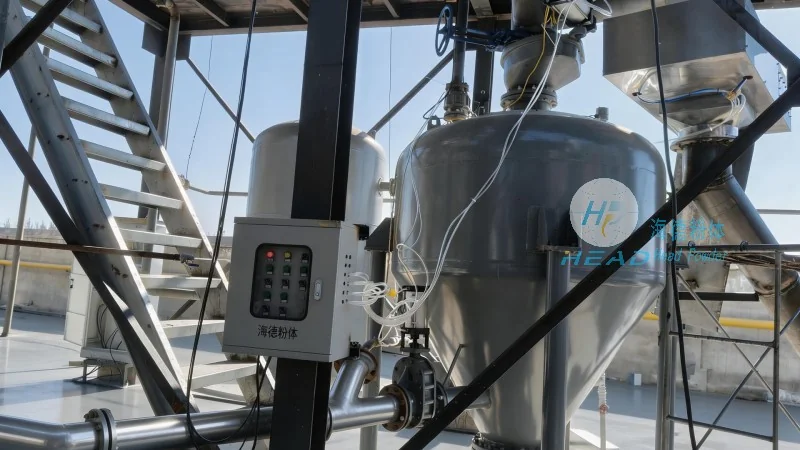
Pneumatic conveying, also known as air conveying, is a widely adopted method for transporting TiO₂. This system utilizes compressed air to move the material through a pipeline. There are two primary types: pressure and vacuum systems. Pressure systems are suitable for short to medium distances and can handle high volumes of material, making them effective for transporting TiO₂ from silos to processing equipment. However, pressure systems require high air pressure and may cause particle degradation if the material is sensitive. Vacuum systems are ideal for longer distances and can handle smaller quantities. They are less likely to cause product contamination but may have lower conveying capacity. The selection between pressure and vacuum systems depends on factors such as distance, material properties, and required throughput.
2. Screw Conveyors
Screw conveyors, or auger conveyors, are mechanical devices that use a rotating screw to move TiO₂ along a trough. They are suitable for horizontal or slightly inclined transport and can accommodate a wide range of particle sizes. Screw conveyors are relatively simple and low-cost, making them a popular choice for many industrial applications. They offer consistent and controlled flow, which is beneficial for maintaining product quality. Nevertheless, screw conveyors may cause particle attrition, especially for abrasive TiO₂. They are also limited in vertical lifting capacity and may not be suitable for long vertical transport. Additionally, the design must consider the material's flow characteristics to avoid blockages or uneven feeding.
3. Pumping Systems
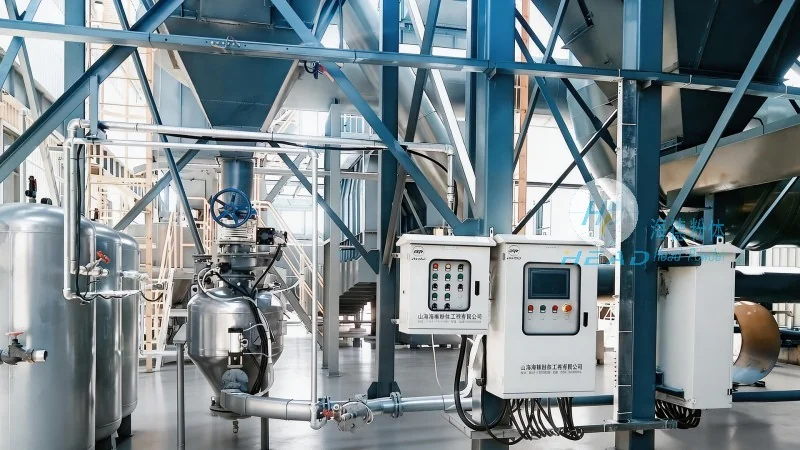
Pumping systems, such as slurry pumps or hydraulic conveyors, are used to transport TiO₂ in a liquid slurry form. This method is particularly effective for handling wet or fine TiO₂ powders. The material is mixed with a liquid carrier (like water or a specific solvent) to form a slurry, which is then pumped through pipelines. Pumping systems offer high throughput and can handle long distances with minimal pressure loss. They are also suitable for transporting TiO₂ in combination with other materials. However, the system requires additional equipment for slurry preparation and separation, increasing operational complexity and cost. The liquid carrier must be carefully managed to avoid contamination and ensure proper separation post-conveying. Additionally, the pump and pipeline must be designed to handle the abrasive nature of TiO₂ to prevent wear and tear.
4. Belt Conveyors
Belt conveyors use a continuous belt to transport TiO₂ over a series of rollers. They are commonly used for horizontal and inclined transport over long distances. Belt conveyors are capable of handling large volumes of material and can be integrated with other processing equipment. They provide a stable and continuous flow, which is advantageous for maintaining production rates. However, belt conveyors require significant space and may cause product segregation if the material is not uniformly mixed. They are also susceptible to belt wear and tear, especially with abrasive TiO₂. Regular maintenance is necessary to ensure optimal performance and prevent downtime. The design must consider the material's bulk density and flow characteristics to avoid belt slippage or material buildup.
5. Comparison of Conveying Methods

When selecting a TiO₂ conveying method, several factors must be considered, including distance, material properties, throughput, and cost. Pneumatic conveying is ideal for short to medium distances and can handle dry TiO₂ efficiently. Screw conveyors are suitable for horizontal transport and provide consistent flow but may cause particle degradation. Pumping systems are effective for wet or fine powders and can handle long distances but require additional equipment. Belt conveyors are suitable for large volumes and long distances but require more space and maintenance. The choice of method should align with the specific operational requirements and budget constraints of the industrial application.
About HeadPowder: Your Trusted TiO₂ Conveying Solutions Provider
Shandong HeadPowder Engineering Co., Ltd. is a leading manufacturer and supplier of specialized conveying equipment for TiO₂ and other industrial materials. With years of experience in the industry, HeadPowder provides high-quality, reliable solutions tailored to the unique needs of each client. Our team of experts works closely with customers to understand their operational challenges and recommend the most suitable conveying system. We offer a range of products, including pneumatic conveyors, screw conveyors, and pumping systems, all designed to meet the highest standards of performance and durability. HeadPowder's commitment to quality and customer satisfaction has made us a trusted partner for many industrial companies worldwide. Our headquarters is located in Shandong, China, where we maintain state-of-the-art manufacturing facilities and research centers. We continuously invest in research and development to improve our products and stay ahead of industry trends. By choosing HeadPowder, you can ensure that your TiO₂ conveying system is efficient, reliable, and cost-effective, helping you maintain optimal production performance and product quality.