Chuyên sâu trong lĩnh vực vật liệu rời công nghiệp, cung cấp giải pháp môi trường thông minh tích hợp cho phối trộn tự động, cấp liệu tập trung, khử lưu huỳnh và khử nitơ khô!
When it comes to transporting calcium lime, selecting the right method is crucial for efficiency and safety in industrial applications. Shandong HeadPowder Engineering Co., Ltd., a leading provider headquartered in Shandong, China, offers insights into the most common transport methods used today. This article provides a detailed comparison of these methods, helping businesses make informed decisions based on their specific operational needs.

Understanding Calcium Lime and Its Transport Requirements
Calcium lime, also known as quicklime or calcium oxide, is a versatile material widely used in industries such as construction, steel production, and chemical manufacturing. Its high reactivity and potential for dust generation make the choice of transport method critical. Proper handling ensures minimal loss, reduced environmental impact, and compliance with safety regulations. The following methods are among the most prevalent in industrial settings.
1. Pneumatic Conveying Systems
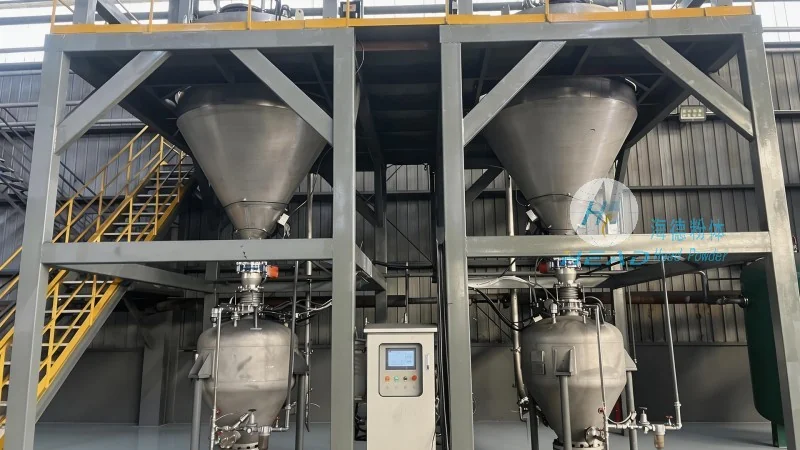
Pneumatic conveying systems use air or other gases to transport calcium lime particles through a pipeline. This method is ideal for applications requiring high throughput and minimal dust exposure. There are two main types: dilute-phase and dense-phase systems. Dilute-phase systems are suitable for long-distance transport with relatively low material concentration, while dense-phase systems offer better control over particle velocity and are preferred for short distances or when precise delivery is needed. The system typically includes a hopper, a blower, and a receiver, with the material being carried by the air flow. This method is efficient for continuous operation and can handle a wide range of particle sizes, making it a popular choice for many industrial processes.
2. Belt Conveyors
Belt conveyors are a traditional and widely used method for transporting bulk materials, including calcium lime. These systems consist of a continuous belt that moves over rollers or pulleys, carrying the material from one point to another. Belt conveyors are particularly effective for horizontal or slightly inclined transport over long distances. They are known for their reliability and ability to handle large volumes of material with minimal maintenance. However, they require regular cleaning to prevent material buildup and may not be suitable for very fine or dusty powders, as the belt can become clogged or cause excessive dust. The design of the conveyor, including the belt material and tensioning system, is critical to ensure smooth operation and prevent material spillage.
3. Screw Conveyors

Screw conveyors, also known as auger conveyors, use a rotating screw to move calcium lime through a tube or trough. This method is well-suited for vertical or inclined transport and is often used in applications where space is limited or where the material needs to be elevated. Screw conveyors are simple in design, with a helical screw rotating inside a housing, which pushes the material forward. They are effective for handling dry, free-flowing materials and can be adjusted to control the speed and volume of transport. However, they may not be suitable for very fine powders, as the screw can cause excessive friction and heat, potentially affecting the material's quality. Proper lubrication and material flow control are essential to maintain the efficiency and longevity of screw conveyors.
4. Hydraulic Conveying
Hydraulic conveying systems use water or other liquids to transport calcium lime in a slurry form. This method is particularly useful for applications where the material needs to be transported over long distances or through complex routes. The slurry is pumped through pipes, and the material is separated from the liquid at the destination. Hydraulic conveying is effective for handling wet or sticky materials and can reduce dust generation compared to other methods. However, it requires additional equipment for slurry preparation and separation, and the system may be more complex to maintain. The choice of hydraulic system depends on the specific characteristics of the calcium lime and the operational requirements of the facility.
5. Bucket Elevators
Bucket elevators are vertical or inclined conveyors that use a series of buckets attached to a belt or chain to transport calcium lime. These systems are ideal for vertical transport over significant heights and are commonly used in industries where material needs to be lifted from a lower to a higher level. The buckets are filled at the bottom and travel up the conveyor, discharging the material at the top. Bucket elevators are known for their high capacity and ability to handle abrasive materials without excessive wear. However, they require careful maintenance to prevent bucket failure and ensure proper alignment. The design of the bucket and the speed of the conveyor are critical factors in the efficiency and safety of the system.

Key Factors to Consider When Choosing a Transport Method
When selecting a calcium lime transport method, several factors must be considered to ensure optimal performance and cost-effectiveness. These include the material's properties, such as particle size, moisture content, and reactivity, as well as the distance and layout of the transport route. The desired throughput and the need for dust control are also important considerations. Additionally, the initial investment cost, operational costs, and maintenance requirements of each system should be evaluated. Shandong HeadPowder Engineering Co., Ltd. provides expert consultation and customized solutions to help businesses choose the most suitable transport method for their specific needs.
Conclusion
Choosing the right calcium lime transport method is essential for maintaining efficiency, safety, and compliance in industrial operations. By understanding the advantages and limitations of each method, businesses can make informed decisions that enhance their overall performance. Shandong HeadPowder Engineering Co., Ltd. remains committed to providing high-quality solutions and technical support to meet the diverse needs of its clients. Whether through pneumatic, belt, screw, hydraulic, or bucket elevators, the company ensures that calcium lime is transported safely and effectively, supporting the success of industrial applications worldwide.

 Shandong Headpowder Engineering Co., Ltd.
 156-6277-7102(Quản lý Trương)
  0531-83386006
  Thành phố Tế Nam, Tỉnh Sơn Đông, Trung Quốc
Điện thoại
WeChatTư vấn
Lên đầu