

Comparison of Common Bread Flour Conveying Methods
When it comes to handling and transporting bread flour in industrial settings, selecting the right conveying method is crucial for efficiency, product quality, and operational costs. Shandong HeadPowder Engineering Co., Ltd., a leading manufacturer based in Shandong, China, specializes in providing tailored solutions for various flour conveying needs. This article provides an in-depth comparison of common bread flour conveying methods, helping businesses make informed decisions based on their specific requirements.

1. Screw Conveyors: The Traditional Workhorse
Screw conveyors, also known as auger conveyors, are one of the most widely used methods for transporting bulk materials like bread flour. These systems consist of a rotating helical screw inside a trough, which moves the flour from the inlet to the outlet. The design is simple, making it easy to install and maintain. Screw conveyors are particularly effective for horizontal or slightly inclined transport, as they can handle a wide range of flour types without the need for additional components. However, they may experience issues with clogging if the flour is too fine or contains excessive moisture. The smooth operation and low power consumption make them a popular choice for many bakeries and flour mills.
2. Pneumatic Conveying Systems: The Versatile Option
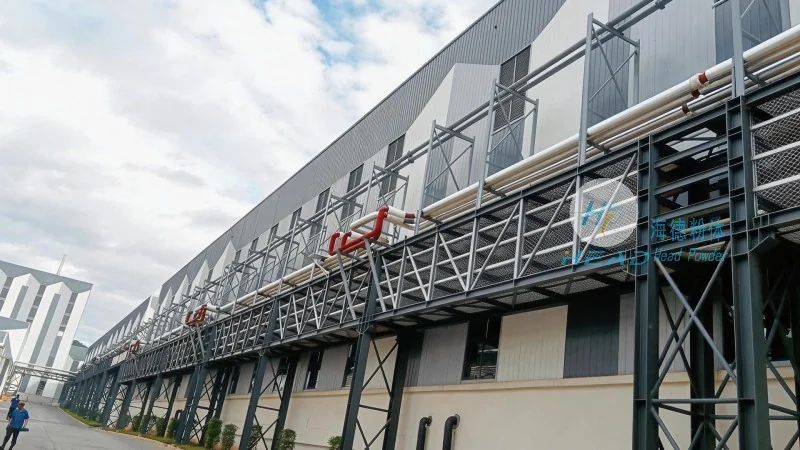
Pneumatic conveying systems use air or other gases to transport bread flour through a network of pipes. This method is highly versatile, capable of handling both fine and coarse flour, and can transport materials over longer distances compared to screw conveyors. There are two main types: pressure and vacuum systems. Pressure systems push the flour using compressed air, while vacuum systems draw it in using a vacuum pump. Pneumatic conveyors offer advantages such as minimal product degradation, as the flour is not in direct contact with metal parts, and the ability to transport flour in a closed system, reducing dust and contamination risks. However, they require higher energy input and may be more complex to install and maintain, especially for large-scale operations. The system's performance is also dependent on the flour's moisture content and particle size.
3. Belt Conveyors: The High-Capacity Solution

Belt conveyors are ideal for high-volume flour transport, especially in large-scale production facilities. These systems use a continuous belt that moves the flour along a fixed path, often with multiple sections and inclines. Belt conveyors can handle a wide range of flour types and can be integrated with other equipment, such as elevators or feeders, to create a comprehensive material handling system. They are known for their high throughput and reliability, making them suitable for continuous production lines. However, belt conveyors require more space and maintenance compared to other methods, as the belts and pulleys need regular inspection and replacement. The risk of product contamination is also higher if the belt material is not properly selected or maintained.
4. Bucket Elevators: The Vertical Transport Expert
For vertical flour transport, bucket elevators are an excellent choice. These systems consist of a vertical or inclined conveyor with buckets attached to a chain or belt, which lifts the flour from a lower to a higher level. Bucket elevators are highly efficient for vertical transport, capable of moving large quantities of flour over significant heights with minimal energy consumption. They are particularly useful in facilities where space is limited or where the flour needs to be elevated to a higher processing level. However, bucket elevators can be more expensive to install and may experience wear and tear on the buckets and chains over time. The design also requires careful consideration to prevent material spillage and ensure smooth operation.
5. Comparison and Selection Criteria
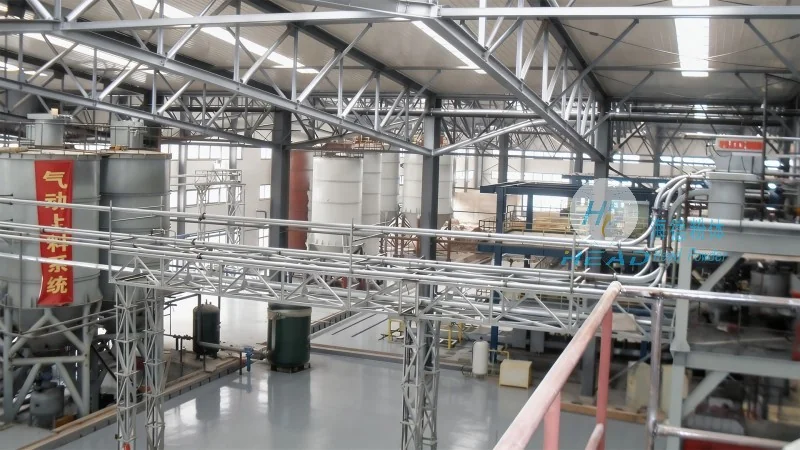
When choosing a bread flour conveying method, several factors should be considered. The first is the volume of flour to be transported, as high-capacity needs may favor belt conveyors or pneumatic systems. The second is the distance and direction of transport—horizontal or vertical—dictating the suitability of screw conveyors, belt conveyors, or bucket elevators. The third is the flour's characteristics, such as moisture content, particle size, and flowability, which can impact the performance of each system. For example, fine or highly moisture-rich flour may require a pneumatic system to avoid clogging, while bulk, dry flour can be efficiently handled by screw or belt conveyors. The operational budget is another critical factor, as some systems, like pneumatic conveyors, have higher energy costs. Finally, the space available in the facility and the need for a closed system to prevent dust contamination should also influence the decision.
Conclusion
Each bread flour conveying method has its strengths and limitations, and the best choice depends on the specific needs of the bakery or flour mill. Shandong HeadPowder Engineering Co., Ltd. offers a range of conveying solutions tailored to these requirements, ensuring that businesses can select the most efficient and cost-effective method for their operations. By understanding the characteristics of each system and considering the key selection criteria, companies can optimize their flour handling processes and improve overall productivity.