Chuyên sâu trong lĩnh vực vật liệu rời công nghiệp, cung cấp giải pháp môi trường thông minh tích hợp cho phối trộn tự động, cấp liệu tập trung, khử lưu huỳnh và khử nitơ khô!
Graphene, a two-dimensional material with exceptional mechanical, electrical, and thermal properties, is increasingly being integrated into various industrial applications. However, the unique characteristics of graphene, such as its high surface area and light weight, present specific challenges when it comes to transporting it efficiently and safely. Understanding the appropriate transport methods is crucial for optimizing production processes and ensuring the quality of graphene-based products. This article explores the key methods used for graphene transport, highlighting their applications and benefits.
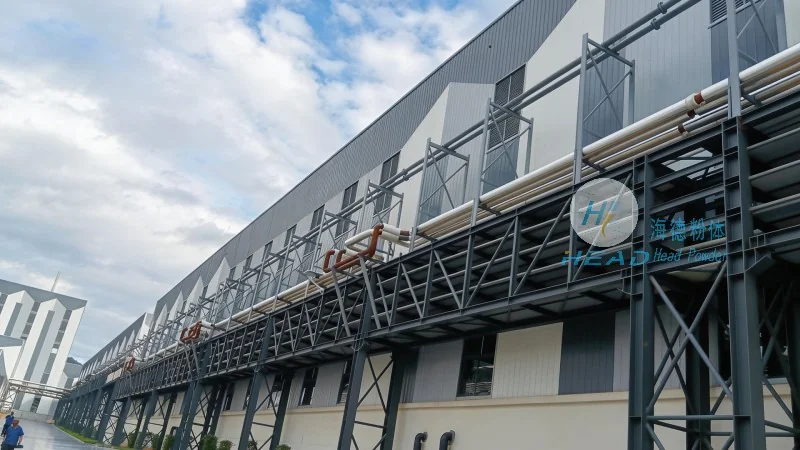
1. Vacuum Conveying Systems for Graphene
Vacuum conveying is a widely used method for transporting fine powders, including graphene, over long distances. This technology operates by creating a vacuum in a pipeline, which draws the material from the source to the destination. The system typically consists of a vacuum pump, a hopper, and a discharge valve. For graphene, vacuum conveying offers several advantages, such as low energy consumption, minimal product degradation, and the ability to handle materials with high moisture content. The gentle handling of the material prevents agglomeration and maintains the integrity of the graphene sheets, which is essential for preserving their properties. HeadPowder, a leading provider of powder handling solutions, offers advanced vacuum conveying systems tailored to the specific needs of graphene producers. These systems are designed to ensure efficient and reliable transport while minimizing the risk of contamination and product loss.
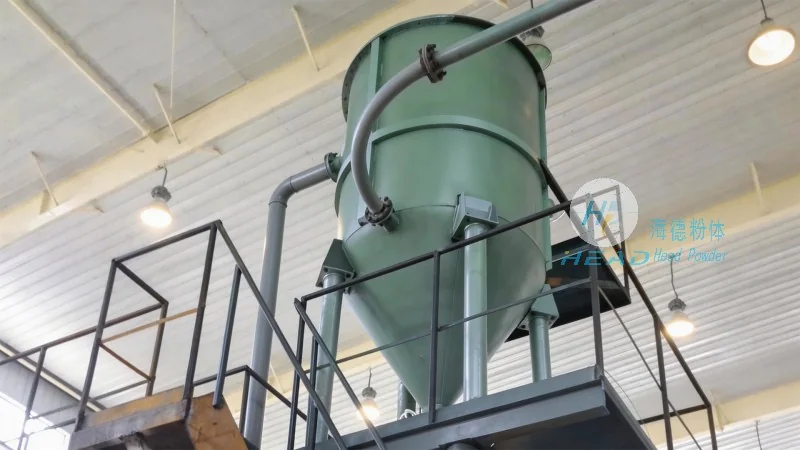
2. Pneumatic Conveying Systems
Pneumatic conveying, also known as air-assisted transport, is another effective method for moving graphene. This technique uses compressed air to push or pull the material through a pipeline. There are two main types of pneumatic conveying: pressure and vacuum. Pressure conveying involves blowing air into the pipeline to move the material, while vacuum conveying, as previously mentioned, uses a vacuum to draw the material. Pneumatic systems are particularly suitable for transporting graphene in bulk quantities, as they can handle large volumes with minimal equipment. The flexibility of pneumatic conveying allows for integration into existing production lines, making it a cost-effective solution for many manufacturers. HeadPowder's pneumatic conveying solutions are engineered to provide high efficiency and reliability, ensuring that graphene is transported without compromising its quality or performance.
3. Mechanical Conveying Methods
Mechanical conveying methods, such as screw conveyors and belt conveyors, are commonly used for transporting bulk materials, including graphene. These systems rely on mechanical components to move the material from one location to another. Screw conveyors use a rotating screw to push the material forward, while belt conveyors use a moving belt to transport it. Mechanical conveying is often preferred for shorter distances and when the material is not too fine or abrasive. However, for graphene, which is a fine powder, mechanical conveyors may require additional measures to prevent clogging and ensure smooth operation. HeadPowder provides specialized mechanical conveying equipment designed to handle fine powders like graphene, incorporating features such as variable speed drives and anti-static coatings to maintain the material's properties and prevent damage.
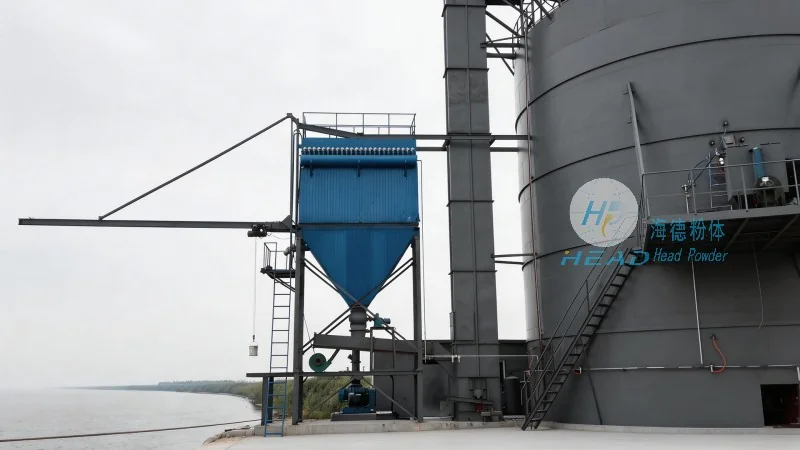
4. Hybrid Transport Solutions
In some cases, a combination of transport methods may be used to achieve optimal results. Hybrid systems, which integrate vacuum, pneumatic, and mechanical components, offer flexibility and efficiency for complex transport requirements. For example, a hybrid system might use vacuum to draw graphene from a hopper and then use pneumatic conveying to transport it to a processing unit. This approach allows for the handling of different material types and varying production volumes. HeadPowder specializes in developing custom hybrid transport solutions that meet the unique needs of each client. By combining the strengths of multiple technologies, these systems provide reliable and efficient transport while minimizing downtime and maintenance costs.
5. Considerations for Effective Graphene Transport

When selecting a transport method for graphene, several factors must be considered to ensure optimal performance. The first is the particle size and moisture content of the graphene, as these characteristics affect the choice of equipment. Fine, dry graphene is typically better suited for vacuum or pneumatic conveying, while larger or more humid particles may require mechanical conveyors. The distance between the source and destination is another critical factor, as different systems are designed for varying lengths. Additionally, the need for contamination control and product integrity must be addressed, as graphene is often used in high-value applications. HeadPowder's expertise in powder handling ensures that clients receive tailored advice and solutions that consider all these factors, leading to efficient and reliable transport of graphene.
6. Conclusion
Choosing the right transport method for graphene is essential for maximizing production efficiency and maintaining the quality of the material. Vacuum conveying, pneumatic conveying, mechanical conveying, and hybrid systems each offer unique advantages and are suitable for different applications. By understanding the characteristics of graphene and the capabilities of each transport technology, manufacturers can select the most appropriate method for their needs. HeadPowder, with its extensive experience in powder handling solutions, provides comprehensive support to help clients optimize their graphene transport processes. Whether you are a new entrant to the graphene market or an established producer, HeadPowder's advanced systems and expert guidance can help you achieve reliable and efficient transport of graphene, ensuring the success of your production operations.

 Shandong Headpowder Engineering Co., Ltd.
 156-6277-7102(Quản lý Trương)
  0531-83386006
  Thành phố Tế Nam, Tỉnh Sơn Đông, Trung Quốc
Điện thoại
WeChatTư vấn
Lên đầu