

Bead Sand Conveying Methods: Exploring Options and Approaches
Bead sand, also known as glass bead or silica sand, is a vital material in numerous industrial applications, including surface finishing, polishing, and protective coating processes. The reliable and efficient transportation of bead sand from storage to processing equipment is crucial for maintaining production efficiency and ensuring product quality. This article examines the primary methods used for conveying bead sand, highlighting the key considerations and technologies involved in each approach.
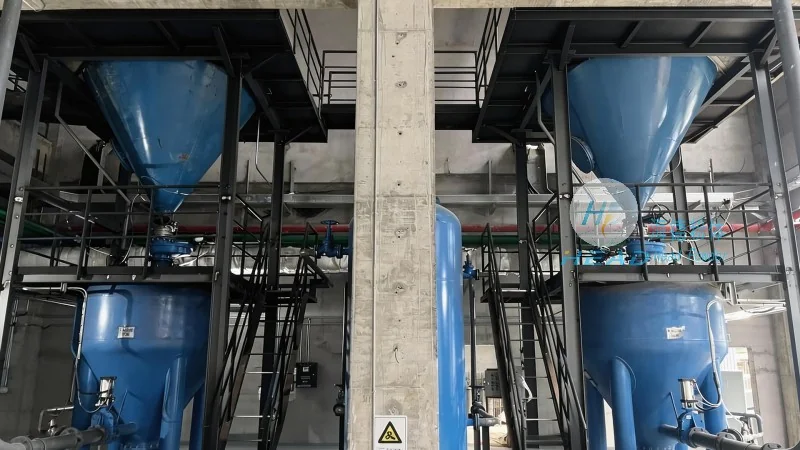
Common Bead Sand Conveying Methods
Several methods are commonly utilized in industrial settings to transport bead sand. Each method offers distinct advantages and is suitable for different operational requirements, such as material characteristics, distance, and environmental conditions. The following sections detail the most prevalent bead sand conveying techniques.
Pneumatic Conveying Systems
Pneumatic conveying is a widely adopted method for transporting bead sand due to its ability to handle fine particles and operate in a closed system, which minimizes dust exposure. This technology uses compressed air to move the material through a network of pipes. There are two main types of pneumatic conveying: pressure and vacuum systems. Pressure systems push the material forward using positive pressure, while vacuum systems draw the material into the system using negative pressure. The choice between these depends on factors like the distance to be covered and the material's density. For instance, in applications requiring long-distance transport, pressure systems are often preferred as they can maintain higher material velocities and reduce the risk of clogging. Companies like Shandong HeadPowder Engineering Co., Ltd. specialize in designing and manufacturing custom pneumatic conveying solutions tailored to specific bead sand characteristics and operational needs.

Bucket Elevators
Bucket elevators are another effective method for vertical or inclined bead sand transport. These systems consist of a continuous belt or chain with attached buckets that scoop material from a hopper and lift it to a higher elevation. The buckets then discharge the material into a discharge chute. Bucket elevators are particularly suitable for handling dry, free-flowing bead sand and can transport materials over significant vertical distances. They are known for their high capacity and relatively low maintenance requirements. However, they may not be ideal for very fine or abrasive bead sand, as the buckets can wear down over time. Proper material selection and regular maintenance are crucial to ensure the longevity and efficiency of bucket elevator systems.
Screw Conveyors
Screw conveyors, also known as auger conveyors, are versatile equipment used for horizontal or slight incline bead sand transport. These systems feature a rotating screw (auger) inside a trough that moves the material forward. Screw conveyors are effective for handling dry, granular materials like bead sand and can be used in both closed and open systems. They are particularly useful for applications requiring moderate material flow rates and relatively short transport distances. The design of the screw, including its pitch and diameter, can be adjusted to optimize material handling performance. For example, a larger pitch screw may be used for lighter materials, while a smaller pitch is suitable for denser bead sand. Screw conveyors are also relatively simple to install and maintain, making them a popular choice in many industrial settings.
Pneumatic and Mechanical Combination Systems
In some cases, a combination of pneumatic and mechanical conveying methods is employed to address specific challenges. For instance, a pneumatic system might be used to transport bead sand over a long horizontal distance, while a screw conveyor or bucket elevator handles the vertical or final stage of the process. This hybrid approach leverages the strengths of both technologies, ensuring efficient and reliable material movement. Such systems are often used in large-scale bead sand processing facilities where multiple processing stages are involved. The integration of these systems requires careful planning and engineering to ensure smooth operation and minimal downtime.

Factors Influencing Bead Sand Conveying Method Selection
The choice of bead sand conveying method depends on several factors, including the physical properties of the material, the distance and elevation changes, the required flow rate, and the environmental considerations. Material characteristics such as particle size, density, and abrasiveness play a significant role. For example, very fine bead sand may require a more gentle conveying method to prevent clogging or damage to the equipment. Similarly, abrasive bead sand may necessitate the use of wear-resistant materials in the conveyor components to extend their lifespan. The distance to be covered also impacts the method selection; shorter distances may allow for simpler systems like screw conveyors, while longer distances may require more robust pneumatic systems. Additionally, the need for dust control and environmental compliance can influence the choice, as some methods, like closed pneumatic systems, offer better containment compared to open screw conveyors.
Conclusion
Efficient bead sand conveying is a critical aspect of industrial operations, directly impacting production efficiency and product quality. By understanding the various conveying methods and their applications, industries can select the most suitable approach for their specific needs. Companies like Shandong HeadPowder Engineering Co., Ltd. provide expertise and customized solutions to help clients optimize their bead sand handling processes. Whether through pneumatic systems, bucket elevators, or screw conveyors, the right conveying method ensures smooth material flow and contributes to overall operational success.