Chuyên sâu trong lĩnh vực vật liệu rời công nghiệp, cung cấp giải pháp môi trường thông minh tích hợp cho phối trộn tự động, cấp liệu tập trung, khử lưu huỳnh và khử nitơ khô!
When it comes to handling fine light sand in industrial applications, selecting the right conveying method is crucial for efficiency and reliability. The choice of conveying system can significantly impact production processes, material handling costs, and overall operational performance. In this article, we explore the various types of fine light sand conveying methods offered by Shandong HeadPowder Engineering Co., Ltd., a leading provider in the field.

1. Pneumatic Conveying Systems
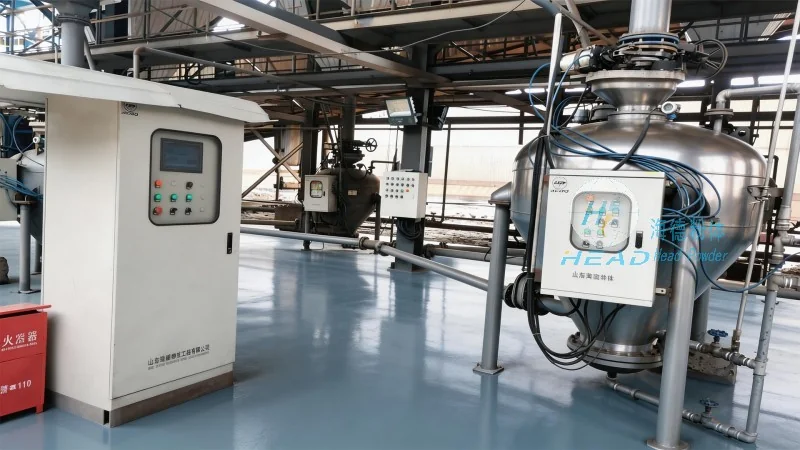
Pneumatic conveying is a widely used method for transporting fine light sand due to its ability to handle materials with low bulk density and high dust content. This system utilizes compressed air to move the sand through a pipeline network. There are two main types of pneumatic conveying: pressure and vacuum systems. Pressure systems use positive pressure to push the material forward, while vacuum systems use negative pressure to pull the material. The choice between these depends on factors such as the distance to be covered, the volume of material, and the need for dust control. Pneumatic conveying offers advantages like low maintenance, flexibility in layout, and the ability to transport materials over long distances without the need for multiple transfer points. However, it may require higher energy consumption compared to other methods, especially for long-distance or high-volume applications.
2. Screw Conveyors
Screw conveyors, also known as auger conveyors, are another effective method for conveying fine light sand. These systems consist of a rotating screw blade (auger) inside a trough or tube. The screw rotates, pushing the material forward along the length of the conveyor. Screw conveyors are particularly suitable for materials with moderate bulk density and are commonly used in applications where the material needs to be elevated or moved horizontally. They are known for their simplicity, low cost, and ability to handle a wide range of materials, including those with some moisture content. However, screw conveyors may not be suitable for very fine or powdery materials that could cause clogging or excessive wear on the screw and trough. Additionally, they are generally limited to shorter distances and lower capacities compared to pneumatic systems.
3. Belt Conveyors
Belt conveyors are a versatile and widely adopted method for transporting fine light sand, especially in bulk material handling operations. These systems use a continuous belt that moves over rollers or pulleys to transport the material. The belt can be made of various materials, such as rubber or synthetic fabrics, depending on the characteristics of the sand and the operating environment. Belt conveyors are suitable for both horizontal and inclined transport, allowing for the movement of sand over long distances with minimal maintenance. They are particularly effective for handling large volumes of material and can be integrated with other equipment, such as feeders or elevators, to form a complete material handling system. The main advantages of belt conveyors include high capacity, low power consumption, and the ability to handle abrasive materials without significant wear. However, they may require more space compared to other methods and can be susceptible to material buildup or belt slip if not properly maintained.
4. Bucket Elevators

Bucket elevators are an efficient method for vertically transporting fine light sand, often used in applications where the material needs to be lifted to a higher level. These systems consist of a continuous chain with buckets attached, which moves the sand upward as the chain rotates. The buckets scoop the material at the bottom and discharge it at the top, allowing for vertical transport without the need for additional equipment. Bucket elevators are known for their high capacity and ability to handle abrasive materials, making them suitable for heavy-duty applications. They are also relatively compact and can be installed in tight spaces, which is beneficial in industrial settings where space is limited. However, bucket elevators may require more maintenance than other systems, as the buckets and chains are subject to wear and tear from the material being conveyed. Additionally, they are generally limited to vertical transport and may not be suitable for horizontal or inclined movement.
5. Hydraulic Conveying
Hydraulic conveying is a less common but effective method for transporting fine light sand, particularly in applications where the material is highly abrasive or has a high moisture content. This system uses a liquid medium, typically water or a mixture of water and additives, to move the sand through a pipeline. The liquid creates a slurry that is pumped through the system, carrying the sand along with it. Hydraulic conveying offers advantages such as the ability to handle materials with high bulk density and abrasive properties, as well as the potential for lower energy consumption compared to pneumatic systems. However, it may require more complex equipment and maintenance, as the system must be designed to handle the liquid and prevent clogging or corrosion. Additionally, the disposal of the liquid slurry after use may require additional treatment, which can increase operational costs.
6. Vibrating Conveyors
Vibrating conveyors are a specialized method for transporting fine light sand, especially in applications where the material needs to be moved gently or without excessive impact. These systems use a vibrating mechanism to move the material along a trough or conveyor bed. The vibration causes the material to move forward in a controlled manner, reducing the risk of material degradation or segregation. Vibrating conveyors are particularly suitable for handling delicate or sensitive materials, such as those with a high moisture content or those that are prone to caking. They are also effective for transporting materials over long distances with minimal maintenance. The main advantages of vibrating conveyors include low noise levels, gentle material handling, and the ability to handle a wide range of materials. However, they may not be suitable for very fine or powdery materials that could cause excessive vibration or wear on the system components. Additionally, the design and installation of vibrating conveyors require careful consideration to ensure optimal performance.

 Shandong Headpowder Engineering Co., Ltd.
 156-6277-7102(Quản lý Trương)
  0531-83386006
  Thành phố Tế Nam, Tỉnh Sơn Đông, Trung Quốc
Điện thoại
WeChatTư vấn
Lên đầu