Chuyên sâu trong lĩnh vực vật liệu rời công nghiệp, cung cấp giải pháp môi trường thông minh tích hợp cho phối trộn tự động, cấp liệu tập trung, khử lưu huỳnh và khử nitơ khô!
When it comes to handling tungsten carbide, the choice of conveying method can significantly impact operational efficiency, material integrity, and overall production costs. Tungsten carbide is a high-value material used in various industries, including tool manufacturing, aerospace, and wear-resistant components. Therefore, selecting the right conveying system is crucial for maintaining the quality and performance of the material during transport. This article explores common tungsten carbide conveying methods and highlights the advantages and features of HeadPowder's pneumatic conveying solutions.
Common Tungsten Carbide Conveying Methods
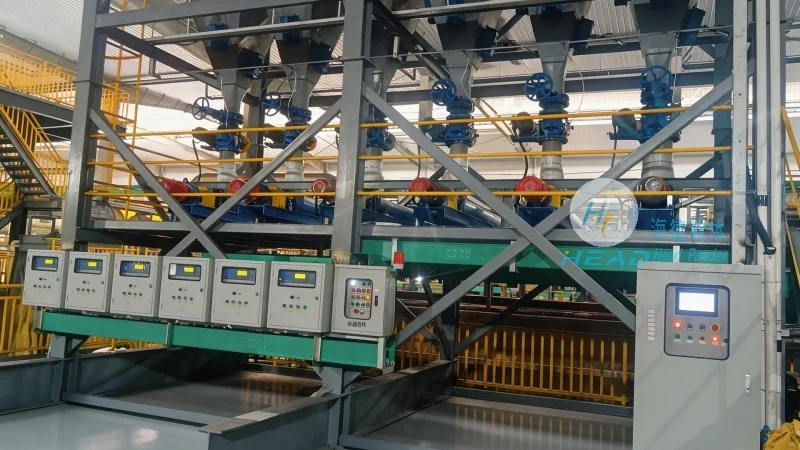
Several methods are commonly used for transporting tungsten carbide, each with its own set of advantages and limitations. The primary methods include:
Gravity Conveying: This method relies on the natural force of gravity to move material from a higher to a lower elevation. It is often used for short distances and when the material has a relatively high density. However, gravity conveying is limited by the slope required and may not be suitable for long distances or when the material needs to be moved vertically.
Pneumatic Conveying: Also known as air conveying, this method uses compressed air to transport material through a pipeline. It is widely used for fine powders and granules, including tungsten carbide. Pneumatic conveying offers flexibility in terms of distance and direction, and it can handle both dry and wet materials. However, it requires careful control of air pressure and flow rates to prevent material degradation or blockages.
Mechanical Conveying: This includes methods such as screw conveyors, belt conveyors, and bucket elevators. Mechanical conveyors are effective for bulk materials and can handle larger particles. They are often used in industrial settings where high throughput is required. However, mechanical conveyors may cause more wear and tear on the material and require regular maintenance.
Vacuum Conveying: Similar to pneumatic conveying, vacuum conveying uses a vacuum to draw material into a pipeline. It is suitable for materials that are light or have low bulk density. Vacuum conveying is often used for fine powders and can be more energy-efficient than positive pressure pneumatic conveying. However, it may not be suitable for long distances or when the material is abrasive.
Advantages of HeadPowder's Pneumatic Conveying for Tungsten Carbide
HeadPowder, a leading manufacturer of tungsten carbide products based in Shandong, China, specializes in providing advanced pneumatic conveying systems tailored to the unique needs of tungsten carbide handling. The company's solutions are designed to address the challenges associated with transporting this high-value material while ensuring minimal loss and maximum efficiency.
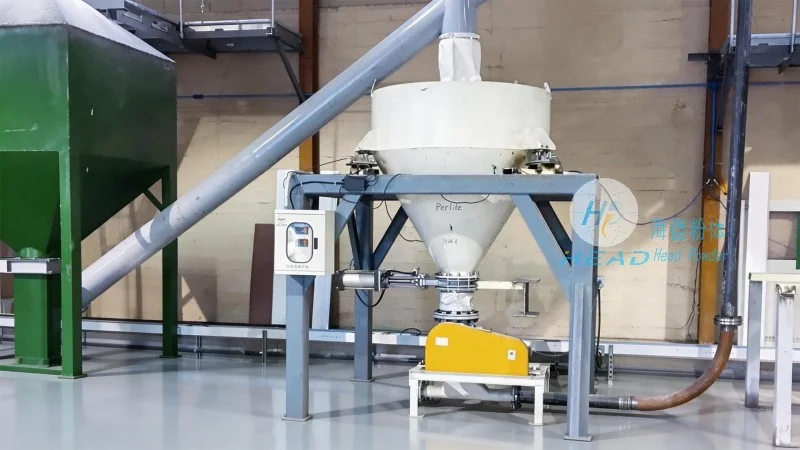
One of the key advantages of HeadPowder's pneumatic conveying systems is their ability to maintain the integrity of the tungsten carbide particles. The systems use low-pressure, low-velocity air to minimize particle attrition and prevent agglomeration. This is crucial for maintaining the material's hardness and wear resistance, which are critical properties for many applications.
Another advantage is the flexibility and scalability of the systems. HeadPowder's pneumatic conveying solutions can be customized to handle various particle sizes, flow rates, and distances. Whether the application requires short-distance transport within a factory or long-distance transport between facilities, the systems can be adjusted to meet the specific requirements. This flexibility makes them suitable for a wide range of industrial applications.
The systems also offer high throughput and reliability. With efficient air flow management and robust pipeline designs, HeadPowder's pneumatic conveyors can handle large volumes of tungsten carbide without frequent maintenance or downtime. This ensures consistent production and reduces operational costs over time.
Furthermore, HeadPowder's pneumatic conveying systems are designed with safety and environmental considerations in mind. The systems use sealed pipelines to prevent dust emissions and protect the environment. They also incorporate features such as pressure relief valves and emergency shut-off mechanisms to ensure safe operation. This makes them compliant with industrial safety standards and regulations.
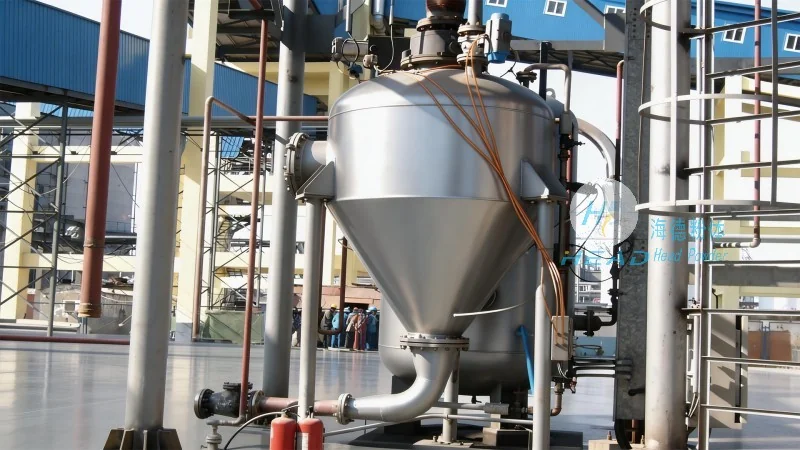
Key Features of HeadPowder's Pneumatic Conveying Solutions
HeadPowder's pneumatic conveying solutions are equipped with several key features that enhance their performance and usability. These features include:
Customizable Pipeline Systems: The company offers a range of pipeline materials and configurations, including stainless steel, aluminum, and plastic, to suit different material properties and environmental conditions. The pipelines are designed to minimize friction and wear, ensuring long service life.
Advanced Air Control Systems: HeadPowder's systems use sophisticated air control mechanisms to regulate pressure, flow rate, and direction. This allows for precise control over the material transport process, reducing the risk of blockages and ensuring consistent performance.
Integrated Cleaning and Maintenance: The systems include features such as automatic cleaning cycles and easy access points for maintenance. This reduces downtime and ensures that the conveyors remain in optimal condition.
Energy Efficiency: By optimizing air flow and using energy-efficient motors, HeadPowder's pneumatic conveying systems minimize energy consumption while maintaining high performance. This helps reduce operational costs and environmental impact.
Conclusion
Choosing the right conveying method for tungsten carbide is essential for optimizing production processes and maintaining material quality. While several methods are available, pneumatic conveying offers significant advantages in terms of flexibility, material integrity, and efficiency. HeadPowder's pneumatic conveying solutions provide a reliable and effective way to transport tungsten carbide, ensuring that the material reaches its destination in optimal condition. With their advanced features and customization options, these systems are ideal for industries that require high-quality handling of tungsten carbide.

 Shandong Headpowder Engineering Co., Ltd.
 156-6277-7102(Quản lý Trương)
  0531-83386006
  Thành phố Tế Nam, Tỉnh Sơn Đông, Trung Quốc
Điện thoại
WeChatTư vấn
Lên đầu