Chuyên sâu trong lĩnh vực vật liệu rời công nghiệp, cung cấp giải pháp môi trường thông minh tích hợp cho phối trộn tự động, cấp liệu tập trung, khử lưu huỳnh và khử nitơ khô!
When designing a pneumatic conveying system for nitrile rubber, it is crucial to consider several key factors to ensure efficiency, reliability, and cost-effectiveness. The system's performance is directly linked to the material's properties, such as its density, particle size, and moisture content, which influence the selection of conveying methods and equipment. A well-designed system can significantly reduce operational costs and minimize downtime by optimizing material handling processes.

About HeadPowder Engineering Co., Ltd.
HeadPowder, a leading provider in the field, specializes in engineering solutions for material handling systems. With a focus on precision and innovation, the company has established itself as a trusted partner for businesses requiring reliable pneumatic conveying solutions. HeadPowder Engineering Co., Ltd. is headquartered in Shandong, China, where it leverages advanced technology and expertise to deliver tailored systems that meet the unique needs of its clients.
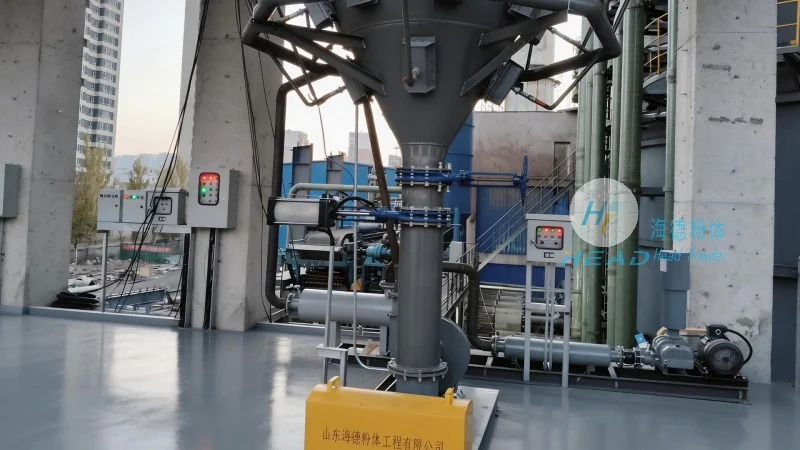
Key Design Considerations for Nitrile Rubber Pneumatic Conveying
The design process begins with a thorough analysis of the material characteristics. Nitrile rubber, known for its excellent resistance to oil and chemicals, requires systems that can handle its specific flow properties. Factors such as the material's bulk density, flowability, and potential for agglomeration must be evaluated to select the appropriate conveying velocity and pressure. The choice between positive and negative pressure systems depends on the application, with positive pressure systems typically used for long-distance or difficult-to-handle materials like nitrile rubber.
Core Components of a Nitrile Rubber Pneumatic Conveying System
A typical system includes several essential components: a hopper or feeder to control material flow, a blower or compressor to generate the conveying air, a pipeline network to transport the material, and a receiver or silo to collect the conveyed material. The hopper design is critical to prevent material bridging or caking, which can disrupt the conveying process. The blower's capacity must match the system's requirements, ensuring sufficient air volume and pressure to move the nitrile rubber particles efficiently. The pipeline layout should minimize bends and restrictions to maintain consistent flow and prevent pressure losses.

Optimization and Maintenance Strategies
Regular maintenance is vital to ensure the long-term performance of the system. This includes checking the blower's performance, cleaning the hopper and pipeline to prevent material buildup, and inspecting the receiver for any signs of blockages. Monitoring system parameters, such as pressure and flow rates, can help identify potential issues early and allow for timely adjustments. By implementing these strategies, businesses can maximize the system's efficiency and extend its operational life.

 Shandong Headpowder Engineering Co., Ltd.
 156-6277-7102(Quản lý Trương)
  0531-83386006
  Thành phố Tế Nam, Tỉnh Sơn Đông, Trung Quốc
Điện thoại
WeChatTư vấn
Lên đầu