

How to Design a Reasonable Tri-metal Material Pneumatic Conveying System Plan
When it comes to handling tri-metal materials, such as those used in lithium-ion battery production, the design of an efficient and reliable pneumatic conveying system is crucial. A well-designed system not only ensures the safe and effective transport of these materials but also minimizes operational costs and maintenance requirements. This article will explore the key considerations and steps involved in creating a comprehensive plan for a tri-metal material pneumatic conveying system, with a focus on the expertise of Shandong HeadPowder Engineering Co., Ltd., a leading provider in the field.
Understanding the Core Requirements of Tri-metal Material Handling
Before diving into the design specifics, it is essential to understand the unique characteristics of tri-metal materials. These materials often include components like nickel, cobalt, and manganese, which are critical in battery manufacturing. The properties of these materials, such as their particle size, density, and moisture content, directly impact the choice of pneumatic conveying technology. For instance, materials with high moisture content may require additional drying steps or specialized equipment to prevent clogging and ensure consistent flow. Similarly, the particle size distribution can influence the selection between dilute-phase and dense-phase conveying systems. A thorough analysis of these material properties is the first step in developing an effective system design.

Key Design Factors for Pneumatic Conveying Systems
Several critical factors must be considered when designing a pneumatic conveying system for tri-metal materials. The first is the system type, which can be categorized into dilute-phase or dense-phase systems. Dilute-phase systems use low air velocity and high air-to-material ratios, making them suitable for materials with low dusting potential and moderate flow rates. Dense-phase systems, on the other hand, operate at higher air velocities and lower air-to-material ratios, ensuring a more controlled and gentle material transport. The choice between these systems depends on the material's characteristics, the distance to be conveyed, and the desired level of material recovery. Another important factor is the system layout, including the number of inlets and outlets, the placement of equipment, and the overall flow path. A well-planned layout minimizes pressure drops and ensures smooth material movement throughout the system. Additionally, the selection of components, such as the air compressor, cyclone separators, and material feeders, is vital. High-quality components from reputable manufacturers, like those offered by HeadPowder, are essential to ensure long-term reliability and performance.
Material Handling Equipment Selection and Integration
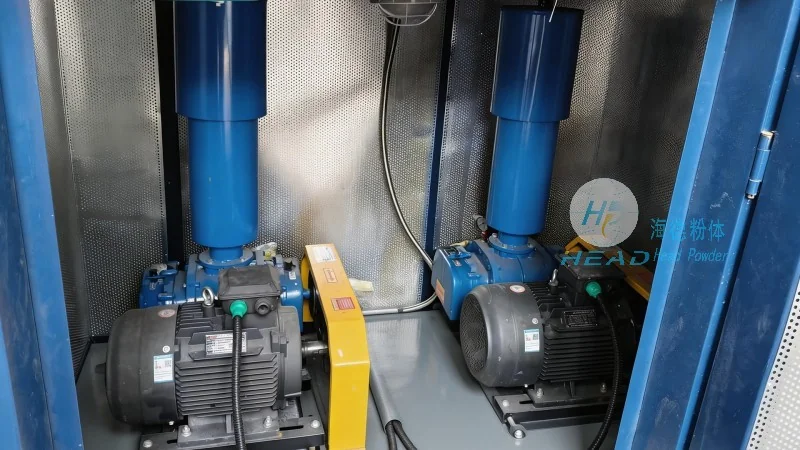
The selection of appropriate material handling equipment is a critical aspect of system design. For tri-metal materials, equipment must be designed to handle abrasive and potentially corrosive materials without causing wear or damage. For example, the material feeders, such as rotary valves or screw conveyors, should be constructed from materials like stainless steel or high-grade alloys to withstand the harsh conditions. The air compressor is another key component, as it must provide sufficient pressure and airflow to meet the system's demands. It is recommended to use oil-free compressors to avoid contaminating the tri-metal materials, which could affect their quality and performance. Cyclone separators and dust collectors are also essential for maintaining air quality and ensuring compliance with environmental regulations. These components must be designed to handle the specific particle size and density of the tri-metal materials, preventing clogging and ensuring efficient separation. The integration of these components into a cohesive system is crucial for optimal performance.
System Sizing and Performance Optimization

System sizing involves determining the appropriate air volume, pressure, and material flow rate to achieve the desired conveying capacity. This requires careful calculations based on the material's properties, the distance to be conveyed, and the system layout. Using software tools or consulting with experienced engineers, such as those at Shandong HeadPowder Engineering Co., Ltd., can help in accurately sizing the system. Performance optimization is another key step, as it involves fine-tuning the system parameters to achieve the best possible efficiency. This may include adjusting the air velocity, modifying the system layout, or upgrading components to improve material recovery and reduce energy consumption. Regular maintenance and monitoring are also essential to ensure the system operates at peak performance. By continuously optimizing the system, operators can maximize productivity while minimizing operational costs.
Case Study: A Successful Tri-metal Material Pneumatic Conveying System Implementation

Shandong HeadPowder Engineering Co., Ltd. has successfully implemented numerous tri-metal material pneumatic conveying systems for clients in the battery industry. One such project involved designing a system to transport nickel, cobalt, and manganese powders from a raw material storage area to a processing plant. The system was designed as a dense-phase conveying system to ensure gentle material handling and minimize degradation. The equipment selected included high-quality stainless steel rotary valves, an oil-free air compressor, and advanced cyclone separators. The system was sized to handle a flow rate of 10 tons per hour over a distance of 50 meters. After implementation, the system achieved high material recovery rates and low energy consumption, significantly improving the client's operational efficiency. This case study highlights the expertise and capabilities of HeadPowder in designing and implementing effective tri-metal material pneumatic conveying systems.
Conclusion and Recommendations
Designing a reasonable tri-metal material pneumatic conveying system requires a comprehensive approach that considers material properties, system design factors, equipment selection, and performance optimization. By following a systematic design process and leveraging the expertise of experienced providers like Shandong HeadPowder Engineering Co., Ltd., companies can develop efficient and reliable systems that meet their specific needs. It is essential to conduct thorough material analysis, select appropriate equipment, and optimize system parameters to achieve the best possible results. Regular maintenance and monitoring are also crucial to ensure long-term system performance. By adhering to these guidelines, businesses can enhance their material handling processes, reduce costs, and improve overall productivity.