

How to Choose the Right Pneumatic Conveying System for High-Temperature Ash Handling Processes?
High-temperature ash handling is a critical process in industrial applications, particularly in power generation and waste management sectors. The efficient and safe transport of hot ash from combustion processes to disposal or reclamation sites is essential for operational continuity and environmental compliance. Pneumatic conveying systems have emerged as a preferred solution due to their ability to handle abrasive, corrosive, and high-temperature materials with minimal wear and reduced environmental impact. However, selecting the appropriate system requires a thorough understanding of material characteristics, operational requirements, and system performance criteria.
Key Considerations for Selecting a Pneumatic Conveying System
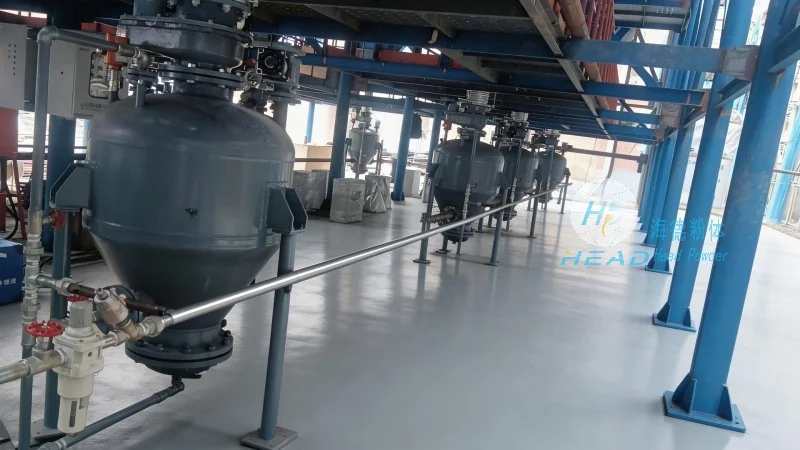
When selecting a pneumatic conveying system for high-temperature ash handling, several critical factors must be evaluated to ensure optimal performance and safety. The first consideration is the material's thermal properties, as high-temperature ash often operates within a temperature range of 200 to 800 degrees Celsius. This extreme heat requires the system's components, such as pipes, valves, and air handling units, to be constructed from materials that can withstand thermal expansion and corrosion. For example, stainless steel alloys with high chromium and nickel content are commonly used to resist oxidation and maintain structural integrity at elevated temperatures. Additionally, the system's design must account for the ash's particle size distribution, as larger particles may require higher air velocities to ensure proper transport, while smaller particles may be more prone to dust formation and require enhanced filtration. The operational pressure and flow rate must also be matched to the process's throughput, as overloading the system can lead to increased wear and reduced efficiency, while underloading may result in incomplete material transport.
Types of Pneumatic Conveying Systems for High-Temperature Applications
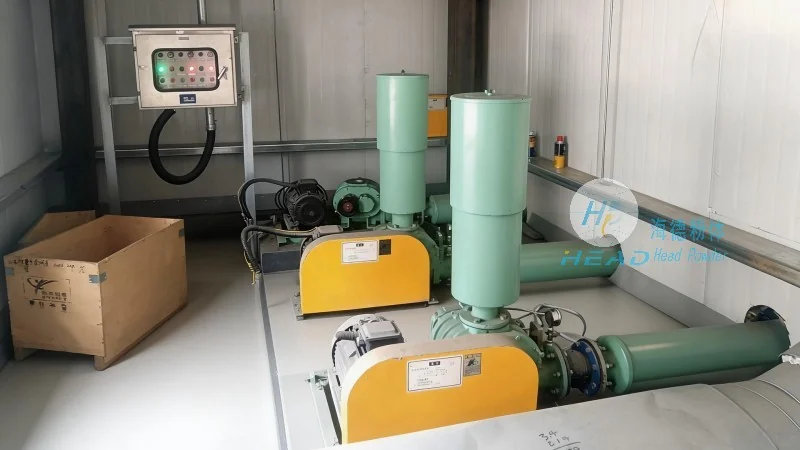
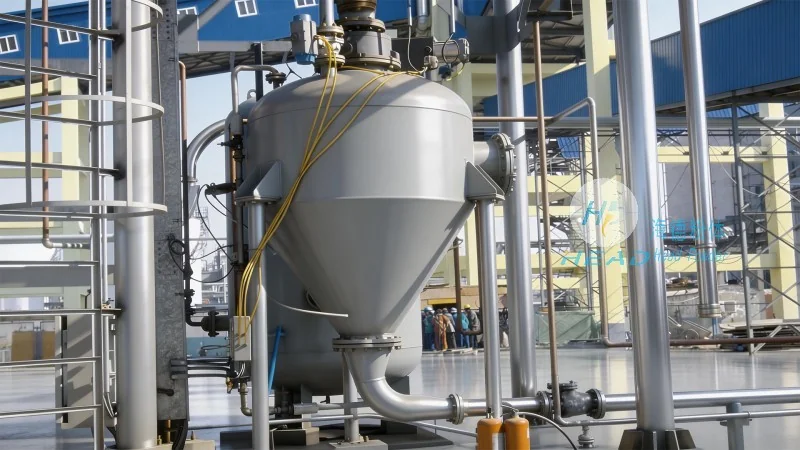
There are two primary types of pneumatic conveying systems: positive pressure and negative pressure. Positive pressure systems, or pressure conveying, utilize a blower or compressor to generate air pressure that propels the material through the system. This method is particularly effective for long-distance transport, such as moving ash from a boiler to a storage silo, and is well-suited for handling abrasive and high-temperature materials. The positive pressure system ensures consistent flow by maintaining a positive pressure throughout the pipeline, reducing the risk of material buildup and ensuring reliable transport. Negative pressure systems, or vacuum conveying, use a vacuum pump to draw material into the system, which is ideal for short-distance transport and applications where dust control is a priority, such as in indoor or enclosed environments. For high-temperature ash handling, positive pressure systems are often preferred due to their ability to handle higher temperatures and larger particle sizes, though vacuum systems may be employed in specific scenarios where dust containment is critical, such as in industrial facilities with strict environmental regulations.
Customization and Engineering Solutions by HeadPowder
Shandong HeadPowder Engineering Co., Ltd., or HeadPowder, specializes in designing and manufacturing customized pneumatic conveying systems tailored to the unique demands of high-temperature ash handling processes. With a focus on material science and engineering expertise, HeadPowder's team of professionals works closely with clients to assess their specific requirements, including ash composition, temperature ranges, and operational constraints. The company employs advanced computational fluid dynamics (CFD) and material testing to simulate system performance and optimize design parameters, ensuring that the final solution meets both functional and safety standards. HeadPowder's systems are constructed using high-quality materials, such as 316L stainless steel and specialized alloys, which are resistant to thermal and chemical degradation, extending the system's service life and reducing maintenance costs. The company also offers modular designs, allowing for easy expansion or modification as operational needs evolve, providing clients with a flexible and long-term solution.

Performance and Maintenance Considerations
The effectiveness of a pneumatic conveying system for high-temperature ash handling is not only determined by its initial design but also by its long-term performance and maintenance. HeadPowder's systems are engineered with features that enhance durability and ease of maintenance, such as wear-resistant liners, self-cleaning filters, and automated control systems. Regular maintenance, including inspections of air compressors, filter elements, and material handling components, is crucial to prevent system downtime and ensure consistent performance. By partnering with HeadPowder, clients gain access to comprehensive maintenance services and technical support, ensuring that their pneumatic conveying system operates at peak efficiency throughout its service life. HeadPowder also provides training programs for facility operators to ensure proper system operation and maintenance, further enhancing the system's reliability and reducing the risk of unexpected failures.