Chuyên sâu trong lĩnh vực vật liệu rời công nghiệp, cung cấp giải pháp môi trường thông minh tích hợp cho phối trộn tự động, cấp liệu tập trung, khử lưu huỳnh và khử nitơ khô!
When designing a sintered dust pneumatic conveying system, several critical factors must be considered to ensure efficiency, reliability, and cost-effectiveness. The process begins with understanding the specific characteristics of the sintered dust, such as particle size, moisture content, and bulk density, as these properties directly impact the choice of system type and components. This guide, presented by Shandong HeadPowder Engineering Co., Ltd. (headpowder), outlines the key steps and considerations for developing a successful system plan.
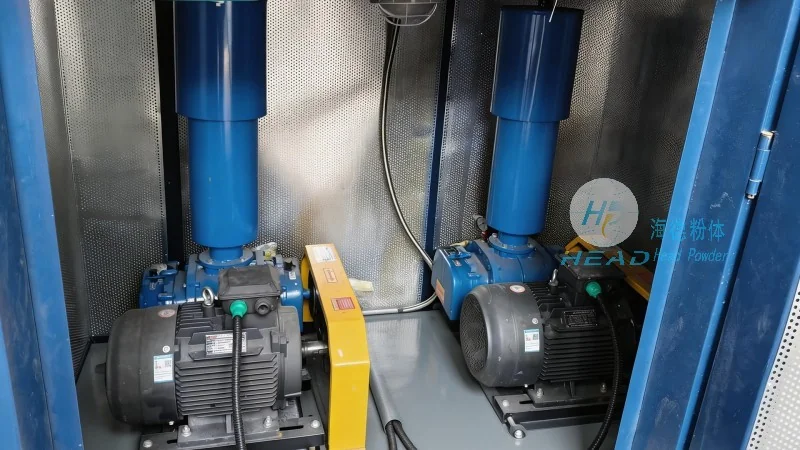
Key Considerations for System Design

First, the selection between positive pressure and negative pressure systems is a fundamental decision. Positive pressure systems, where air is blown into the system to move material, are often preferred for long-distance or high-capacity applications due to their ability to handle abrasive or sticky materials. Conversely, negative pressure systems, which use suction to draw material, are suitable for shorter distances and applications requiring minimal dust emission. The choice depends on the material's properties and the system's operational requirements.
Pipeline Design and Layout
Proper pipeline design is crucial for maintaining system performance. The diameter of the pipeline should be selected based on the material's flow rate and particle size to prevent blockages and ensure smooth material transport. Elbows, bends, and other fittings must be carefully chosen to minimize pressure loss and avoid material accumulation. Additionally, the layout should consider the vertical and horizontal distances between the dust source and the destination, as well as any changes in elevation that may affect the system's pressure requirements.
Equipment Selection and Integration

Key equipment includes the dust collector, conveyor line, and air compressor. The dust collector must be capable of handling the specific dust characteristics, with features like high-efficiency filters and proper maintenance access. The conveyor line, whether positive or negative pressure, should be equipped with appropriate valves and controls to regulate material flow and prevent backflow. The air compressor must provide sufficient air volume and pressure to meet the system's demands, with considerations for energy efficiency and noise reduction.
Material Handling and Safety
Ensuring safe and efficient material handling is paramount. Regular maintenance of all components, including filters, valves, and compressors, is essential to prevent system failures and maintain performance. Additionally, safety measures such as dust suppression systems and proper ventilation should be implemented to protect personnel and the environment from dust exposure. Compliance with local regulations regarding dust emissions and equipment safety is also critical for long-term operational success.
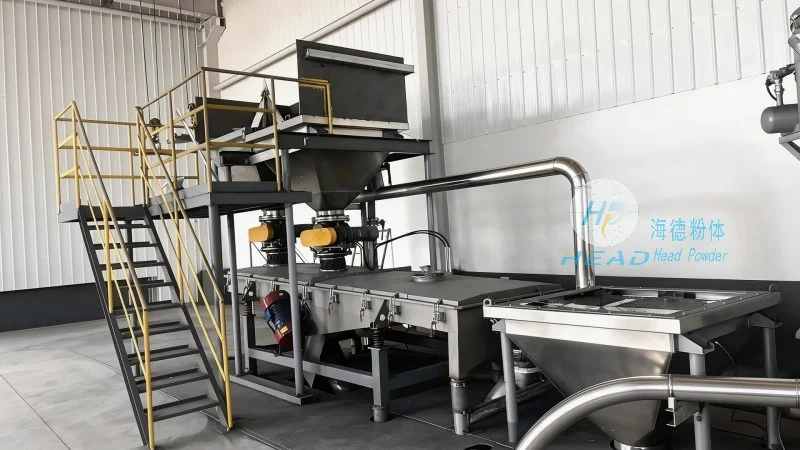
Case Study: Successful Implementation by Shandong HeadPowder Engineering Co., Ltd.
Shandong HeadPowder Engineering Co., Ltd., a leading provider of pneumatic conveying solutions, has successfully designed and implemented numerous sintered dust systems for industrial clients. By leveraging their expertise in material handling and system design, they have helped clients optimize their operations, reduce downtime, and improve overall efficiency. Their approach involves a thorough analysis of the client's specific needs, followed by the selection of the most appropriate system components and layout. This tailored approach ensures that each system is customized to meet the unique requirements of the application, resulting in reliable and effective performance.

 Shandong Headpowder Engineering Co., Ltd.
 156-6277-7102(Quản lý Trương)
  0531-83386006
  Thành phố Tế Nam, Tỉnh Sơn Đông, Trung Quốc
Điện thoại
WeChatTư vấn
Lên đầu