

How to Design a Reasonable Corn Flour Pneumatic Conveying System Plan?
Efficient and reliable corn flour pneumatic conveying systems are crucial for modern food processing and material handling operations. The design of such systems requires a comprehensive understanding of material properties, operational requirements, and the latest engineering principles to ensure optimal performance, safety, and cost-effectiveness.
Understanding the Core Requirements for Corn Flour Pneumatic Conveying
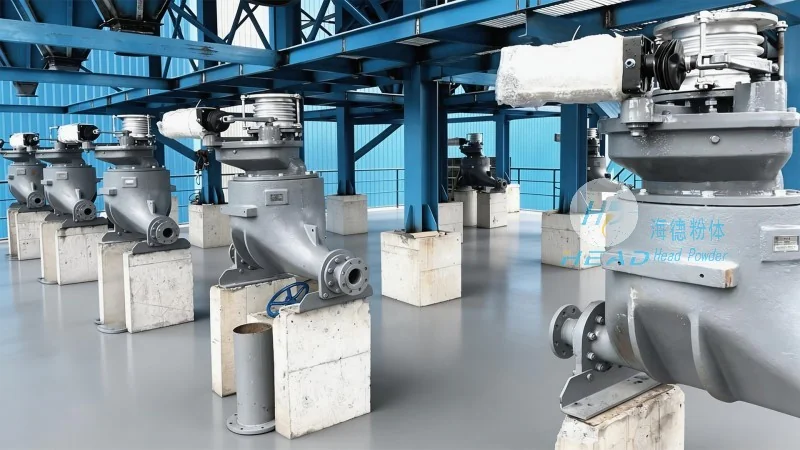
Before initiating the design process, it is essential to define the specific needs of the corn flour handling application. Factors such as the bulk density of the material, moisture content, particle size distribution, and the desired conveying distance and capacity must be carefully evaluated. These parameters directly influence the selection of the appropriate conveying method—whether it be dilute phase, dense phase, or a hybrid approach—and the corresponding equipment specifications.
Key Design Considerations for a Reliable System
Several critical factors must be addressed during the system design phase to ensure the corn flour pneumatic conveying system operates efficiently and safely. First, the choice of air velocity and pressure is paramount. High air velocities can lead to increased energy consumption and potential material degradation, while insufficient velocities may cause blockages or reduced conveying efficiency. The system must also account for the potential for dust explosion hazards, necessitating proper explosion-proof designs and dust collection systems. Additionally, the selection of appropriate pipeline materials, such as stainless steel or special coatings, is vital to prevent corrosion and contamination of the corn flour.
HeadPowder's Expertise in Corn Flour Pneumatic Conveying Solutions
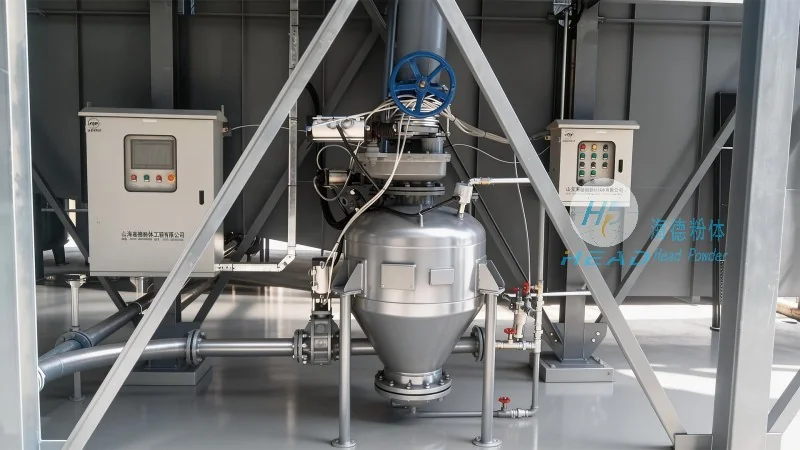
Shandong HeadPowder Engineering Co., Ltd., a leading provider of specialized engineering solutions, brings extensive experience and technical expertise to the design and implementation of corn flour pneumatic conveying systems. With a focus on tailored solutions that meet the unique demands of food processing industries, HeadPowder leverages advanced engineering principles and industry best practices to deliver systems that enhance productivity, maintain product quality, and ensure compliance with safety standards. The company’s team of skilled engineers works closely with clients to analyze operational requirements, assess existing infrastructure, and propose optimized system configurations that balance performance, cost, and reliability.
Addressing Common Challenges in Corn Flour Handling
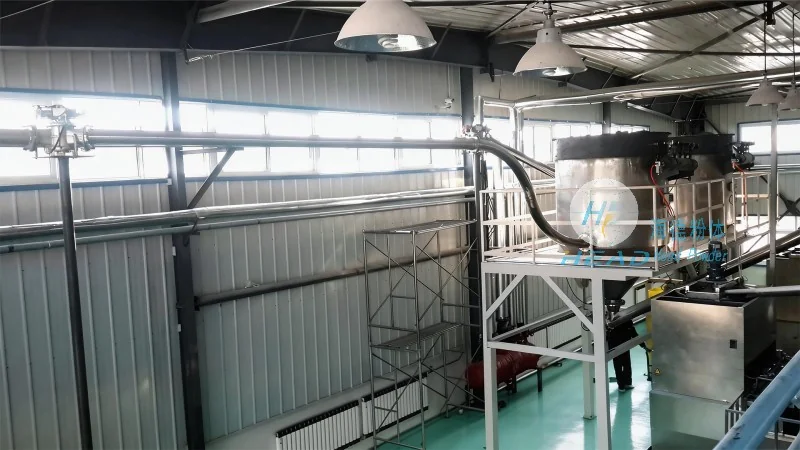
Handling corn flour presents unique challenges due to its fine particle size and potential for dust accumulation. Common issues include material bridging, caking, and blockages in pipelines, which can significantly impact system efficiency. To mitigate these challenges, HeadPowder incorporates advanced features such as pulse jet cleaning systems, rotary airlocks, and air classifiers into their designs. These components help maintain consistent flow rates, prevent material buildup, and ensure the system operates smoothly over extended periods. Furthermore, the company’s expertise in material flow analysis and simulation allows for the prediction and prevention of potential operational issues, reducing downtime and maintenance costs.
Ensuring Compliance and Long-Term Reliability
Compliance with industry regulations and standards is a top priority for HeadPowder when designing corn flour pneumatic conveying systems. The company adheres to strict safety and hygiene guidelines, ensuring that all equipment is constructed from food-grade materials and meets international standards for dust explosion prevention. Additionally, the systems are designed for easy maintenance and cleaning, with features like CIP (Clean-In-Place) compatibility to maintain sanitary conditions. By prioritizing long-term reliability and operational efficiency, HeadPowder’s solutions help clients achieve consistent performance and minimize the risk of system failures or product contamination.