Chuyên sâu trong lĩnh vực vật liệu rời công nghiệp, cung cấp giải pháp môi trường thông minh tích hợp cho phối trộn tự động, cấp liệu tập trung, khử lưu huỳnh và khử nitơ khô!
Designing an efficient and reliable corn kernel pneumatic conveying system is crucial for optimizing material handling in agricultural and food processing operations. A well-planned system ensures minimal product damage, consistent flow rates, and reduced operational costs. This guide outlines key considerations and best practices for developing a rational corn kernel pneumatic conveying system, with insights from Shandong HeadPowder Engineering Co., Ltd., a leading provider in the field.

Understanding the Core Components of Corn Kernel Pneumatic Conveying Systems
A corn kernel pneumatic conveying system typically consists of several critical components that work in tandem to transport materials. The primary elements include a hopper or storage silo for material storage, a feeder to control the flow rate, a conveying line (usually made of metal or flexible tubing), a blower or air compressor to generate the necessary airflow, and a discharge point for the material. Each component must be carefully selected and sized to match the specific characteristics of the corn kernels, such as size, density, and moisture content, as well as the required conveying distance and throughput.
Key Design Factors for Optimal Performance
Several factors influence the effectiveness of a corn kernel pneumatic conveying system. The first is the type of conveying system—either dense-phase or dilute-phase. Dense-phase systems use higher air velocities and lower material concentrations to minimize particle breakage, making them ideal for delicate corn kernels. Dilute-phase systems, on the other hand, use lower velocities and higher concentrations, which are more suitable for bulk materials but may cause more wear on equipment. The choice between these systems depends on the specific application and the desired level of product integrity. Another critical factor is the conveying distance and elevation change, as these affect the required air pressure and blower capacity. Engineers must calculate the total pressure drop across the system, including friction losses in the line, changes in elevation, and losses at fittings and valves, to ensure the blower can provide sufficient pressure to move the material efficiently.

Material Handling Considerations for Corn Kernels
Corn kernels have unique properties that impact system design. Their irregular shape and varying sizes can lead to blockages or uneven flow if not properly addressed. To mitigate these issues, designers often incorporate features such as vibration feeders, rotary valves, or airlocks to ensure a consistent and smooth material flow. Additionally, the moisture content of the corn kernels is a critical parameter, as higher moisture levels can increase the risk of caking or agglomeration, which can cause system inefficiencies. Proper drying or conditioning of the material before conveying can improve system performance and reduce maintenance needs. The system must also be designed to handle potential variations in kernel size and shape, ensuring that the conveying line and components are compatible with the full range of material characteristics.
Energy Efficiency and Cost-Effectiveness in System Design
Energy consumption is a significant factor in the long-term operation of a pneumatic conveying system. High-efficiency blowers and optimized system design can reduce energy costs and improve overall system performance. Engineers should consider the use of variable frequency drives (VFDs) to adjust air pressure and flow rates based on demand, which can save energy during periods of lower throughput. Additionally, selecting the right material for the conveying line—such as stainless steel or corrosion-resistant tubing—can extend the system's lifespan and reduce maintenance costs. Regular maintenance, including cleaning and inspection of components, is also essential to maintain optimal performance and prevent costly breakdowns. By focusing on energy efficiency and cost-effectiveness, a well-designed system can provide significant returns on investment over its operational life.
Integration with Existing Infrastructure and Scalability
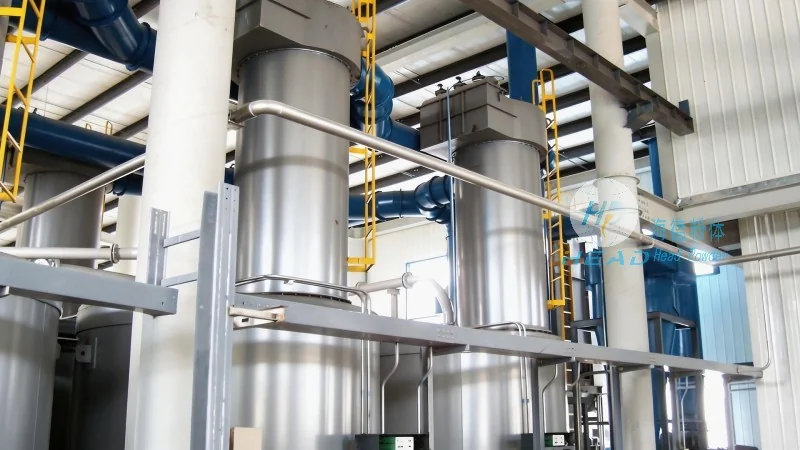
When designing a corn kernel pneumatic conveying system, it is important to consider its integration with existing facilities and future scalability. The system should be compatible with the current storage and processing equipment, minimizing the need for major modifications or additions. Additionally, the design should allow for future expansion, such as increasing the conveying capacity or adding new processing lines, without requiring a complete overhaul of the system. This scalability ensures that the investment in the system remains relevant as the business grows. Engineers should also evaluate the space constraints of the facility and select components that fit within the available footprint, ensuring that the system can be installed and operated without interfering with other operations.
Maintenance and Operational Considerations
Proper maintenance is crucial for the long-term reliability of a corn kernel pneumatic conveying system. Regular inspection of components, such as the blower, conveying line, and valves, can help identify potential issues before they lead to system failure. Cleaning the system, especially after processing different batches of corn kernels, is essential to prevent contamination and maintain product quality. Additionally, monitoring system performance, including pressure, flow rate, and material level, can help detect inefficiencies or blockages early. Training operators on proper system operation and maintenance procedures is also important to ensure that the system is used correctly and efficiently. By implementing a comprehensive maintenance plan, businesses can minimize downtime, reduce repair costs, and extend the lifespan of their pneumatic conveying system.
Conclusion: Partnering with Expert Engineers for System Design
Designing a rational corn kernel pneumatic conveying system requires a deep understanding of material properties, system components, and operational requirements. By considering factors such as conveying type, material handling, energy efficiency, and scalability, engineers can develop a system that meets the specific needs of the application. Shandong HeadPowder Engineering Co., Ltd. specializes in providing customized solutions for corn kernel pneumatic conveying systems, leveraging years of experience and expertise to ensure optimal performance and reliability. With a focus on quality, efficiency, and customer satisfaction, HeadPowder offers comprehensive support from system design to installation and maintenance, helping businesses achieve their material handling goals effectively. Whether you are a new or existing customer, partnering with HeadPowder can help you design and implement a pneumatic conveying system that meets your unique requirements and supports your long-term success.

 Shandong Headpowder Engineering Co., Ltd.
 156-6277-7102(Quản lý Trương)
  0531-83386006
  Thành phố Tế Nam, Tỉnh Sơn Đông, Trung Quốc
Điện thoại
WeChatTư vấn
Lên đầu