

How to Design a Reasonable Maltose Pneumatic Conveying System Plan?
Maltose, a key sugar in the food and beverage industry, requires efficient and reliable material handling solutions for its processing and transportation. Pneumatic conveying systems offer a versatile and effective method to transport maltose and other bulk materials. However, designing a system that is both efficient and cost-effective demands careful consideration of several critical factors. This article outlines the key considerations and steps for designing a reasonable maltose pneumatic conveying system plan, presented by Shandong HeadPowder Engineering Co., Ltd., a leading provider in the field.
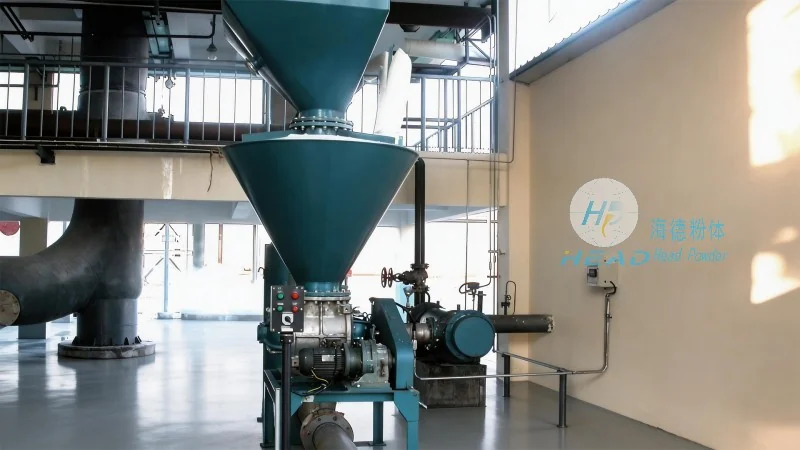
Understanding the Basics of Pneumatic Conveying
Pneumatic conveying systems use air or other gases to transport bulk materials through a pipeline. There are two primary types: positive pressure (or pressure) systems and negative pressure (or vacuum) systems. Positive pressure systems blow air into the system, pushing the material forward, while negative pressure systems create a vacuum to draw material into the system. The choice between these systems depends on the material characteristics, distance, and environmental requirements. For maltose, which is a fine, hygroscopic powder, positive pressure systems are often preferred due to their ability to handle dusty conditions and maintain material integrity.
Key Design Considerations for Maltose Pneumatic Conveying
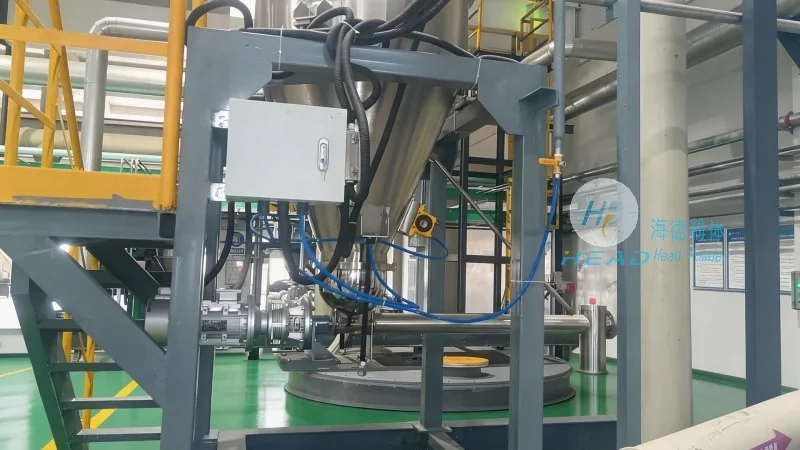
When designing a maltose pneumatic conveying system, several factors must be evaluated to ensure optimal performance and longevity. First, the material's physical properties, such as particle size, density, and flowability, are crucial. Maltose is typically a fine powder with moderate flowability, which affects the system's pressure drop and required air velocity. Second, the conveying distance and elevation changes must be considered. Longer distances or significant vertical lifts may require higher air pressure or additional boosters to maintain material transport. Third, the system's capacity and throughput needs to align with production requirements. HeadPowder engineers assess these parameters to design a system that meets the client's specific production targets without over-engineering, which can lead to unnecessary costs.
System Components and Equipment Selection
A well-designed maltose pneumatic conveying system consists of several key components, each playing a vital role in the overall operation. The primary components include the material feed hopper, which feeds the maltose into the system, the conveyor line (pipeline), the air supply system (blowers or compressors), and the material discharge unit. The feed hopper is designed to minimize material bridging and ensure a consistent flow. The pipeline material, often stainless steel or food-grade plastic, must be resistant to corrosion and easy to clean, especially for food processing applications. The air supply system must provide sufficient pressure and volume to maintain the required air velocity in the pipeline. HeadPowder selects high-efficiency blowers and compressors that are energy-efficient and suitable for handling fine powders like maltose. The discharge unit, such as a rotary valve or a dust collector, ensures that the maltose is released safely and without dust emissions.
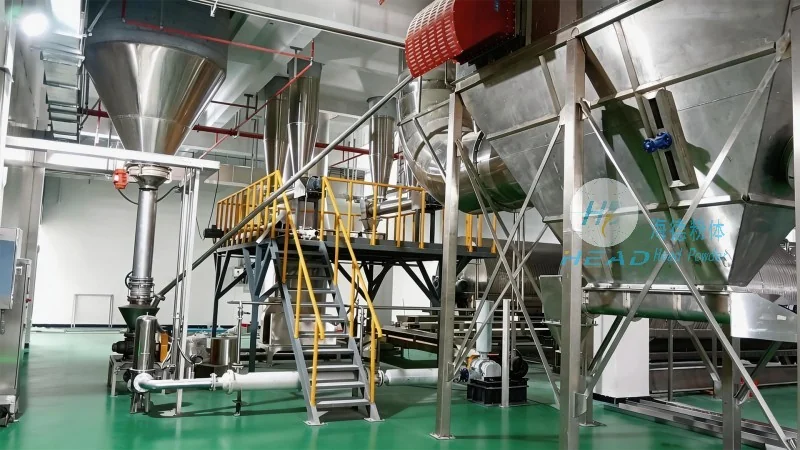
Design Process and Engineering Support from HeadPowder
HeadPowder Engineering Co., Ltd. follows a systematic design process to develop tailored maltose pneumatic conveying solutions. The process begins with a thorough analysis of the client's production requirements, including the volume of maltose to be conveyed, the distance and elevation changes, and any specific operational constraints. Engineers then conduct material testing to determine the optimal air velocity and pressure drop for the system. Using advanced software and computational fluid dynamics (CFD) simulations, HeadPowder models the system to predict performance and identify potential issues before construction. This approach ensures that the final design is efficient, reliable, and cost-effective. HeadPowder's team of experienced engineers provides comprehensive support throughout the project, from initial design to installation and commissioning. They work closely with clients to address any concerns and ensure that the system meets all regulatory and quality standards.
Benefits of a Well-Designed Maltose Pneumatic Conveying System

A properly designed maltose pneumatic conveying system offers numerous benefits for food processing facilities. First, it improves operational efficiency by reducing material handling time and labor costs. The automated system minimizes human intervention, leading to consistent and reliable material transport. Second, it enhances product quality by maintaining the integrity of the maltose powder. Pneumatic systems prevent material contamination and minimize dust exposure, which is critical for food safety. Third, they reduce maintenance costs by using durable components and efficient air handling systems. HeadPowder's systems are built with high-quality materials and components that are designed for long-term performance, minimizing downtime and repair expenses. Finally, the system's energy efficiency contributes to lower operational costs and a smaller environmental footprint.
Conclusion and Contact Information
Designing a reasonable maltose pneumatic conveying system requires a deep understanding of material properties, system dynamics, and operational requirements. Shandong HeadPowder Engineering Co., Ltd. specializes in providing customized solutions that meet the unique needs of maltose processing facilities. By considering factors such as material characteristics, conveying distance, and system components, HeadPowder engineers develop efficient and reliable systems that enhance productivity and product quality. For more information on maltose pneumatic conveying systems or to discuss your specific project requirements, please contact HeadPowder Engineering Co., Ltd., located in Shandong, China.