Chuyên sâu trong lĩnh vực vật liệu rời công nghiệp, cung cấp giải pháp môi trường thông minh tích hợp cho phối trộn tự động, cấp liệu tập trung, khử lưu huỳnh và khử nitơ khô!
When it comes to transporting petroleum coke, the choice of a pneumatic conveying system can significantly impact operational efficiency and cost-effectiveness. A well-designed system ensures smooth material flow, reduces downtime, and enhances overall productivity in industrial settings. This article will explore the key considerations and steps involved in designing a reasonable petroleum coke pneumatic conveying system, with a focus on practical applications and technical insights.
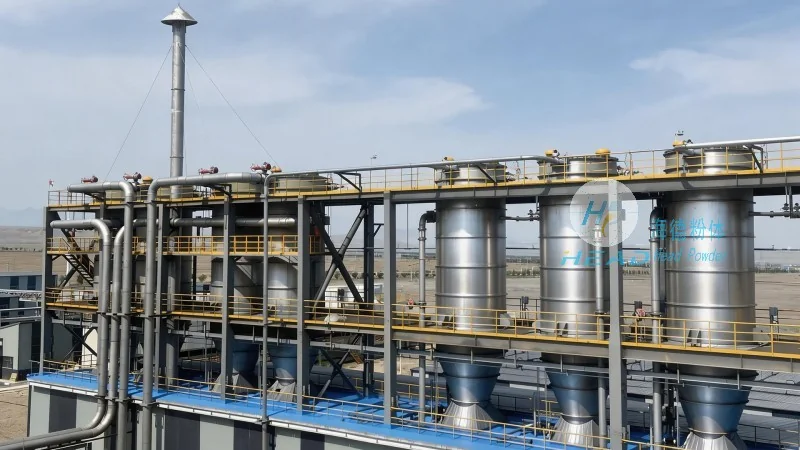
About Shandong HeadPowder Engineering Co., Ltd.
HeadPowder, as the company name suggests, specializes in engineering solutions for material handling systems. With a strong presence in China, particularly in Shandong, the company has built a reputation for delivering high-quality pneumatic conveying systems tailored to the needs of various industrial sectors. Their expertise lies in understanding the unique characteristics of petroleum coke and developing systems that ensure reliable and efficient transportation.
Key Factors in Designing a Petroleum Coke Pneumatic Conveying System
The design of a pneumatic conveying system for petroleum coke requires careful consideration of several critical factors. First, the material properties of petroleum coke, such as its bulk density, particle size distribution, and moisture content, play a crucial role in determining the system's performance. These characteristics affect the air velocity, pressure, and equipment selection. Additionally, the distance and layout of the conveying line, including vertical and horizontal runs, must be accurately assessed to ensure optimal system design.

Types of Pneumatic Conveying Systems for Petroleum Coke
There are primarily two types of pneumatic conveying systems used for petroleum coke: pressure and vacuum systems. Pressure systems use compressed air to push the material through the pipeline, while vacuum systems use a vacuum to pull the material. The choice between these systems depends on factors like the distance to be covered, the amount of material to be conveyed, and the layout of the facility. For long-distance or complex layouts, pressure systems are often preferred due to their higher efficiency and ability to handle larger volumes. Vacuum systems, on the other hand, are suitable for shorter distances and applications where the material needs to be conveyed from multiple sources.
Core Components of a Petroleum Coke Pneumatic Conveying System
A typical pneumatic conveying system for petroleum coke consists of several key components. These include a material feeder, which ensures a consistent flow of petroleum coke into the system; a blower or compressor, which provides the necessary air pressure or vacuum; a pipeline network that transports the material; and a receiver or discharge unit where the material is collected. Each component must be carefully selected and sized to match the specific requirements of the system. For example, the material feeder must be capable of handling the bulk density and flow rate of petroleum coke without causing blockages or uneven flow. The blower or compressor must provide sufficient air volume and pressure to maintain the desired conveying velocity. The pipeline must be appropriately sized and constructed to minimize pressure drop and prevent material deposition.

Step-by-Step Design Process for a Petroleum Coke Pneumatic Conveying System
Designing a pneumatic conveying system involves a systematic approach that ensures all aspects of the system are considered. The first step is to gather detailed information about the material to be conveyed, including its physical properties, flow characteristics, and the required conveying distance and layout. This information is used to determine the appropriate system type and components. Next, the system's capacity and flow rate are calculated based on the material's bulk density and the desired throughput. The air velocity and pressure are then determined to ensure that the material is conveyed efficiently without causing excessive wear on the equipment. The pipeline layout is designed to minimize bends and changes in direction, as these can increase pressure drop and reduce system efficiency. Finally, the system is sized and configured to meet the specific requirements of the application, with considerations for maintenance, safety, and operational flexibility.
Optimizing and Implementing the System
Once the system design is finalized, the next step is to optimize its performance and ensure successful implementation. This involves conducting thorough testing and commissioning to verify that the system meets the required specifications. The system may need to be adjusted during the initial operation to fine-tune the air velocity, pressure, or material flow rate. Regular maintenance is also crucial to ensure the system operates efficiently over time. HeadPowder, with its expertise in material handling systems, can provide guidance on optimizing the system and addressing any issues that may arise during operation. Their team of engineers and technicians can offer support throughout the entire process, from design to installation and maintenance.
Conclusion
Designing a reasonable petroleum coke pneumatic conveying system requires a comprehensive understanding of the material properties, system requirements, and technical considerations. By carefully evaluating these factors and following a systematic design process, industrial facilities can achieve efficient and reliable transportation of petroleum coke. HeadPowder, as a leading engineering company in China, offers specialized solutions tailored to the needs of various industries, ensuring that their pneumatic conveying systems meet the highest standards of performance and durability. With their expertise and commitment to quality, HeadPowder can help clients design and implement effective petroleum coke pneumatic conveying systems that enhance operational efficiency and reduce costs.

 Shandong Headpowder Engineering Co., Ltd.
 156-6277-7102(Quản lý Trương)
  0531-83386006
  Thành phố Tế Nam, Tỉnh Sơn Đông, Trung Quốc
Điện thoại
WeChatTư vấn
Lên đầu