Chuyên sâu trong lĩnh vực vật liệu rời công nghiệp, cung cấp giải pháp môi trường thông minh tích hợp cho phối trộn tự động, cấp liệu tập trung, khử lưu huỳnh và khử nitơ khô!
Phosphate rock powder, a vital raw material in the fertilizer and chemical sectors, demands efficient and reliable transportation methods to sustain smooth production workflows. Pneumatic conveying systems have emerged as a preferred solution for handling such powders due to their capability to transport materials over extended distances, preserve product integrity, and minimize environmental impact. This article provides a comprehensive guide on designing a reasonable phosphate rock powder pneumatic conveying system plan, focusing on key considerations, system components, and practical implementation strategies.
Introduction to Phosphate Rock Powder Pneumatic Conveying Systems
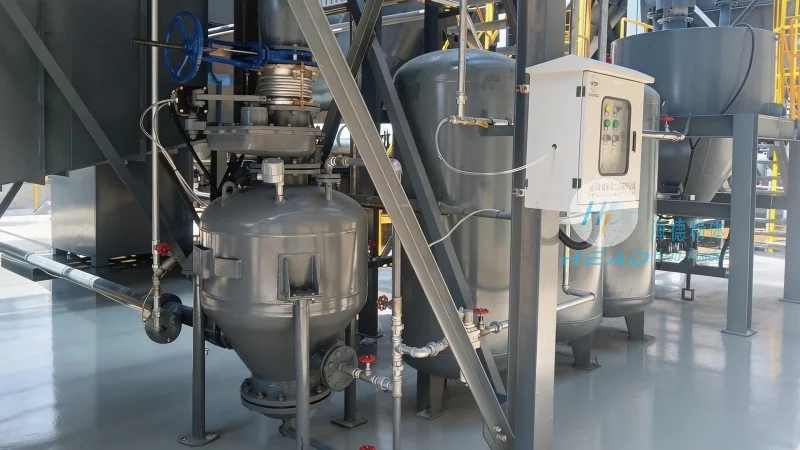
Phosphate rock powder, commonly utilized in the production of phosphoric acid and fertilizers, presents unique challenges during transportation. Traditional methods like belt conveyors or bucket elevators may lead to material degradation, dust generation, and operational inefficiencies. Pneumatic conveying systems, which employ air or gas to transport powders, offer a more controlled and effective solution. These systems are especially suitable for phosphate rock powders because of their fine particle size and potential for dust explosion risks, as they can maintain a closed environment and prevent contamination.
Key Factors in Designing a Phosphate Rock Powder Pneumatic Conveying System
The design of a phosphate rock powder pneumatic conveying system involves several critical factors that must be carefully evaluated to ensure optimal performance and safety. The first consideration is the type of system, which can be categorized into pressure, vacuum, or mixed systems. Pressure systems utilize positive pressure to push the material through the pipeline, while vacuum systems use negative pressure to pull the material. Mixed systems combine both approaches. For phosphate rock powders, pressure systems are often preferred as they provide better control over material flow and can handle higher concentrations.
Another crucial factor is the system's capacity and throughput requirements. The design must account for the desired production rate, typically measured in tons per hour. This determines the size of the conveying pipeline, the air velocity, and the number of conveying lines needed. For instance, a high-capacity system for a large-scale fertilizer plant may require multiple parallel lines to achieve the required throughput.
Material properties are also a key consideration. Phosphate rock powders have specific characteristics such as particle size distribution, moisture content, and flowability. These properties affect the system's design, including the choice of air velocity, which must be high enough to prevent particle settling but low enough to avoid excessive pressure drop and energy consumption. The moisture content is particularly important as it can impact the material's dustiness and potential for caking, requiring appropriate drying or conditioning steps before conveying.
System Components and Their Functions
A phosphate rock powder pneumatic conveying system consists of several key components, each playing a vital role in the overall operation. The primary components include the material feed hopper, the air supply system (blowers or compressors), the conveying pipeline, the separation and collection equipment, and the control system.

The material feed hopper is responsible for storing and feeding the phosphate rock powder into the system. It is designed to maintain a consistent flow rate and prevent material bridging or clogging, which can occur due to the fine particle size and potential for agglomeration. The hopper may include features such as a rotary valve or a star feeder to ensure smooth material discharge.
The air supply system provides the necessary pressure and volume of air to move the material through the pipeline. For pressure systems, high-pressure blowers or compressors are used, while vacuum systems rely on vacuum pumps. The choice of equipment depends on the system's capacity and the required pressure level. The air supply system must also include filtration and drying components to ensure that the air used is clean and dry, preventing contamination of the phosphate rock powder.
The conveying pipeline is the main channel through which the phosphate rock powder is transported. The material is suspended in the air stream and carried along the pipeline. The pipeline design must consider factors such as material compatibility, pressure drop, and maintenance access. Typically, stainless steel or special alloys are used to prevent corrosion from the phosphate rock powder, which may contain acidic components. The pipeline layout should be optimized to minimize bends and changes in direction, as these can cause pressure losses and particle separation.
The separation and collection equipment is used to separate the phosphate rock powder from the air stream at the end of the conveying line. This is typically achieved using cyclone separators or bag filters. Cyclone separators use centrifugal force to separate the particles from the air, while bag filters use fabric bags to trap the particles. The collected powder is then discharged into a storage bin or directly into the next processing stage. The choice of separator depends on the particle size and the required efficiency of the system.
The control system is responsible for monitoring and regulating the operation of the pneumatic conveying system. It includes sensors for measuring pressure, flow rate, and material level, as well as control valves and actuators. The control system ensures that the system operates within safe and efficient parameters, such as maintaining the correct air velocity and pressure, and preventing overloading or underloading of the conveying lines.
Design Considerations for Safety and Environmental Compliance
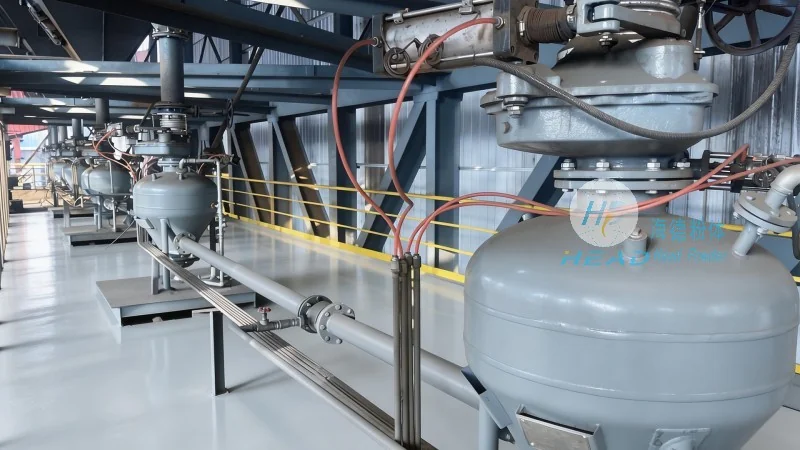
When designing a phosphate rock powder pneumatic conveying system, safety and environmental compliance are paramount. Phosphate rock powders can be hazardous due to their dust explosion potential and potential for respiratory irritation. The system must be designed to minimize dust generation and explosion risks. This includes using explosion-proof equipment, maintaining proper ventilation, and implementing dust collection systems.
Environmental regulations also require that the system minimize emissions and noise pollution. The design should include features such as dust collection and filtration systems to ensure that the air discharged from the system meets environmental standards. Additionally, the system should be designed to reduce energy consumption, as pneumatic conveying systems can be energy-intensive. This can be achieved by optimizing the air velocity, using energy-efficient blowers, and minimizing pressure losses in the pipeline.
Practical Implementation and Maintenance
Implementing a phosphate rock powder pneumatic conveying system requires careful planning and execution. The first step is to conduct a thorough site survey and material analysis to determine the specific requirements of the system. This includes assessing the available space, power supply, and material handling capabilities. The design phase involves selecting the appropriate system components and layout based on the identified requirements.
During the installation phase, the system components are assembled and connected according to the design specifications. This includes installing the conveying pipeline, connecting the air supply and material feed systems, and integrating the control system. The system must be tested and commissioned to ensure that it operates as designed and meets the performance requirements.
Maintenance is a critical aspect of the system's long-term performance. Regular maintenance is required to ensure that the system operates efficiently and safely. This includes cleaning the conveying pipeline and separation equipment, replacing worn parts, and checking the air supply system for any issues. Proper maintenance can extend the system's lifespan and reduce downtime, leading to lower operational costs.
Conclusion
Designing a reasonable phosphate rock powder pneumatic conveying system plan is a complex process that requires careful consideration of various factors, including system type, material properties, and operational requirements. By following a systematic approach and incorporating the right components and design strategies, it is possible to create an efficient and reliable system that meets the needs of the phosphate rock powder industry. The expertise of companies like Shandong HeadPowder Engineering Co., Ltd., with their experience in engineering and manufacturing pneumatic conveying systems, is essential in ensuring that such systems are designed and implemented effectively.

 Shandong Headpowder Engineering Co., Ltd.
 156-6277-7102(Quản lý Trương)
  0531-83386006
  Thành phố Tế Nam, Tỉnh Sơn Đông, Trung Quốc
Điện thoại
WeChatTư vấn
Lên đầu