

How to Design a Reasonable Pepper Pneumatic Conveying System Plan
When it comes to designing an efficient and reliable pneumatic conveying system for pepper, the process requires careful consideration of various factors to ensure optimal performance and cost-effectiveness. As a leading provider in the field, Shandong HeadPowder Engineering Co., Ltd. specializes in developing tailored solutions that meet the unique needs of pepper processing facilities. This article outlines the key steps and considerations for designing a reasonable pepper pneumatic conveying system, emphasizing the importance of selecting the right equipment and system configuration.
Understanding the Core Requirements for Pepper Pneumatic Conveying
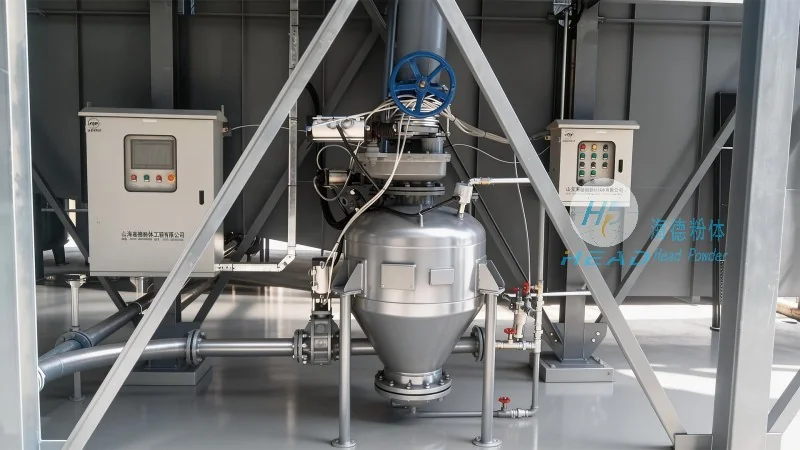
Before diving into the design specifics, it's crucial to understand the fundamental requirements of pepper pneumatic conveying. Pepper, with its unique physical properties such as particle size, moisture content, and flowability, demands a system that can handle these characteristics without compromising on efficiency. The primary goal is to transport pepper from storage to processing areas with minimal loss, reduced contamination, and consistent flow rates. Shandong HeadPowder Engineering Co., Ltd. emphasizes the need to conduct a thorough analysis of the pepper's properties, including its bulk density, abrasiveness, and tendency to agglomerate, as these factors directly impact the system's design and performance.
Key Design Considerations for Pneumatic Conveying Systems
Several critical factors must be addressed during the design phase to ensure a successful pepper pneumatic conveying system. First, the system type—whether it's a pressure or vacuum system—needs to be determined based on the distance, elevation changes, and material handling requirements. Pressure systems are typically used for short to medium distances and vertical lifts, while vacuum systems are more suitable for longer horizontal runs or when the material needs to be drawn from multiple points. The choice of system type directly influences the selection of components such as blowers, cyclones, and filters. Additionally, the material's flowability and potential for bridging or caking must be considered to prevent blockages and ensure smooth operation. Shandong HeadPowder Engineering Co., Ltd. recommends conducting a material flow analysis to identify potential bottlenecks and optimize the system layout.
Component Selection and System Configuration
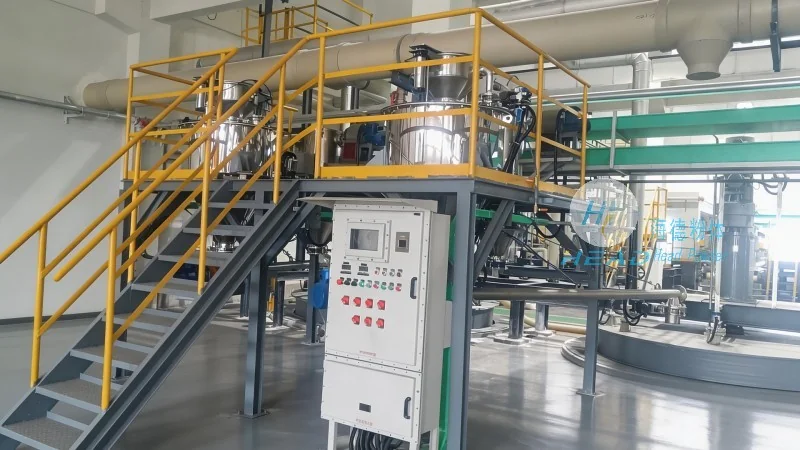
The success of a pepper pneumatic conveying system heavily relies on the proper selection and configuration of its components. The blower or fan is the heart of the system, responsible for generating the necessary airflow and pressure. For pepper, a high-efficiency, low-noise blower is often preferred to minimize energy consumption and maintain a clean working environment. The selection of the blower's capacity and pressure must be based on the system's total pressure drop, which includes losses from the pipeline, bends, and equipment such as cyclones and filters. The pipeline design is another critical aspect, as the diameter and material of the pipes (e.g., stainless steel or PVC) affect the system's efficiency and durability. Properly sized and supported pipelines prevent sagging and ensure consistent airflow. Cyclones are used to separate the pepper from the air stream, and their design must be optimized for the pepper's particle size and density to achieve high separation efficiency. Filters are essential to capture any fine particles and maintain air quality, and their capacity should be matched to the system's airflow rate. Shandong HeadPowder Engineering Co., Ltd. provides comprehensive guidance on component selection, ensuring that each part is chosen to meet the specific demands of pepper handling.
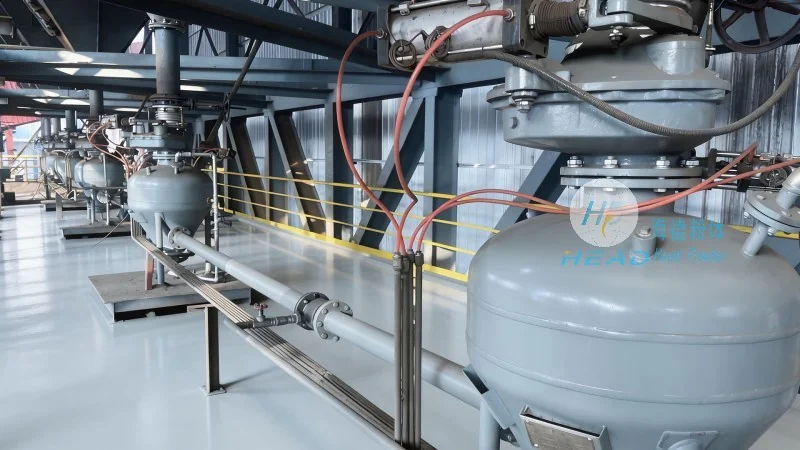
System Sizing and Flow Rate Optimization
Accurate system sizing is vital to prevent over or under-designing the pneumatic conveying system. The flow rate of the pepper must be determined based on the production capacity and processing speed of the facility. Under-sizing the system can lead to reduced throughput and increased pressure drop, while over-sizing can result in unnecessary energy consumption and higher costs. Shandong HeadPowder Engineering Co., Ltd. employs advanced computational fluid dynamics (CFD) and empirical formulas to calculate the required airflow and pressure. This approach ensures that the system operates at its optimal point, balancing efficiency and cost. Additionally, the system's pressure drop must be minimized by using smooth pipes, reducing bends and fittings, and maintaining proper pipe alignment. Proper sizing also involves considering the system's future expansion, allowing for scalability without major modifications.
Integration with Processing Facilities and Safety Measures
A pepper pneumatic conveying system must be seamlessly integrated with the existing processing infrastructure to ensure smooth operation. This includes connecting the system to storage silos, processing lines, and packaging equipment. The integration process requires careful planning to avoid cross-contamination and maintain product quality. Shandong HeadPowder Engineering Co., Ltd. offers expertise in system integration, ensuring that the conveying system works in harmony with other processing equipment. Safety is another critical aspect of system design, as pneumatic conveying systems involve high-pressure air and moving parts. Proper safety measures, such as pressure relief valves, emergency shut-off systems, and regular maintenance schedules, must be implemented to prevent accidents and ensure compliance with industry standards. The company emphasizes the importance of regular inspections and maintenance to prolong the system's lifespan and maintain optimal performance.
Case Study: Successful Pepper Pneumatic Conveying System Implementation
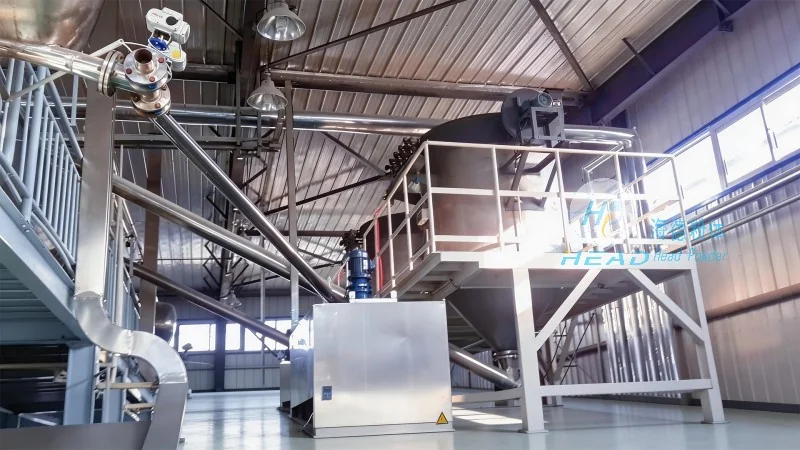
Shandong HeadPowder Engineering Co., Ltd. has successfully implemented numerous pepper pneumatic conveying systems for clients across China. One notable case involved a pepper processing plant in Shandong that required a system to transport 10 tons of pepper per hour from storage to the processing line. The company designed a pressure pneumatic conveying system with a stainless steel pipeline, high-efficiency cyclones, and a low-noise blower. The system was optimized for the pepper's particle size and moisture content, resulting in a high separation efficiency and minimal product loss. The client reported a significant reduction in labor costs and improved processing efficiency, validating the effectiveness of the system design. This case study highlights the importance of tailored solutions and expert engineering in achieving successful pneumatic conveying system performance.
Conclusion and Recommendations
Designing a reasonable pepper pneumatic conveying system requires a comprehensive approach that considers the material's properties, system type, component selection, and integration with processing facilities. Shandong HeadPowder Engineering Co., Ltd. provides end-to-end solutions, from initial analysis to system implementation and maintenance. By adhering to the key design considerations outlined in this article, pepper processing facilities can achieve efficient, reliable, and cost-effective material handling. The company's expertise and commitment to quality ensure that each system is tailored to meet the specific needs of the client, delivering long-term benefits and operational excellence.